Aligning Your Canvas LMS with New Federal Edtech Guidance: A District Strategy Guide
The Department of Education has issued new edtech guidance for states and districts. This article will provide Canvas LMS administrators, instructional designers, and district leaders with actionable strategies to align their Canvas ecosystem, course content, and instructional practices with these new federal recommendations, ensuring compliance and maximizing pedagogical impact.
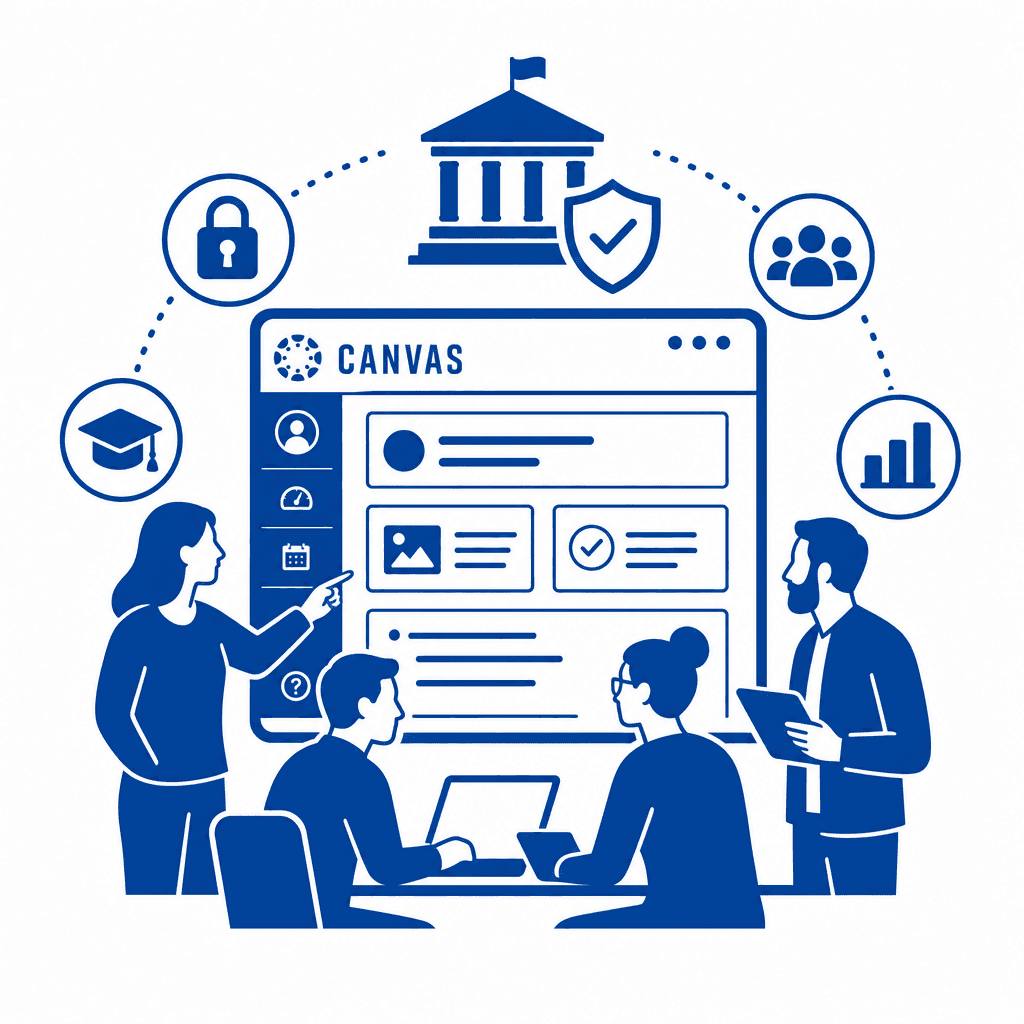
In the rapidly evolving landscape of educational technology, aligning with federal edtech guidance is crucial for effective teaching and learning. This article explores strategies for integrating the Canvas LMS with new guidelines provided by the Department of Education, helping educators enhance instructional practices while ensuring compliance and maximizing educational outcomes.
Understanding Federal Edtech Guidance
Understanding the new federal edtech guidance is crucial for districts aiming to enhance their educational technology landscape. The Department of Education's recent directives focus on key areas such as accessibility, data privacy, and effective technology integration. The intention behind this guidance is to create equitable learning environments that leverage technology to support all students. Accessibility ensures that all learners, including those with disabilities, can access digital content, fostering inclusivity. Data privacy emphasizes the responsible handling of student information, essential in today’s data-driven educational context. Moreover, the guidance encourages a strategic approach to technology integration, calling for districts to utilize tools that genuinely enhance learning outcomes, rather than just implementing technology for its own sake. Adhering to these recommendations is not optional; it is a vital step in promoting educational equity and ensuring that every student has the opportunity to succeed in a technology-rich learning environment. The role of technology in modern classrooms is not just about enhancing engagement, but about providing equal access to quality educational resources, preparing students for the future workforce, and supporting innovative pedagogical practices. A comprehensive understanding of these guidelines enables district leaders and educators to make informed decisions that align their Canvas LMS with federal expectations, ultimately benefiting the entire learning community.
Assessing Your Current Canvas Ecosystem
Assessing your district's existing Canvas LMS setup is crucial to ensure compliance with the new federal edtech guidance. Start with a comprehensive audit of the current course content, instructional practices, and tools utilized within the Canvas environment. Engage in a structured review process by forming a dedicated team of LMS administrators, instructional designers, and selected educators who can provide diverse perspectives. Begin by creating an inventory of all course materials and instructional tools currently deployed in Canvas. Use a checklist based on the new federal guidance to assess each element for accessibility, data privacy, and equitable technology integration. Gather qualitative feedback through surveys, focus groups, or interviews involving both teachers and students. This participatory approach is essential to uncover what works effectively in practice and what may hinder learning experiences. Identify gaps where your current setup diverges from federal recommendations. Look for areas needing enhancement—such as the integration of assistive technologies or the inclusion of diverse pedagogical strategies. This reflective process will lay a strong foundation for aligning your Canvas ecosystem with federal guidelines, ultimately fostering a more inclusive learning environment for all students.
Aligning Course Content with Federal Recommendations
Aligning course content within the Canvas LMS to meet new federal edtech guidance requires intentional strategies focused on inclusivity, accessibility, and the use of adaptive learning technologies. As instructional designers collaborate with educators, they should prioritize integrating Universal Design for Learning (UDL) principles, ensuring all course materials provide multiple means of engagement, representation, and action. To foster collaboration, consider forming interdisciplinary teams that include teachers, administrators, and instructional technology specialists. These teams can co-create resources, share best practices, and develop checklists to review existing course materials against federal recommendations. Engaging stakeholders early in this process encourages buy-in and allows for the incorporation of diverse perspectives and experiences. Incorporating adaptive learning technologies is essential for catering to diverse learner needs. Select tools that align with Canvas and can provide personalized learning pathways. Regularly collect feedback from students and educators on the effectiveness of these technologies to refine processes continuously. Also, establish a review cycle for course content. Regularly scheduled audits will ensure that course materials are not only up to date but also responsive to evolving federal guidelines, maintaining compliance while enriching the learning experience.
Implementing Policy Across the District
To effectively implement district-wide policies reflecting the new federal edtech guidance, district leaders must prioritize clear communication and collaboration among all stakeholders. Establishing benchmarks for compliance, rooted in the federal guidance, will provide a roadmap for educators and administrators alike. It is critical to set specific expectations around technology use and instructional practices within the Canvas LMS, ensuring that all parties understand their roles and responsibilities. Professional development is an essential component of this implementation strategy. District leaders should design ongoing training sessions that not only familiarize educators with the new policies but also cultivate an environment of continuous learning around instructional technology. Workshops, webinars, and peer coaching can help educators feel supported as they adapt their teaching methods and Canvas course content to align with federal expectations. Communication is key in this process; regular updates can be shared through newsletters, staff meetings, and dedicated online platforms within Canvas. Highlighting success stories and showcasing innovative practices can inspire a culture of compliance and enthusiasm for the new guidelines. Ultimately, investing in training and maintaining open lines of communication ensures educators feel equipped to navigate these changes, paving the way for a successful alignment with federal edtech guidance.
Monitoring and Evaluating Success
Monitoring the effectiveness of implementing the new federal edtech guidance within the Canvas LMS is crucial for ensuring that strategies are yielding positive results. Administrators should focus on specific metrics such as student engagement levels, educational outcomes, and teacher feedback as primary indicators of success. Student engagement can be quantified through metrics such as login frequency, interaction with course materials, and participation in discussions. Similarly, monitoring educational outcomes demands a focus on assessment scores, course completion rates, and longitudinal data tracking student progress over time. Additionally, collecting qualitative and quantitative feedback from teachers can provide insights into the usability and efficacy of the LMS tools being utilized, helping to identify areas for improvement. To track progress effectively, districts should leverage tools such as Learning Analytics dashboards within Canvas, which can centralize data collection and visualization. Implementing regular review cycles allows educators and administrators to adjust strategies, fostering a culture of continuous improvement. Utilizing this iterative process not only aligns with federal guidance but also empowers stakeholders to enhance instructional quality, thereby promoting a more effective and engaging learning environment for all students.
Advancing Instructional Technology Practices
Aligning the Canvas LMS with the new federal edtech guidance opens doors for advancing instructional technology practices that can shape the educational landscape. By focusing on the integration of emerging technologies like artificial intelligence and data analytics, districts can cultivate personalized learning experiences that cater to individual student needs. The adaptive capabilities of AI can streamline instructional delivery and provide real-time feedback, ensuring that students receive support tailored to their unique learning paths. Moreover, data analytics allows educators to make informed decisions based on engagement metrics, academic performance, and learning preferences. By embedding these technologies into the Canvas ecosystem, districts can foster a culture of innovation, encouraging educators to experiment with new pedagogical strategies and learning tools. This not only enhances the overall educational experience but also ensures compliance with federal guidelines. Staying ahead of technological trends is essential for sustaining this momentum. Regular professional development and collaborative workshops can empower faculty to explore cutting-edge tools and techniques, resulting in a dynamic learning environment. By embracing innovation within the Canvas LMS framework, districts can effectively align their instructional technology practices with federal guidance, ultimately enhancing educational outcomes for all learners.
Conclusions
In conclusion, aligning your Canvas LMS with federal edtech guidance is not only a necessity for compliance but also a strategic opportunity to enhance educational quality. By implementing the actionable strategies outlined, districts can foster an environment of innovation and improve learning experiences, ultimately benefiting both educators and students in this digital age.
Understanding Federal Edtech Guidance
Understanding the new federal edtech guidance is crucial for districts aiming to enhance their educational technology landscape. The Department of Education's recent directives focus on key areas such as accessibility, data privacy, and effective technology integration. The intention behind this guidance is to create equitable learning environments that leverage technology to support all students. Accessibility ensures that all learners, including those with disabilities, can access digital content, fostering inclusivity. Data privacy emphasizes the responsible handling of student information, essential in today’s data-driven educational context. Moreover, the guidance encourages a strategic approach to technology integration, calling for districts to utilize tools that genuinely enhance learning outcomes, rather than just implementing technology for its own sake. Adhering to these recommendations is not optional; it is a vital step in promoting educational equity and ensuring that every student has the opportunity to succeed in a technology-rich learning environment. The role of technology in modern classrooms is not just about enhancing engagement, but about providing equal access to quality educational resources, preparing students for the future workforce, and supporting innovative pedagogical practices. A comprehensive understanding of these guidelines enables district leaders and educators to make informed decisions that align their Canvas LMS with federal expectations, ultimately benefiting the entire learning community.
Assessing Your Current Canvas Ecosystem
Assessing your district's existing Canvas LMS setup is crucial to ensure compliance with the new federal edtech guidance. Start with a comprehensive audit of the current course content, instructional practices, and tools utilized within the Canvas environment. Engage in a structured review process by forming a dedicated team of LMS administrators, instructional designers, and selected educators who can provide diverse perspectives. Begin by creating an inventory of all course materials and instructional tools currently deployed in Canvas. Use a checklist based on the new federal guidance to assess each element for accessibility, data privacy, and equitable technology integration. Gather qualitative feedback through surveys, focus groups, or interviews involving both teachers and students. This participatory approach is essential to uncover what works effectively in practice and what may hinder learning experiences. Identify gaps where your current setup diverges from federal recommendations. Look for areas needing enhancement—such as the integration of assistive technologies or the inclusion of diverse pedagogical strategies. This reflective process will lay a strong foundation for aligning your Canvas ecosystem with federal guidelines, ultimately fostering a more inclusive learning environment for all students.
Aligning Course Content with Federal Recommendations
Aligning course content within the Canvas LMS to meet new federal edtech guidance requires intentional strategies focused on inclusivity, accessibility, and the use of adaptive learning technologies. As instructional designers collaborate with educators, they should prioritize integrating Universal Design for Learning (UDL) principles, ensuring all course materials provide multiple means of engagement, representation, and action. To foster collaboration, consider forming interdisciplinary teams that include teachers, administrators, and instructional technology specialists. These teams can co-create resources, share best practices, and develop checklists to review existing course materials against federal recommendations. Engaging stakeholders early in this process encourages buy-in and allows for the incorporation of diverse perspectives and experiences. Incorporating adaptive learning technologies is essential for catering to diverse learner needs. Select tools that align with Canvas and can provide personalized learning pathways. Regularly collect feedback from students and educators on the effectiveness of these technologies to refine processes continuously. Also, establish a review cycle for course content. Regularly scheduled audits will ensure that course materials are not only up to date but also responsive to evolving federal guidelines, maintaining compliance while enriching the learning experience.
Implementing Policy Across the District
To effectively implement district-wide policies reflecting the new federal edtech guidance, district leaders must prioritize clear communication and collaboration among all stakeholders. Establishing benchmarks for compliance, rooted in the federal guidance, will provide a roadmap for educators and administrators alike. It is critical to set specific expectations around technology use and instructional practices within the Canvas LMS, ensuring that all parties understand their roles and responsibilities. Professional development is an essential component of this implementation strategy. District leaders should design ongoing training sessions that not only familiarize educators with the new policies but also cultivate an environment of continuous learning around instructional technology. Workshops, webinars, and peer coaching can help educators feel supported as they adapt their teaching methods and Canvas course content to align with federal expectations. Communication is key in this process; regular updates can be shared through newsletters, staff meetings, and dedicated online platforms within Canvas. Highlighting success stories and showcasing innovative practices can inspire a culture of compliance and enthusiasm for the new guidelines. Ultimately, investing in training and maintaining open lines of communication ensures educators feel equipped to navigate these changes, paving the way for a successful alignment with federal edtech guidance.
Monitoring and Evaluating Success
Monitoring the effectiveness of implementing the new federal edtech guidance within the Canvas LMS is crucial for ensuring that strategies are yielding positive results. Administrators should focus on specific metrics such as student engagement levels, educational outcomes, and teacher feedback as primary indicators of success. Student engagement can be quantified through metrics such as login frequency, interaction with course materials, and participation in discussions. Similarly, monitoring educational outcomes demands a focus on assessment scores, course completion rates, and longitudinal data tracking student progress over time. Additionally, collecting qualitative and quantitative feedback from teachers can provide insights into the usability and efficacy of the LMS tools being utilized, helping to identify areas for improvement. To track progress effectively, districts should leverage tools such as Learning Analytics dashboards within Canvas, which can centralize data collection and visualization. Implementing regular review cycles allows educators and administrators to adjust strategies, fostering a culture of continuous improvement. Utilizing this iterative process not only aligns with federal guidance but also empowers stakeholders to enhance instructional quality, thereby promoting a more effective and engaging learning environment for all students.
Advancing Instructional Technology Practices
Aligning the Canvas LMS with the new federal edtech guidance opens doors for advancing instructional technology practices that can shape the educational landscape. By focusing on the integration of emerging technologies like artificial intelligence and data analytics, districts can cultivate personalized learning experiences that cater to individual student needs. The adaptive capabilities of AI can streamline instructional delivery and provide real-time feedback, ensuring that students receive support tailored to their unique learning paths. Moreover, data analytics allows educators to make informed decisions based on engagement metrics, academic performance, and learning preferences. By embedding these technologies into the Canvas ecosystem, districts can foster a culture of innovation, encouraging educators to experiment with new pedagogical strategies and learning tools. This not only enhances the overall educational experience but also ensures compliance with federal guidelines. Staying ahead of technological trends is essential for sustaining this momentum. Regular professional development and collaborative workshops can empower faculty to explore cutting-edge tools and techniques, resulting in a dynamic learning environment. By embracing innovation within the Canvas LMS framework, districts can effectively align their instructional technology practices with federal guidance, ultimately enhancing educational outcomes for all learners.
Conclusions
In conclusion, aligning your Canvas LMS with federal edtech guidance is not only a necessity for compliance but also a strategic opportunity to enhance educational quality. By implementing the actionable strategies outlined, districts can foster an environment of innovation and improve learning experiences, ultimately benefiting both educators and students in this digital age.