
Blog

Guides and ideas for educators building courses that ship to Canvas with confidence.

Redefining Canvas: How AI and Integrated Tools are Evolving the LMS

Redefining Canvas: How AI and Integrated Tools are Evolving the LMS

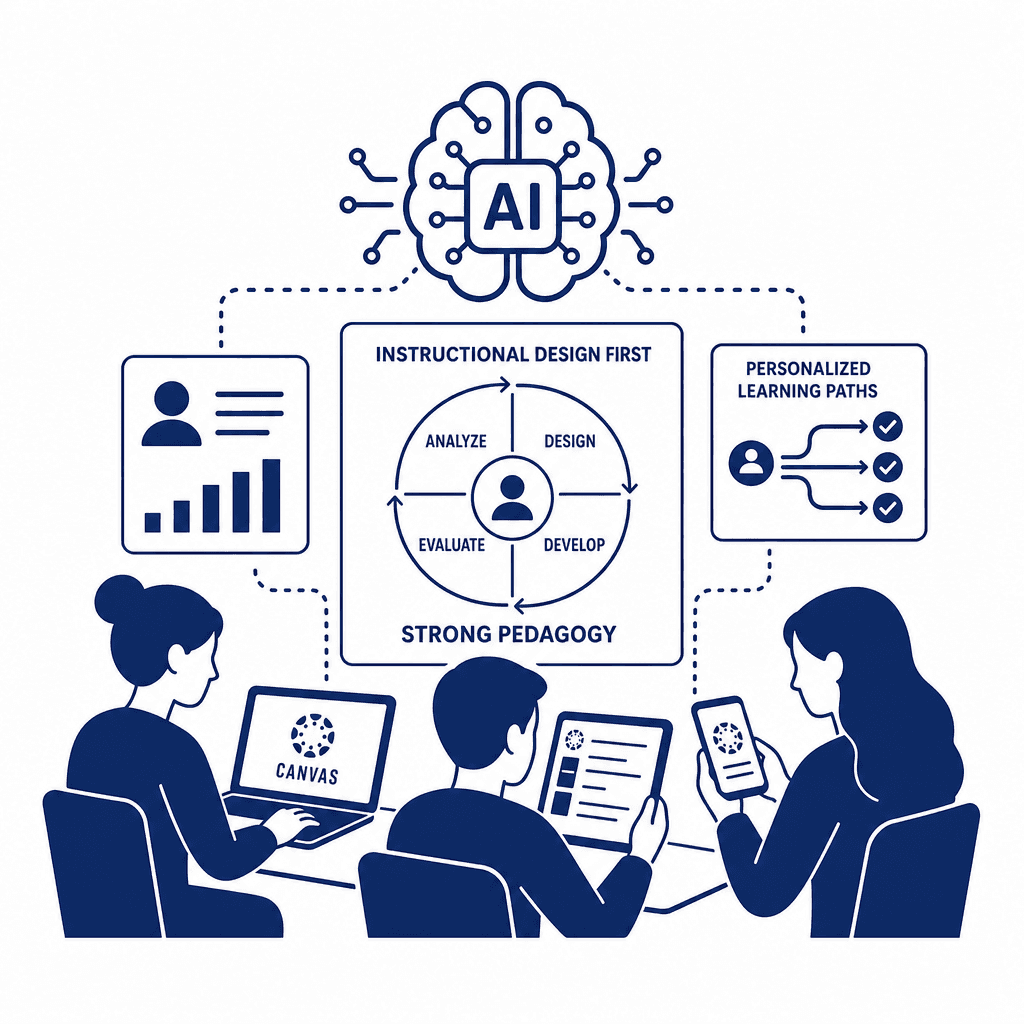
With the rapid integration of AI capabilities and new partner tools, Canvas LMS is evolving beyond its traditional role. This article explores how these advancements are redefining the core functionalities of Canvas, offering instructional designers and educators new ways to create, deliver, and manage learning experiences. It will highlight practical implications for course design, student engagement, and administrative workflows, preparing users for the next generation of digital learning environments.

Building a Unified Learning Ecosystem in Canvas: Integrating AI and New Partnerships for Seamless Instruction

Building a Unified Learning Ecosystem in Canvas: Integrating AI and New Partnerships for Seamless Instruction

This article provides practical strategies for Canvas LMS administrators and instructional designers to leverage new partnerships and integrated AI capabilities to create a truly unified and efficient learning environment. Learn how to move beyond disconnected tools and foster a cohesive educational experience by strategically integrating diverse edtech within the Canvas ecosystem.

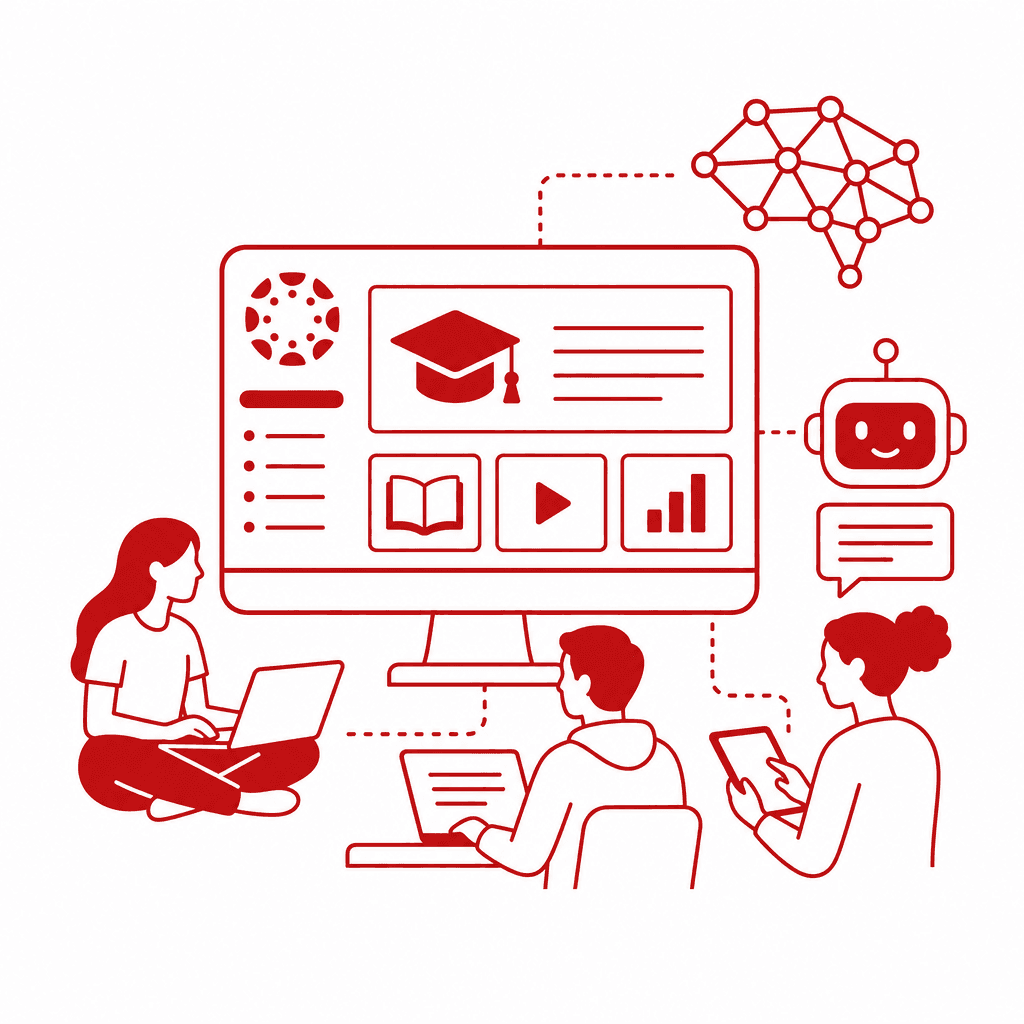
Integrating AI Natively in Canvas

Integrating AI Natively in Canvas

Explore how K-12 and higher-ed educators and instructional designers can strategically integrate AI features directly within Canvas LMS, moving beyond disparate tools to create a seamless, AI-native learning environment that enhances teaching and student engagement. This guide will cover best practices for leveraging evolving Canvas functionalities and partner integrations to unify AI-driven workflows, ensuring a cohesive and effective instructional experience.

Unifying the Canvas Learning Experience: Leveraging Official Partner Tools for Seamless Instruction

Unifying the Canvas Learning Experience: Leveraging Official Partner Tools for Seamless Instruction

Explore how instructional designers and educators can strategically integrate new official Canvas LMS partner solutions to create a more cohesive and efficient learning environment. This guide will cover how to identify high-impact partner tools, integrate them seamlessly into Canvas courses, and leverage them to unify communication, content delivery, and assessment workflows, ultimately enhancing the overall learner and instructor experience.

Integrating Specialized AI Partner Solutions in Canvas

Integrating Specialized AI Partner Solutions in Canvas

With new Canvas LMS partners bringing advanced AI capabilities, educators and administrators need a clear strategy to evaluate, integrate, and effectively utilize these specialized tools. This guide provides a practical framework for assessing pedagogical fit, technical compatibility, and ethical considerations when deploying AI-powered partner solutions within your Canvas ecosystem. Learn how to identify high-impact tools, navigate the integration process, and maximize their potential to enhance learning experiences and streamline workflows.

Strategic Canvas Extensions Leveraging Official Partners for Custom Workflows

Strategic Canvas Extensions Leveraging Official Partners for Custom Workflows

As the Canvas LMS ecosystem evolves, official partners like Raccoon Gang are critical for institutions seeking to extend core Canvas functionalities and create custom learning experiences. This article guides educators, instructional designers, and LMS administrators on strategically evaluating and implementing solutions from official Canvas partners to address unique pedagogical needs, streamline administrative tasks, and build tailored course workflows that go beyond out-of-the-box features.

Designing for Learning in a Restricted AI Environment K-12 Canvas Strategies

Designing for Learning in a Restricted AI Environment K-12 Canvas Strategies

With many K-12 districts pausing or banning student-facing AI tools, educators and instructional designers need practical strategies to continue leveraging Canvas LMS for effective learning. This article will provide actionable tips for designing courses, assignments, and activities that align with district AI policies, focusing on fostering critical thinking and digital literacy without relying on external, restricted AI tools. It will cover how to structure assignments, communicate policies, and utilize Canvas's built-in features to promote academic integrity and meaningful engagement in a policy-constrained environment.

Developing a District-Wide AI Policy for Canvas

Developing a District-Wide AI Policy for Canvas

As schools grapple with the rise of student-facing AI tools and the challenges of academic integrity, many are considering district-wide policies, with some districts even implementing bans. This article provides a framework for K-12 and higher-ed administrators and instructional designers to develop comprehensive AI use policies specifically tailored for their Canvas LMS environment. It will cover strategies for evaluating AI tools, addressing ethical considerations, promoting responsible student use, and fostering collaboration between faculty, IT, and leadership to ensure a balanced and effective approach to AI integration or restriction within the learning ecosystem.

Streamlining AI Course Content Creation in Canvas Leveraging Partner Tools for Unified Authoring

Streamlining AI Course Content Creation in Canvas Leveraging Partner Tools for Unified Authoring

This article provides a practical guide for educators and instructional designers on how to integrate and utilize emerging AI authoring tools within the Canvas LMS. By exploring new partner integrations, readers will learn strategies to create consistent, high-quality course content more efficiently, moving from disconnected AI tools to a unified content development workflow directly within their Canvas environment.

Navigating AI in IEP Meetings: A Guide for K-12 Teachers Using Canvas

Navigating AI in IEP Meetings: A Guide for K-12 Teachers Using Canvas

As parents increasingly use AI to prepare for IEP meetings, K-12 educators need strategies to understand, address, and leverage AI's role in these critical discussions. This guide will provide actionable advice for teachers on how to navigate AI-generated reports, advocate for student needs, and maintain a human-centered approach within the Canvas LMS context.
Uncovering Shadow AI in Canvas

Uncovering Shadow AI in Canvas

Many educators and students are informally using AI tools alongside Canvas. This 'shadow AI' can reveal unmet needs and innovation opportunities. This article provides practical strategies for Canvas administrators and instructional designers to identify shadow AI usage, understand its motivations, and leverage these insights to inform official Canvas integrations, tool adoption, and AI policy development, ensuring a more responsive and effective learning environment.

Unifying AI Authoring

Unifying AI Authoring

Discover practical strategies for integrating disparate AI-powered content authoring tools into a cohesive workflow within the Canvas LMS. This guide will help instructional designers and educators streamline course creation, maintain pedagogical quality, and overcome the challenges of using disconnected AI solutions to produce Canvas-ready content.

Beyond Rapid Creation: Ensuring Deep Learning with AI-Generated Courses in Canvas

Beyond Rapid Creation: Ensuring Deep Learning with AI-Generated Courses in Canvas

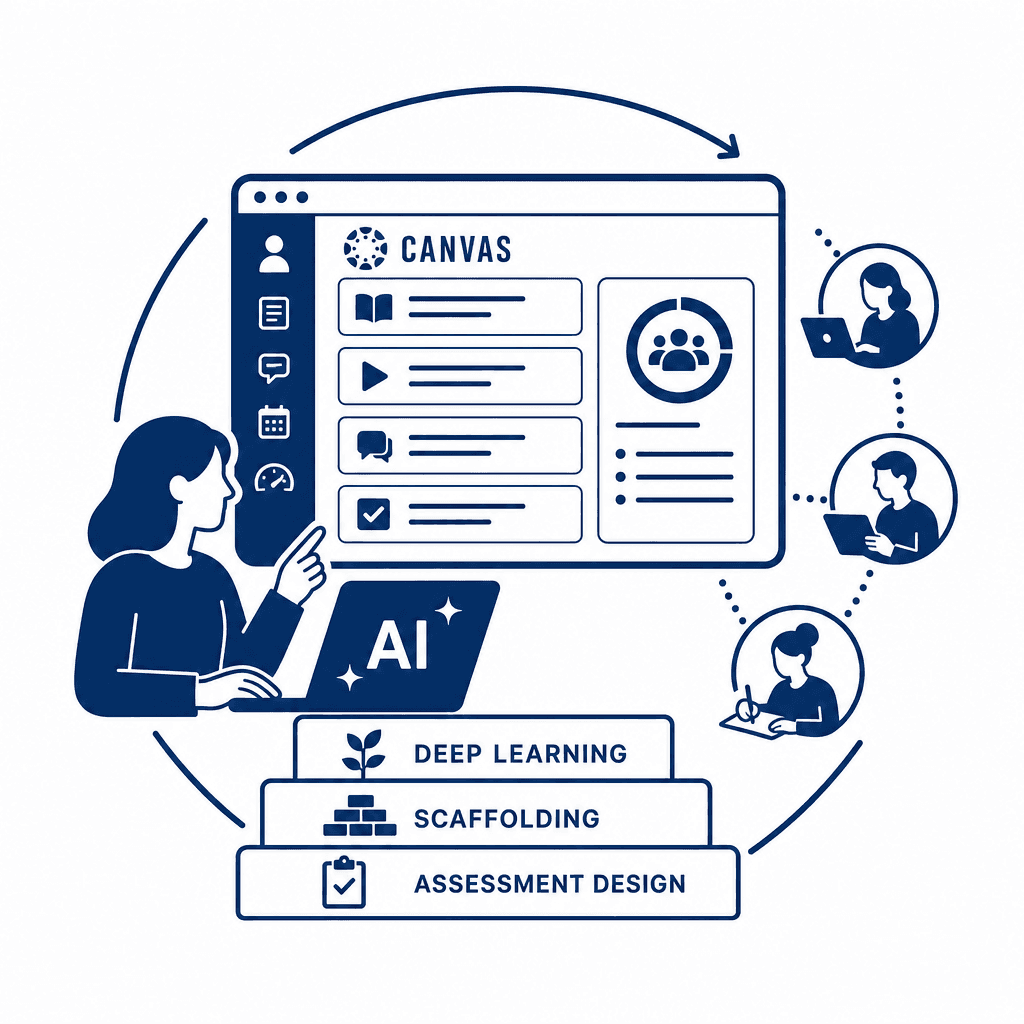
AI tools can quickly generate course content, but true learning takes time and thoughtful design. This article provides educators and instructional designers with strategies to move beyond mere content generation to ensure deep, meaningful learning experiences in Canvas courses created with AI assistance. It will cover pedagogical oversight, scaffolding, active learning integration, and assessment design that promotes critical thinking, even when content is rapidly produced by AI.

Beyond Completion Rates Deeper Metrics for Engagement in Canvas Courses

Beyond Completion Rates Deeper Metrics for Engagement in Canvas Courses

Explore actionable strategies for moving beyond basic completion data in Canvas to understand true student engagement and learning progress. This guide will provide educators and instructional designers with practical tips for leveraging Canvas analytics, identifying early signs of disengagement, and implementing alternative assessment methods to gain deeper insights into learner success.

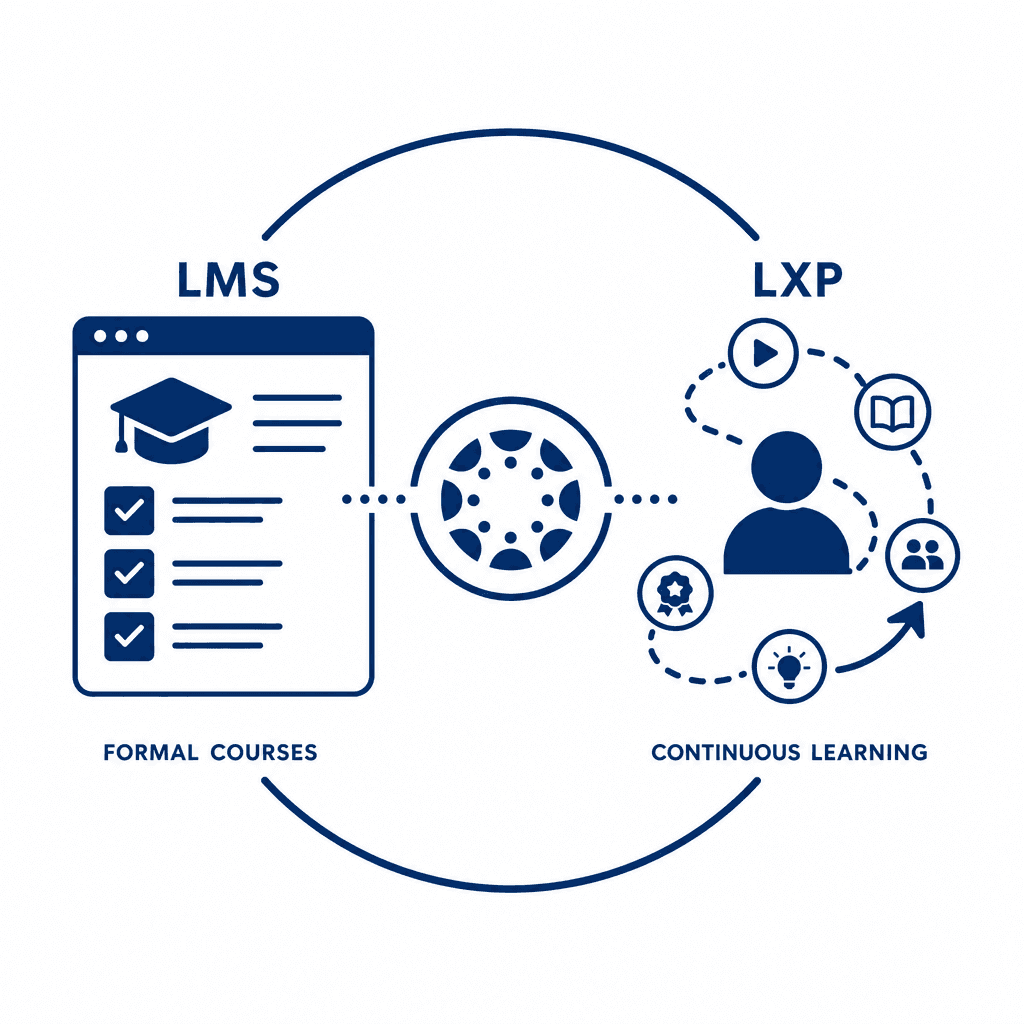
LMS vs. LXP in a Canvas Ecosystem: Designing for Formal Courses vs. Continuous Learning

LMS vs. LXP in a Canvas Ecosystem: Designing for Formal Courses vs. Continuous Learning

Explore the distinct roles of Learning Management Systems (LMS) like Canvas and Learning Experience Platforms (LXP). This article will provide instructional designers and Canvas administrators with a practical guide to understanding when and how to leverage each system, or integrate both, to support different learning objectives—from structured course delivery to personalized, continuous professional development. We'll examine specific Canvas integrations and workflows that enable a seamless learner journey across both platforms.

Strategic Vetting Evaluating New Canvas Integrations and Partners for Pedagogical Impact

Strategic Vetting Evaluating New Canvas Integrations and Partners for Pedagogical Impact

With new Canvas LMS partners and integration options constantly emerging, instructional designers and LMS administrators need a strategic framework for evaluating and implementing these tools. This article will provide a practical guide on how to assess potential Canvas integrations, third-party applications, and new partner offerings to ensure they align with pedagogical goals, enhance teaching and learning workflows, and maintain system stability and accessibility. It will cover criteria for selection, pilot strategies, and best practices for successful adoption.

Unlocking LXP Potential in Canvas - Strategies for Personalized and Engaging Learning Pathways

Unlocking LXP Potential in Canvas - Strategies for Personalized and Engaging Learning Pathways

Discover how to transform your Canvas courses into dynamic learning experiences that rival Learning Experience Platforms (LXPs). This article provides practical strategies for using Canvas features, integrations, and instructional design principles to deliver personalized content, foster learner autonomy, facilitate skill development, and enhance overall engagement, all within the familiar Canvas environment.

Fortifying Student Cognition in Canvas

Fortifying Student Cognition in Canvas

In an age where AI can generate content and solve problems, educators need strategies to ensure students' cognitive abilities are strengthened, not diminished. This article will guide instructional designers and teachers on how to leverage Canvas features to create learning activities, assessments, and content that actively challenge students to think critically, synthesize information, and engage in higher-order thinking, preparing them for an AI-integrated world.

Designing for Inclusive Learning in Canvas - Beyond Compliance to Proactive Accessibility

Designing for Inclusive Learning in Canvas - Beyond Compliance to Proactive Accessibility

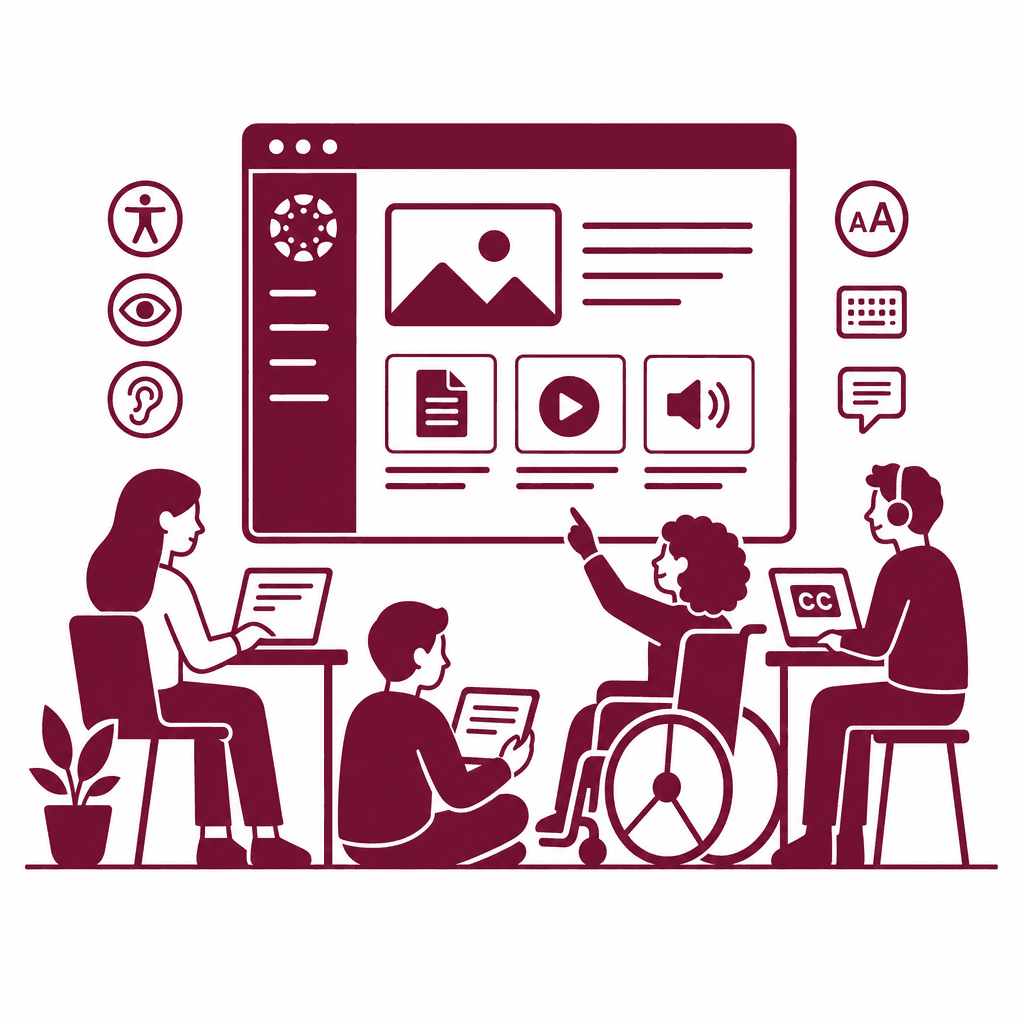
This article will guide K-12 and higher-ed educators and instructional designers on how to proactively integrate inclusive design principles into their Canvas courses. It moves beyond simply meeting accessibility checklists to fostering an equitable learning environment for all students from the outset. We'll cover practical strategies for content creation, module structure, and assessment design within Canvas that benefit diverse learners, including those with disabilities and varying learning styles.

Designing an Intuitive Canvas: User Experience (UX) Best Practices for Educators

Designing an Intuitive Canvas: User Experience (UX) Best Practices for Educators

Explore practical, actionable UX design principles educators and instructional designers can apply directly within Canvas to create more intuitive, engaging, and effective learning environments. This guide will cover how to structure courses, utilize navigation tools, optimize content presentation, and minimize cognitive load, ensuring learners can effortlessly find what they need and focus on learning, not platform navigation.

Integrating AI for Cognitive Load Management in Canvas

Integrating AI for Cognitive Load Management in Canvas

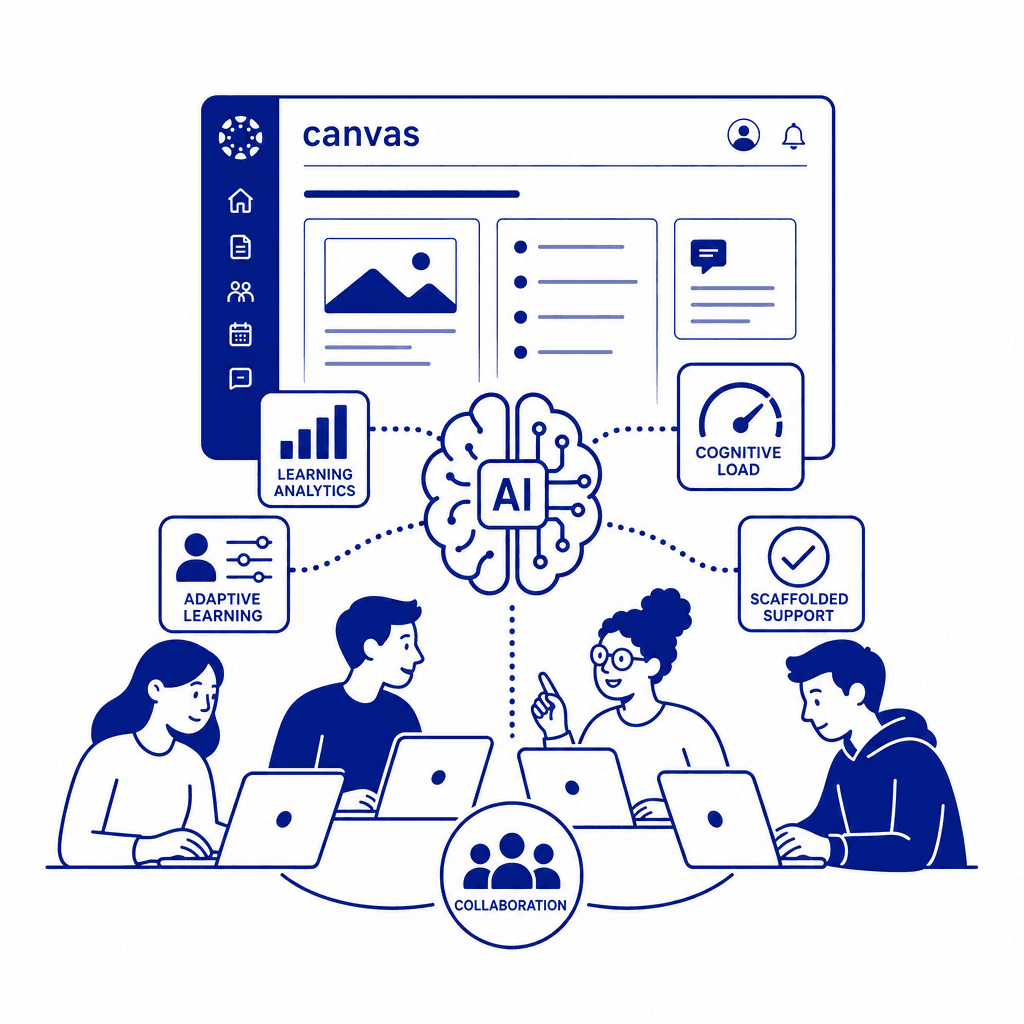
Explore practical strategies for instructional designers and educators to leverage AI tools within Canvas LMS to optimize cognitive load for students. This article will provide actionable advice on selecting and implementing AI functionalities (e.g., adaptive feedback, smart content sequencing, personalized prompts) to scaffold complex tasks, reduce extraneous load, and promote deeper understanding and critical thinking in online and blended learning environments.

Elevating Learner Experience (LX) in Canvas - Strategic Approaches for Engagement, Success, and Retention

Elevating Learner Experience (LX) in Canvas - Strategic Approaches for Engagement, Success, and Retention

In an increasingly competitive educational landscape, an exceptional Learner Experience (LX) within your Canvas LMS is not just a nicety—it's a strategic imperative. This article provides instructional designers, educators, and Canvas administrators with actionable strategies to design and optimize the entire learning journey in Canvas. We'll explore how to move beyond basic course content to create engaging, intuitive, and supportive environments that reduce friction, boost student engagement, and ultimately drive higher rates of success and retention. Learn how to leverage Canvas features, integrations, and design principles to make LX your competitive advantage.

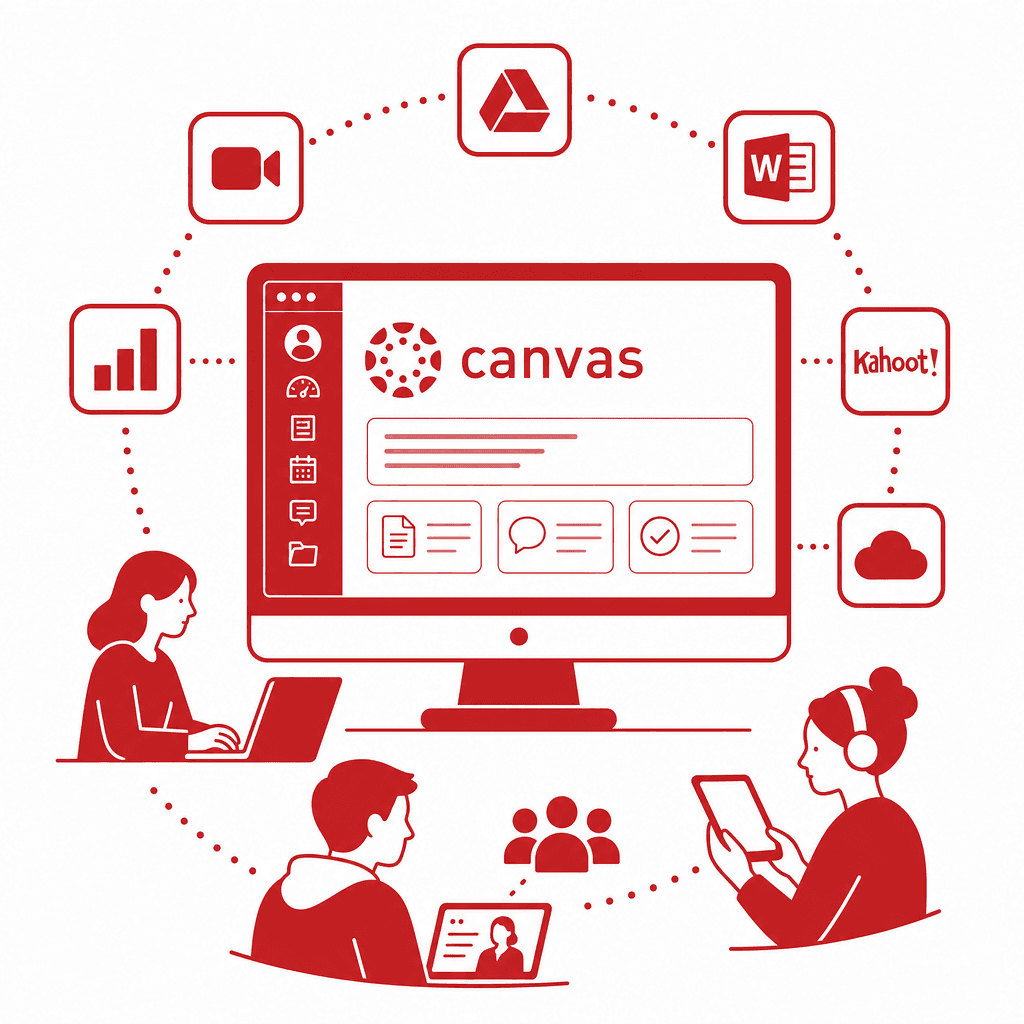
Unlocking Canvas Potential - A Guide to Strategic Third-Party Tool Integrations

Unlocking Canvas Potential - A Guide to Strategic Third-Party Tool Integrations

Many schools using Canvas LMS struggle with siloed systems or underutilized features. This article provides a strategic guide for educators and instructional designers on identifying, evaluating, and integrating third-party tools that genuinely enhance teaching workflows, improve student engagement, and solve specific instructional challenges within Canvas, beyond just basic LTI integrations. Focus on practical applications and user experience.
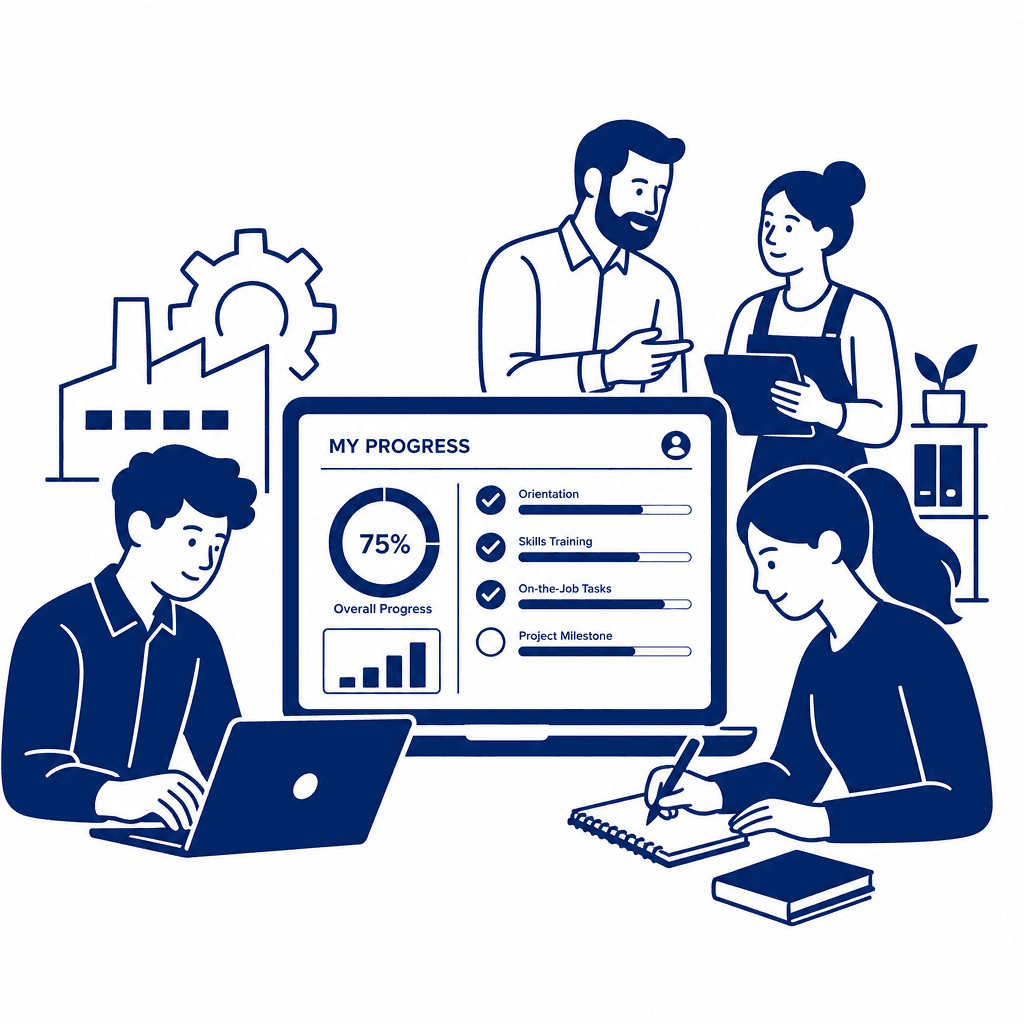
Canvas for Earn-and-Learn Strategies for Tracking On-the-Job Progress

Canvas for Earn-and-Learn Strategies for Tracking On-the-Job Progress

Explore effective methods for leveraging Canvas LMS to monitor and assess the practical, hands-on components of apprenticeship, internship, and other earn-and-learn programs. This guide will help educators and program administrators design Canvas courses to track skill development, record mentor feedback, and manage assessment of real-world work experiences.
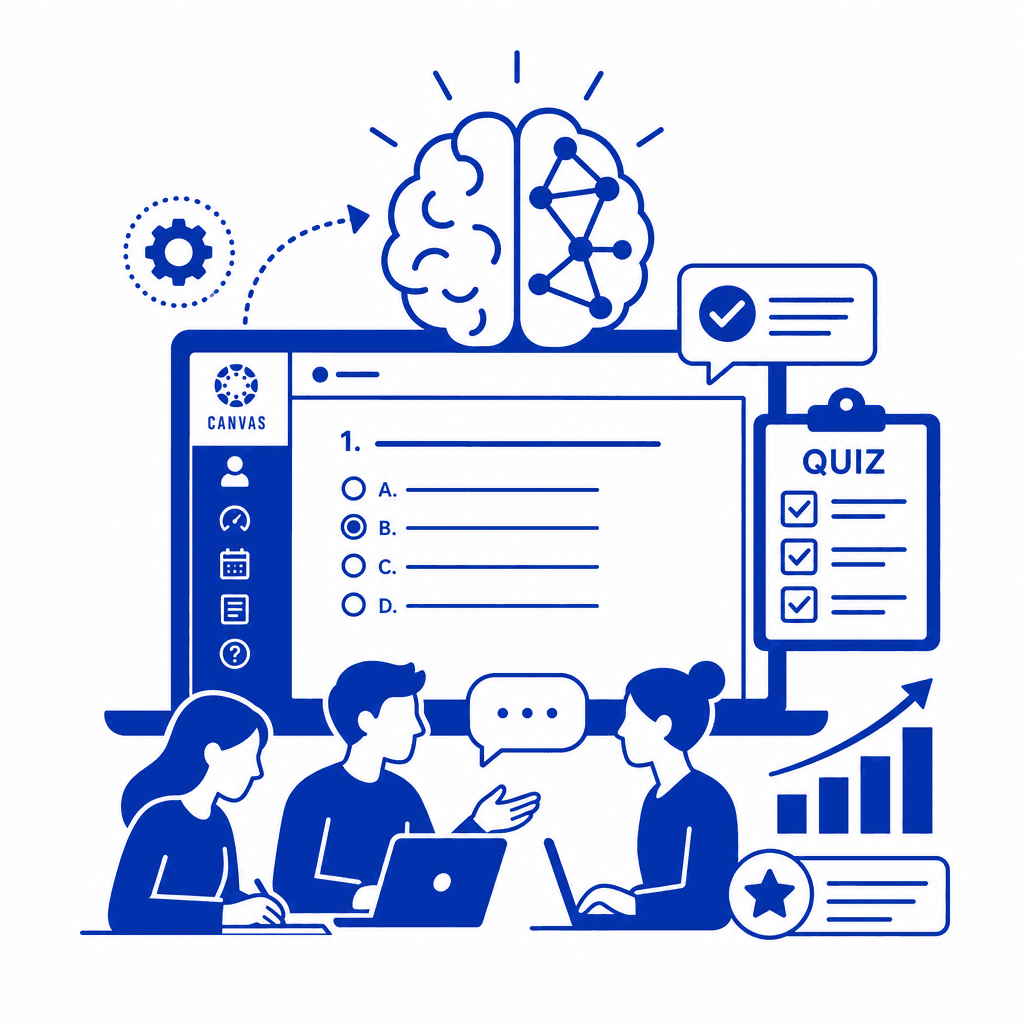
Prioritizing User Experience in Canvas Course Design

Prioritizing User Experience in Canvas Course Design

Explore how instructional designers and educators can apply user experience (UX) principles to create intuitive, engaging, and accessible courses in Canvas, emphasizing navigation, content clarity, and interaction design. This guide offers practical tips for optimizing student satisfaction and learning outcomes by focusing on thoughtful UX, even amidst the buzz of new AI functionalities.

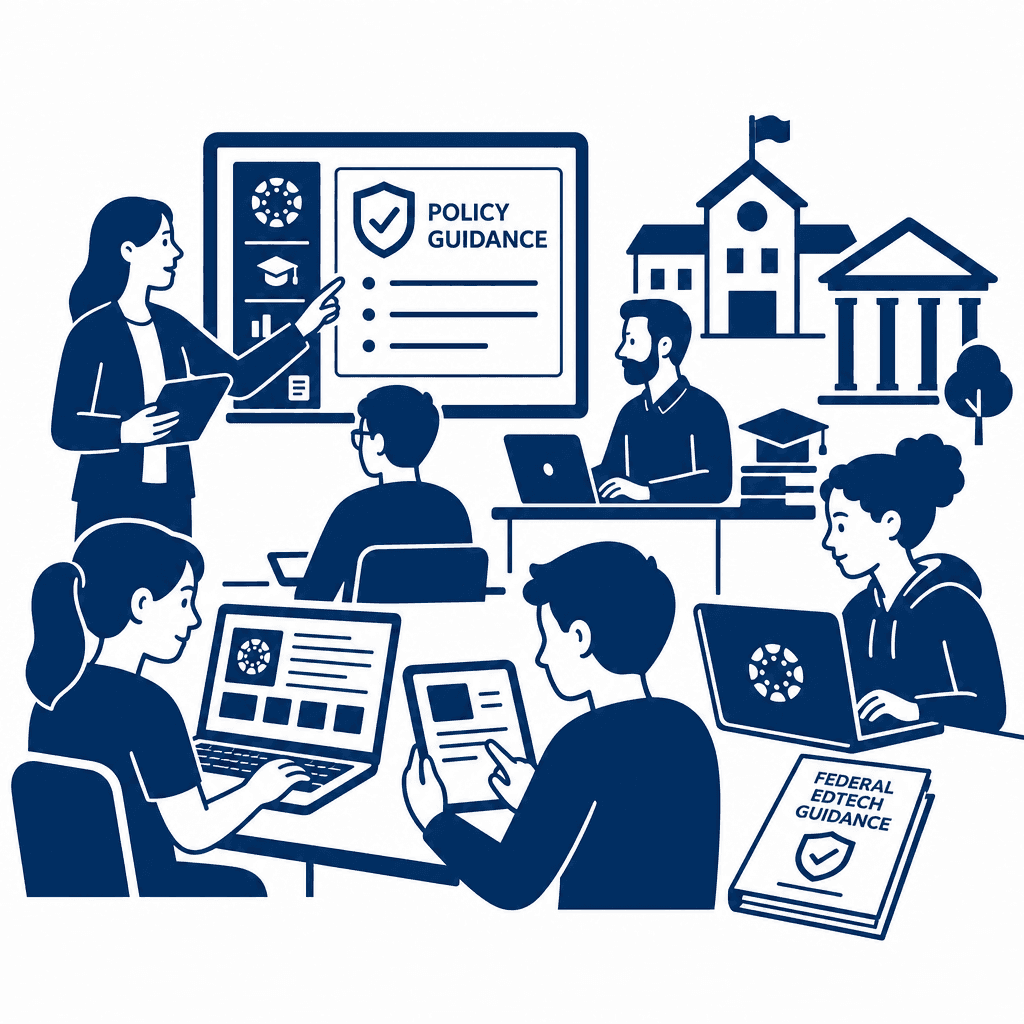
Navigating New Federal Edtech Guidance: Practical Implications for Canvas Schools

Navigating New Federal Edtech Guidance: Practical Implications for Canvas Schools

With the Department of Education's new edtech guidance, schools need to understand the implications for their learning environments. This article will translate federal recommendations into practical steps for K-12 and higher education teachers, instructional designers, and LMS administrators using Canvas. Learn how to align your instructional practices, course design, and technology adoption strategies with new policy frameworks, ensuring compliance while enhancing learning outcomes within Canvas.

Strategic Canvas Integrations Extending LMS Capabilities and Enhancing User Experience

Strategic Canvas Integrations Extending LMS Capabilities and Enhancing User Experience

For Canvas LMS administrators and instructional designers, understanding how to strategically evaluate and integrate third-party tools and official Canvas partners is crucial for extending platform capabilities and enhancing the overall user experience. This article provides a framework for assessing potential integrations, considering factors like user workflow, data privacy, and return on investment, enabling informed 'build vs. buy' decisions within the Canvas ecosystem to meet evolving educational needs.

Integrating AI-Powered Virtual Roleplay for Skill Practice and Coaching in Canvas

Integrating AI-Powered Virtual Roleplay for Skill Practice and Coaching in Canvas

Explore how educators can leverage AI-driven virtual roleplay sessions and avatar-based coaching tools within Canvas LMS to provide students with safe, scalable environments for practicing complex skills, receiving instant feedback, and improving performance in various disciplines. This article will cover practical integration strategies, pedagogical considerations for designing effective roleplay scenarios, and tips for evaluating student progress.

Solving Microlearning's Retention Problem

Solving Microlearning's Retention Problem

Explore effective instructional design strategies for creating microlearning modules in Canvas that improve learner retention. Focus on practical tips for structuring content, integrating interactive elements, and leveraging Canvas features to combat common microlearning retention challenges.

Preparing Learners for the Deepfake Era: Cultivating Verification Habits in Canvas Courses

Preparing Learners for the Deepfake Era: Cultivating Verification Habits in Canvas Courses

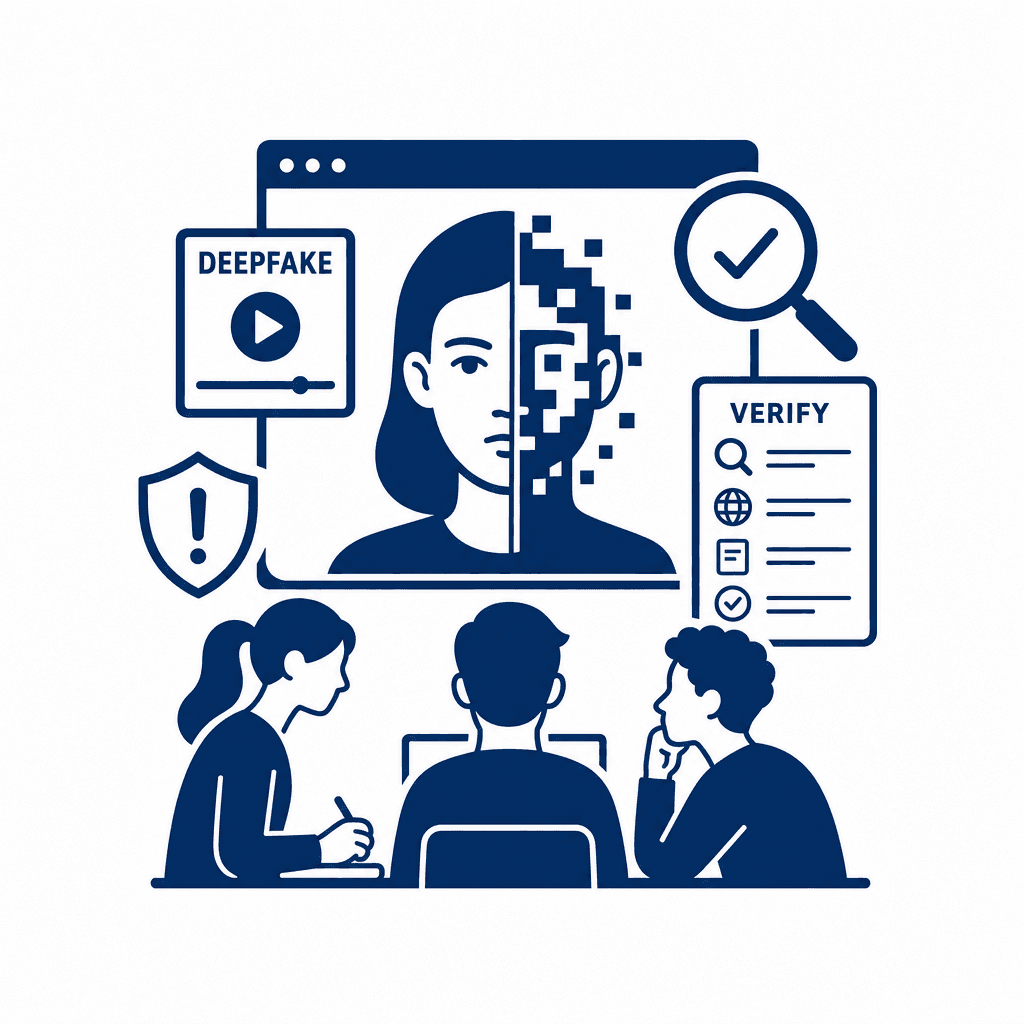
As AI-generated content, including deepfakes, becomes more sophisticated, educators must equip students with critical verification skills. This article provides practical strategies for integrating media literacy and verification habit-building activities directly into Canvas courses. Learn how to design assignments, discussions, and resources that help students critically evaluate digital information, identify manipulated content, and develop a healthy skepticism essential for the modern information landscape.

Navigating Failure Modes in AI-Powered Language Assessments in Canvas

Navigating Failure Modes in AI-Powered Language Assessments in Canvas

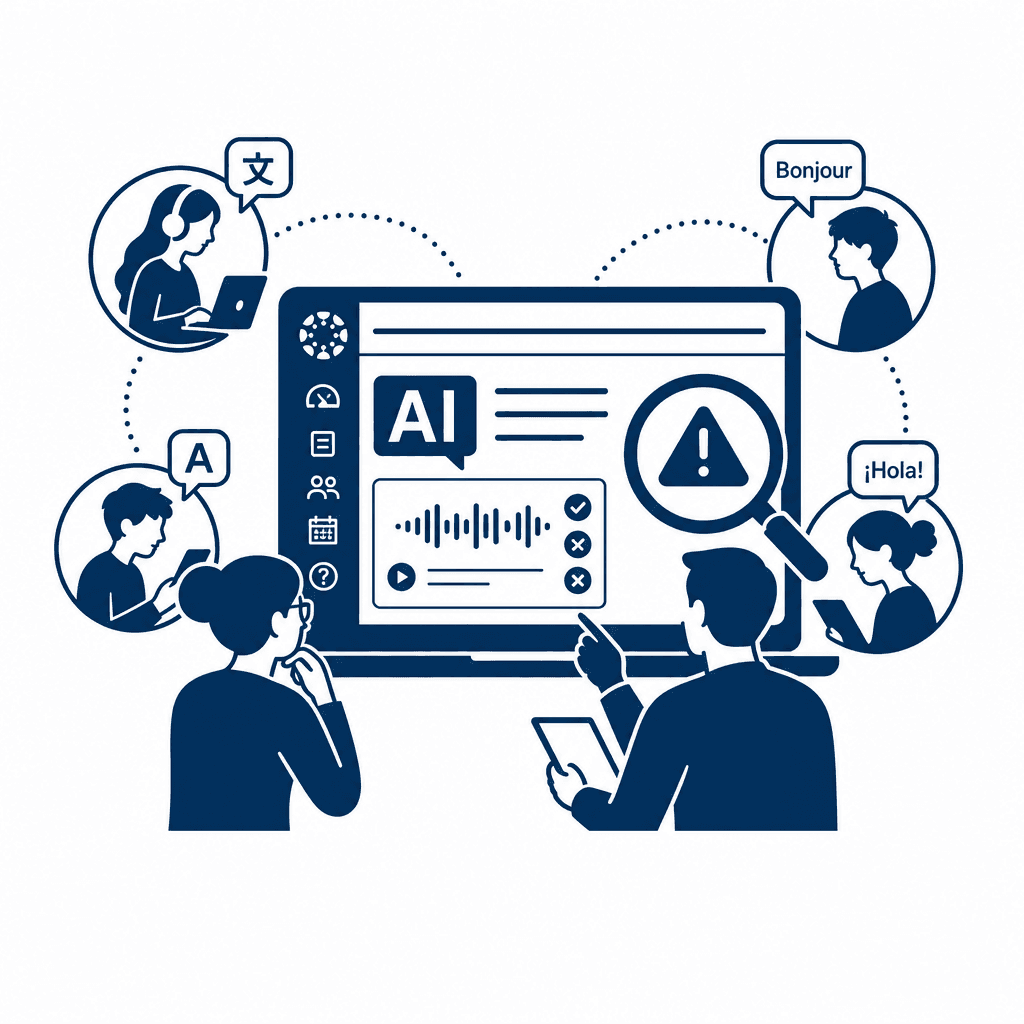
Explore common pitfalls and design flaws in AI-powered language assessment tools and strategies within Canvas LMS. This guide provides practical steps for educators to identify, diagnose, and resolve issues, ensuring accurate and equitable evaluation of student language proficiency. Learn how to refine prompts, calibrate AI models, and implement human oversight to prevent misinterpretations and improve assessment validity.

Crafting Post-AI Detector Assessments in Canvas

Crafting Post-AI Detector Assessments in Canvas

With AI detection tools becoming less reliable, educators need new approaches to assessment. This guide explores innovative strategies for designing authentic, AI-resilient assessments within Canvas that truly measure student learning and critical thinking, moving beyond detection to focus on meaningful engagement and evaluation.

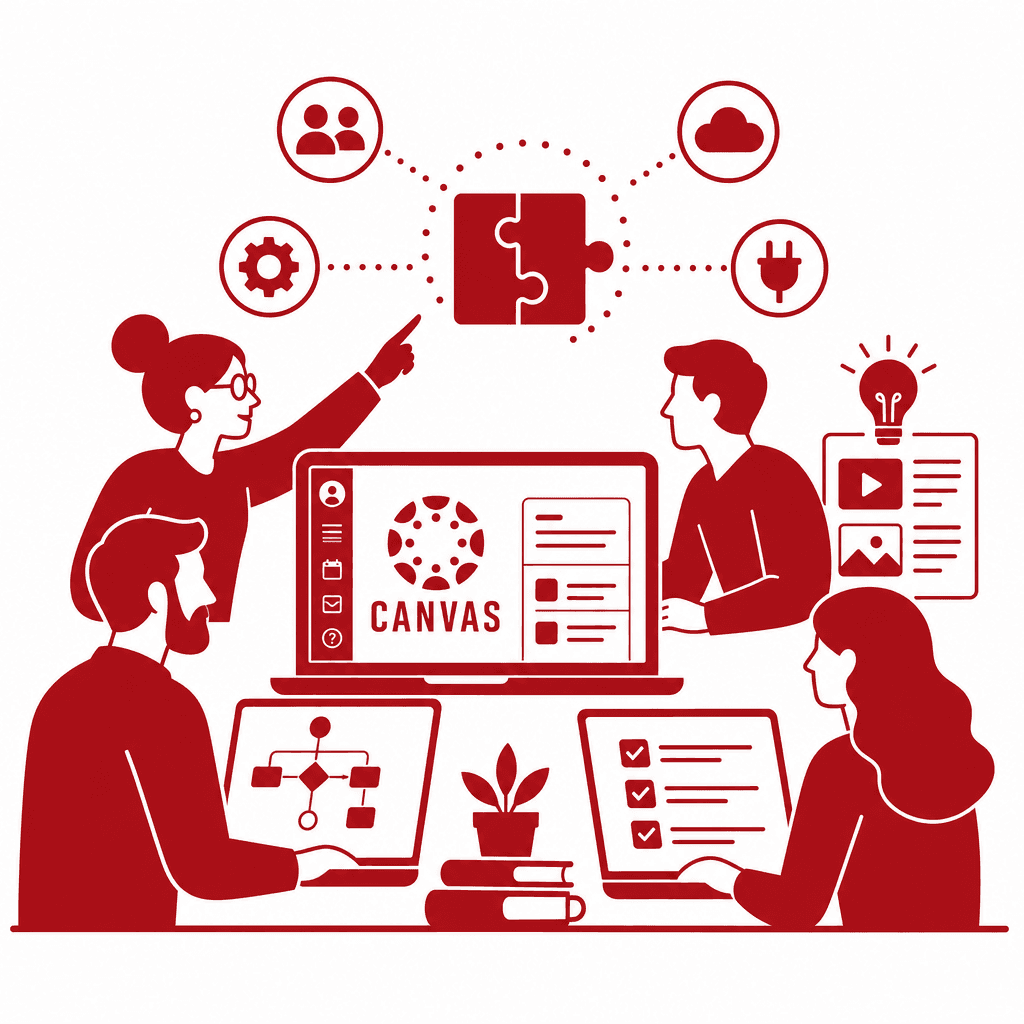
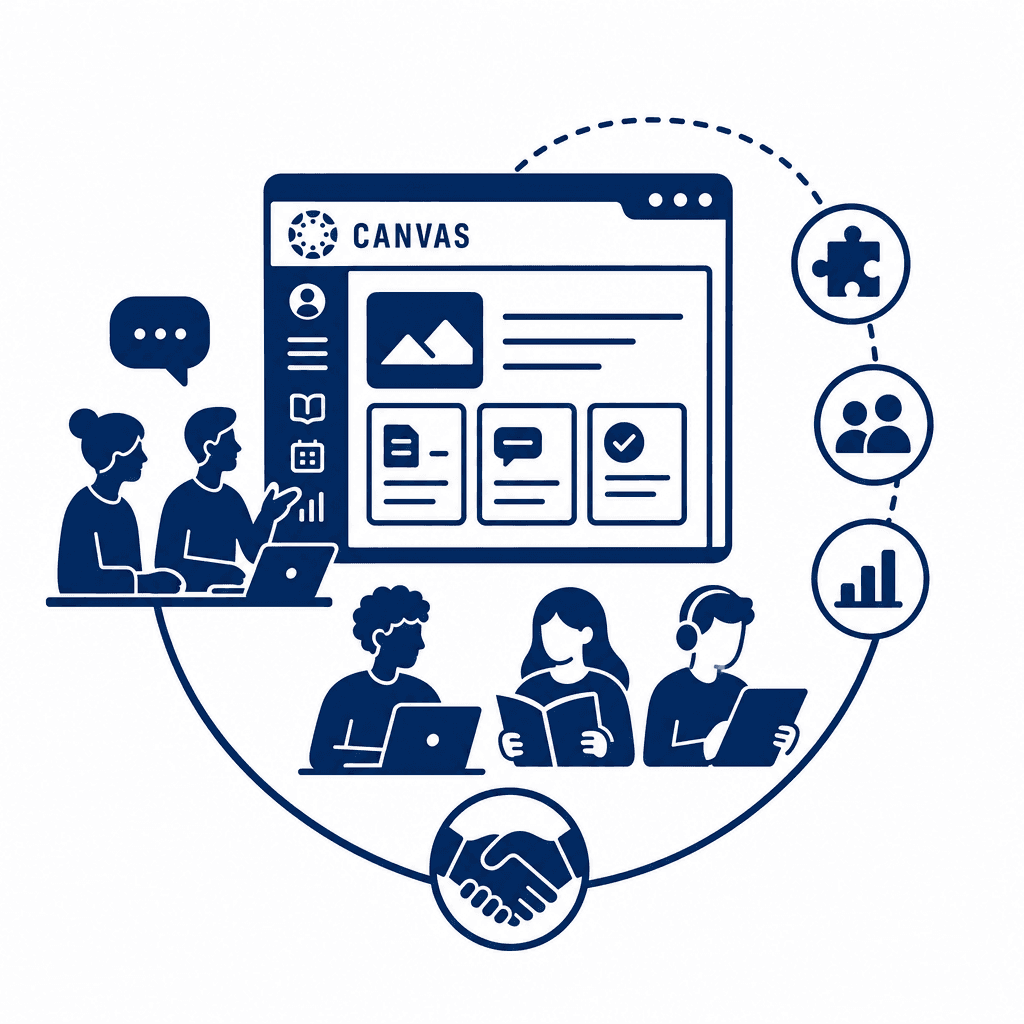
Leveraging New Canvas LMS Partnerships - Expanding Capabilities for Educators

Leveraging New Canvas LMS Partnerships - Expanding Capabilities for Educators

Explore how educators and instructional designers can take advantage of the growing ecosystem of official Canvas LMS partners. This article will highlight the benefits of integrating new tools and services, offering practical advice on identifying valuable partnerships, evaluating integration options, and implementing them to enhance course design, assessments, and overall learning workflows within Canvas.

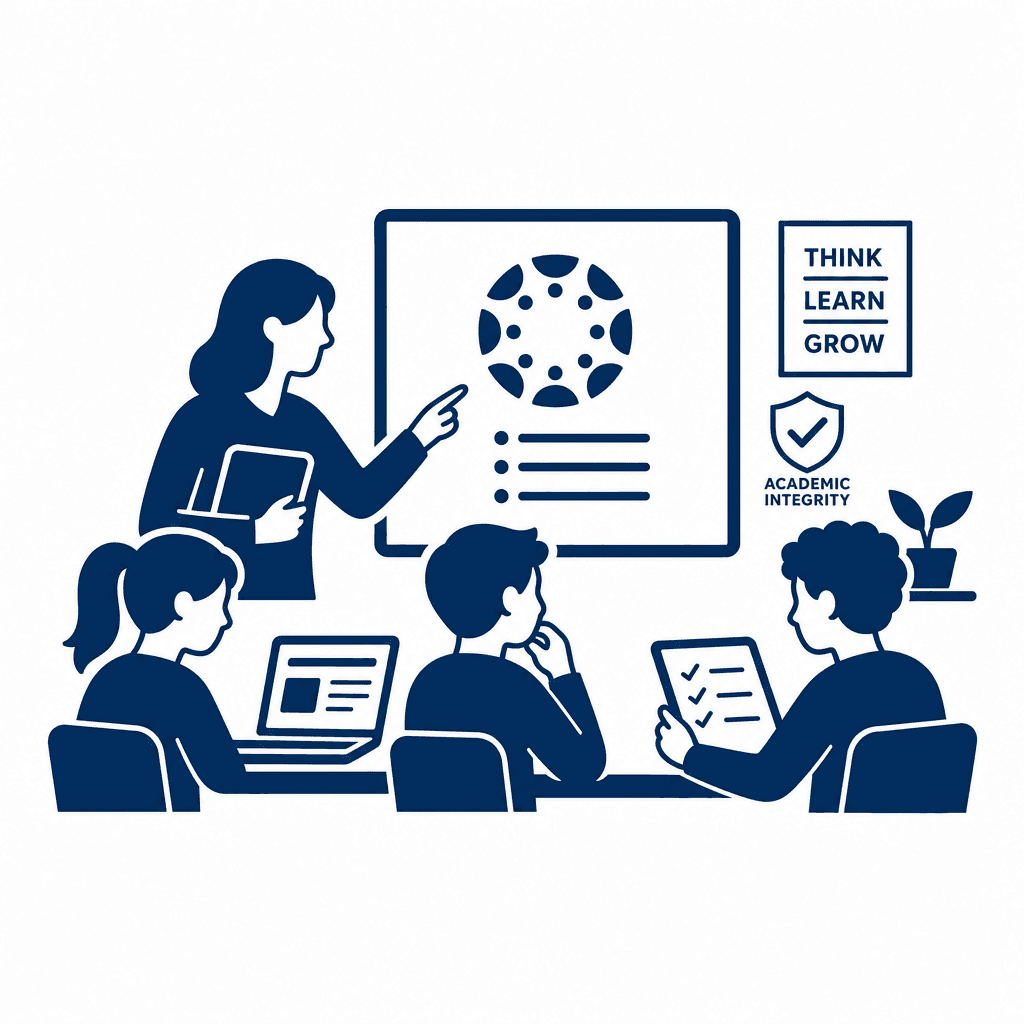
Designing AI-Proof Assessments New Strategies for Academic Integrity in Canvas

Designing AI-Proof Assessments New Strategies for Academic Integrity in Canvas

With the limitations of AI content detectors, educators need new strategies for designing assessments that uphold academic integrity in the age of generative AI. This guide will explore innovative assessment types and pedagogical approaches within Canvas that make it difficult or irrelevant for students to use AI for unfair advantage, focusing instead on higher-order thinking, personalized tasks, and authentic demonstrations of learning.

Weaving Narratives into Canvas: Engaging Learners Through Storytelling

Weaving Narratives into Canvas: Engaging Learners Through Storytelling

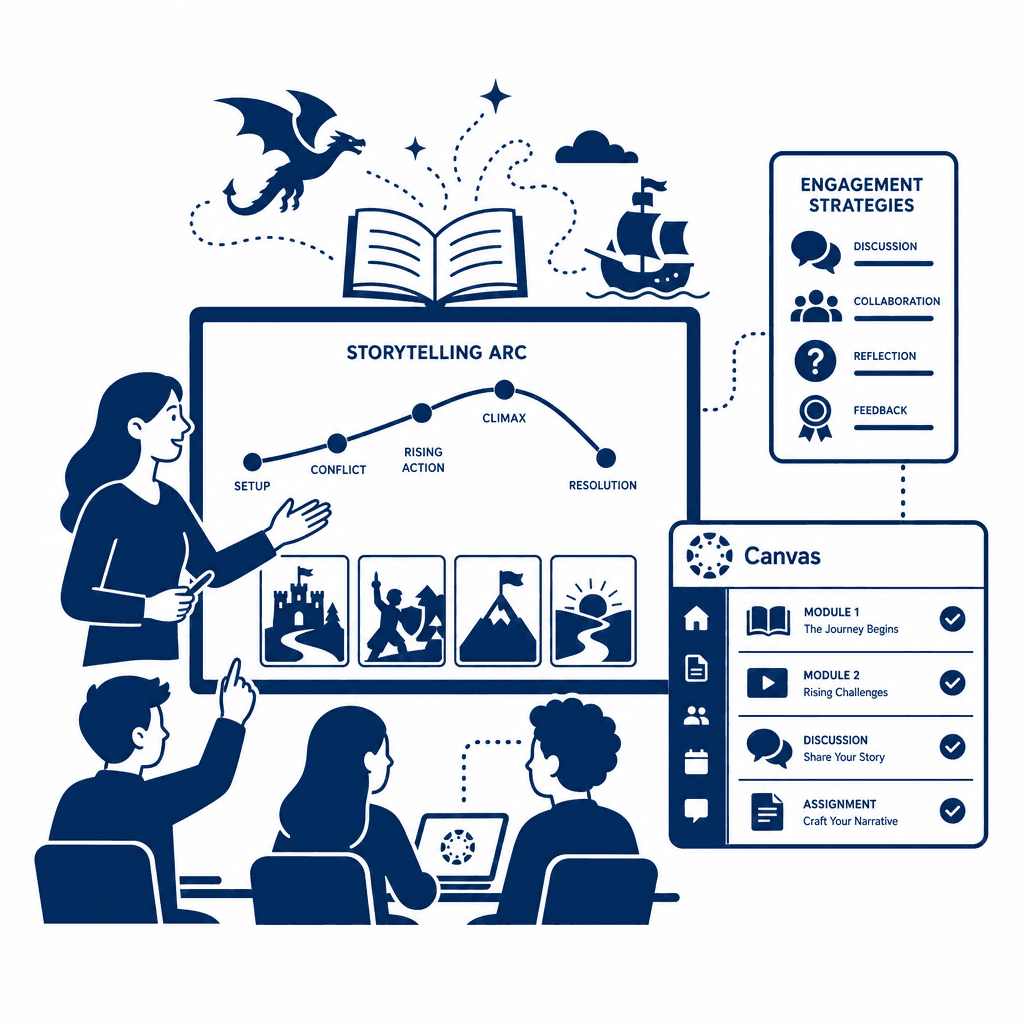
Explore how educators and instructional designers can integrate effective storytelling techniques into Canvas courses to enhance learner engagement, improve comprehension, and create memorable learning experiences. This guide will cover practical strategies for identifying narrative opportunities, structuring content using storytelling arcs, and leveraging Canvas features to deliver compelling learning stories.

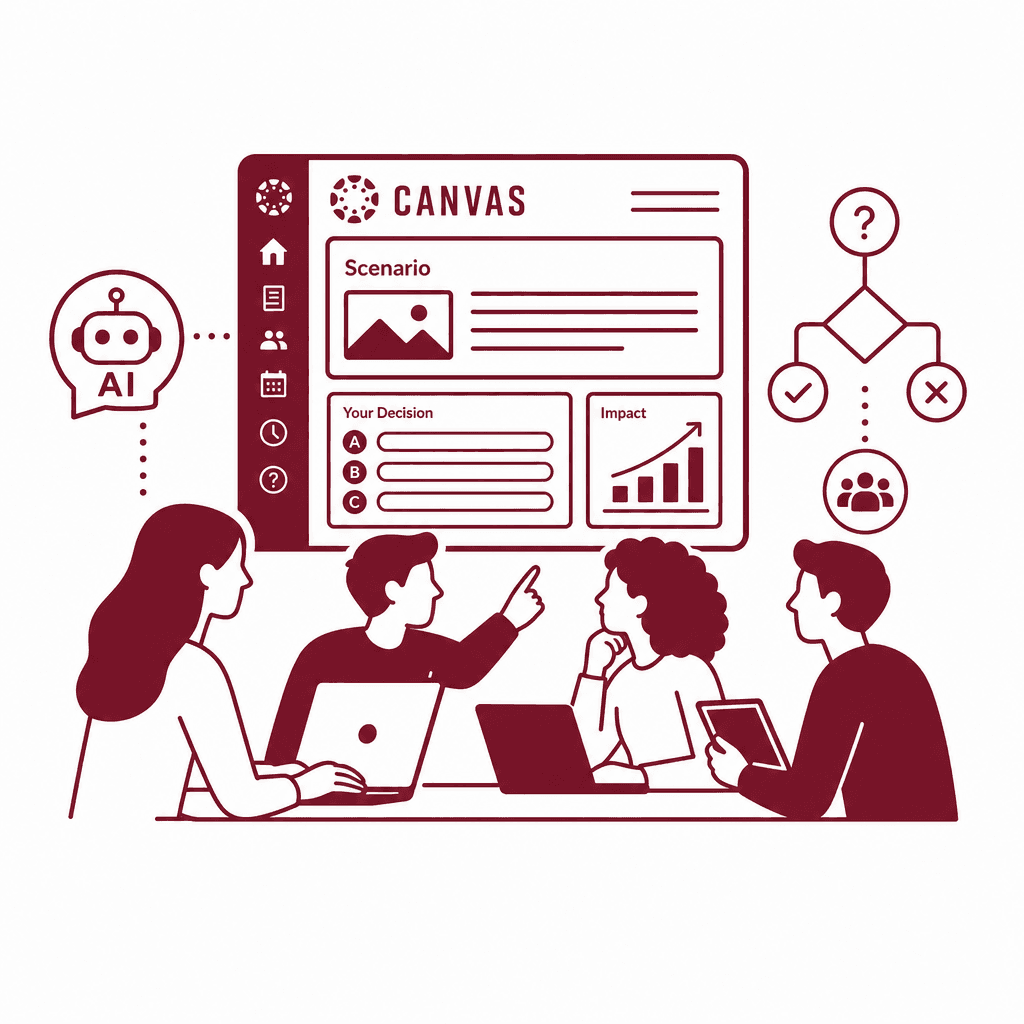
Designing AI-Powered Scenario-Based Learning for Decision-Making Practice in Canvas

Designing AI-Powered Scenario-Based Learning for Decision-Making Practice in Canvas

Explore how educators and instructional designers can create and integrate AI-enhanced scenario-based learning experiences within Canvas to help students practice critical decision-making and problem-solving skills. This article will cover strategies for developing compelling scenarios, leveraging AI tools for adaptive feedback and role-play, and best practices for assessment and integration into Canvas courses.