
Auditing and Optimizing Your Canvas Course Content Library
Many educators and instructional designers accumulate vast amounts of content within Canvas over time, leading to disorganization and inefficiency. This guide provides actionable strategies for auditing, cleaning up, and optimizing your Canvas course content library to improve discoverability, reusability, and overall course design efficiency. Learn how to identify redundant materials, update outdated resources, and implement best practices for content organization within Canvas.
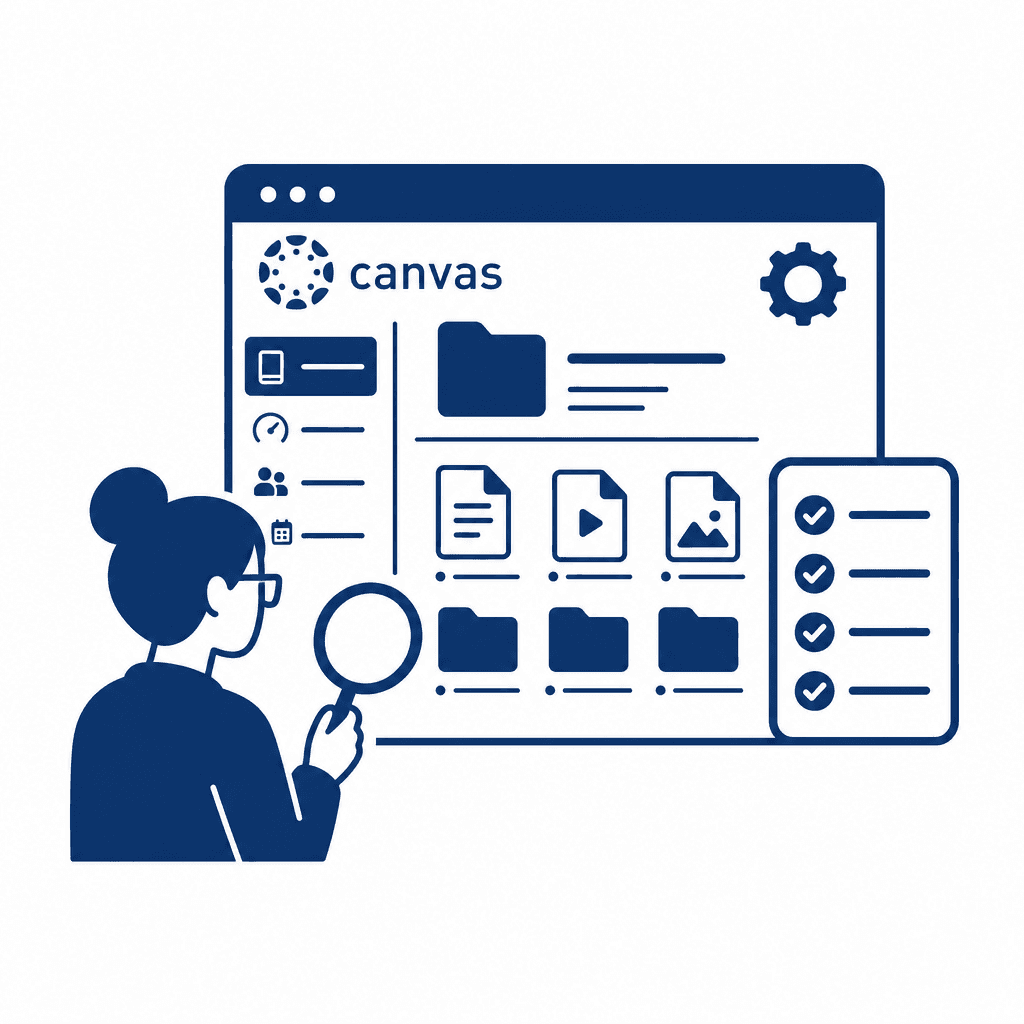
Managing digital content in the Canvas LMS can become overwhelming for educators and instructional designers. This article explores effective strategies to audit and optimize your course content library, leading to enhanced organization and efficiency. By identifying outdated and redundant resources, we can improve course design while ensuring that valuable materials are easily accessible for future use.
Understanding Canvas Content Organization
Understanding how content is organized within the Canvas LMS is crucial for educators and instructional designers. Canvas employs an intuitive structure that allows for efficient content management through its features, including modules, pages, assignments, and files. Modules serve as containers for organizing course materials into logical groupings and can include any resource type. Within each module, educators can create pages to provide instructions, embed multimedia, or share supplementary information. Assignments are linked to modules, making it easy to connect learning activities with content. Files, too, play an essential role in content delivery; they can be uploaded and accessed through modules, ensuring that documents, presentations, and other files are readily available. A well-organized course not only contributes to seamless navigation but also enhances accessibility for all learners, reducing cognitive overload. The concept of content audits is essential for maintaining a structured course library; regular audits can reveal opportunities for improvement, identify outdated materials, or highlight redundancy. By systematically reviewing content, educators ensure their course remains current and aligned with learning objectives, promoting a more effective learning environment.
The Importance of Content Audits
Conducting a content audit in Canvas involves a systematic evaluation of your course materials to improve organization and accessibility. The primary aim is to identify redundant, outdated, or misaligned resources. A content audit entails a comprehensive review where educators and instructional designers examine each asset within their Canvas course library for relevance and utility. To effectively conduct a content audit, follow these steps: 1. **Inventorying Content**: Begin by compiling a comprehensive list of all course resources, including modules, assignments, and files. This inventory will serve as the foundation for your audit. 2. **Evaluating Relevance**: On a resource-by-resource basis, assess whether the content aligns with course objectives and current curriculum standards. Mark outdated materials for deletion or update. 3. **Identifying Redundant Resources**: Look for duplicates or similar materials that may confuse students. Consolidating these resources can streamline the teaching process. 4. **Documenting Findings**: Create a structured report to track your audit results. Use tables or spreadsheets to categorize resources as 'retain', 'update', or 'remove', making it easier to visualize the audit’s impact. By regularly conducting audits, educators can enhance the quality of their course materials, ensuring they meet the changing needs of their students and adhering to best practices in course design.
Identifying and Removing Redundant Materials
Identifying and removing redundant materials within your Canvas course content library is essential for streamlining course design and enhancing the overall teaching experience. Start by conducting a thorough review of your resources to pinpoint duplicates or similar materials. Look for *syllabi, assignment prompts,* and *lecture notes* that may serve the same purpose but exist in slightly different formats or contexts. One effective method is to create clusters of similar materials. Grouping these resources can help you determine which items are the most valuable or comprehensive. For example, if you have multiple versions of a quiz on the same topic, you can consolidate these into one high-quality assessment, thus reducing cognitive overload for both instructors and students. Regularly employing naming conventions can also mitigate future redundancies. For instance, using consistent prefixes or codes can aid in quickly identifying materials related to specific topics. Additionally, utilizing Canvas’ tagging and categorization features can further enhance resource discoverability. Establishing a routine for content check-ins, such as at the end of each semester, can help maintain an organized library free from unnecessary duplications, ultimately supporting effective course design and instructional clarity.
Updating Outdated Resources
Updating course materials regularly is critical for maintaining an engaging and effective learning environment. Outdated resources can hinder student engagement and diminish learning outcomes, as they may not reflect the latest knowledge, theories, or technologies relevant to the subject area. Therefore, a thorough review of existing content is paramount. When reviewing old resources, begin by assessing their relevance and accuracy. Create a checklist that includes: - **Date of publication or last update**: Identify materials that are more than two years old or no longer align with current curriculum standards. - **User feedback**: Gather insights from students or colleagues regarding the effectiveness of specific resources. - **Alignment with learning objectives**: Ensure that each resource continues to align with the course's learning goals. Once outdated materials are identified, determine whether they need revision, updates, or complete replacement. For instance, an older video tutorial might require supplementary content that reflects new practices in the field. To update content efficiently, prioritize high-impact resources first, streamline the revision process by categorizing materials that require similar updates, and schedule regular reviews. Not only does this maintain the quality and relevance of your course materials, but it also significantly enhances student engagement and improves overall learning outcomes.
Implementing Best Practices for Content Organization
Implementing best practices for content organization is essential for maximizing the usability of your Canvas course content library. By utilizing consistent naming conventions, educators can enhance the clarity and consistency of their resources. For instance, adopting a structure that includes course codes, types of materials, and version numbers can streamline the search process. Use clear identifiers like "ENG101_Syllabus_v2" to ensure users can quickly discern the content without confusion. Tagging and categorizing materials is another effective strategy. By using standardized tags, such as "lecture notes," "assignments," or "quizzes," educators create a robust metadata layer that increases discoverability. This practice not only aids individual educators in finding resources but also allows course teams to share materials seamlessly, optimizing collaborative efforts across various courses. Moreover, utilizing modules effectively can dramatically improve the organization of course content. By grouping related materials into modules that reflect weekly themes or project milestones, educators can create a logical flow that enhances learner experience. Implementing these best practices fosters a streamlined content library, enabling instructors and students to access high-quality materials efficiently while promoting reuse and adaptability in course design.
Future-Proofing Your Course Content Library
Ongoing maintenance of your Canvas course content library is essential for ensuring long-term manageability and effectiveness. Establish a routine for periodic audits, ideally at the end of each semester or term, to reassess course materials. This practice allows educators to remove outdated resources and refine existing content in line with evolving curricular standards and technological advancements. One way to maintain a fresh and relevant content library is to create a content review schedule. Assign team members responsibility for specific areas within the content library, making the review process collaborative and accountable. Encourage your team to adopt a forward-thinking mindset by staying informed about emerging educational technologies and pedagogical practices. Fostering a culture of continuous improvement is vital among educational teams. Engage in regular discussions about content relevance, efficiency, and accessibility. Host workshops or brainstorming sessions where educators can share insights and identify opportunities to enhance the user experience for both educators and students. Finally, leverage Canvas tools like analytics to monitor content usage, which can inform decisions about which materials need updating or retiring. This proactive approach ultimately ensures that your course content remains effective and aligns with current educational goals.
Conclusions
In conclusion, a well-organized Canvas course content library is essential for effective teaching and learning. By following the strategies outlined in this article, educators can streamline their resources, enhance discoverability, and improve overall course design efficiency. Regular audits and updates will not only save time but also enhance the learning experience for students.