Beyond Discussion Boards: Practical Strategies for Collaborative Learning in Canvas
Explore innovative and effective methods for fostering collaborative learning experiences within Canvas LMS that go beyond traditional discussion boards. This guide will provide actionable strategies for leveraging Canvas groups, peer review, external tool integrations, and project-based learning to enhance student engagement and deeper understanding.
Understanding Collaborative Learning
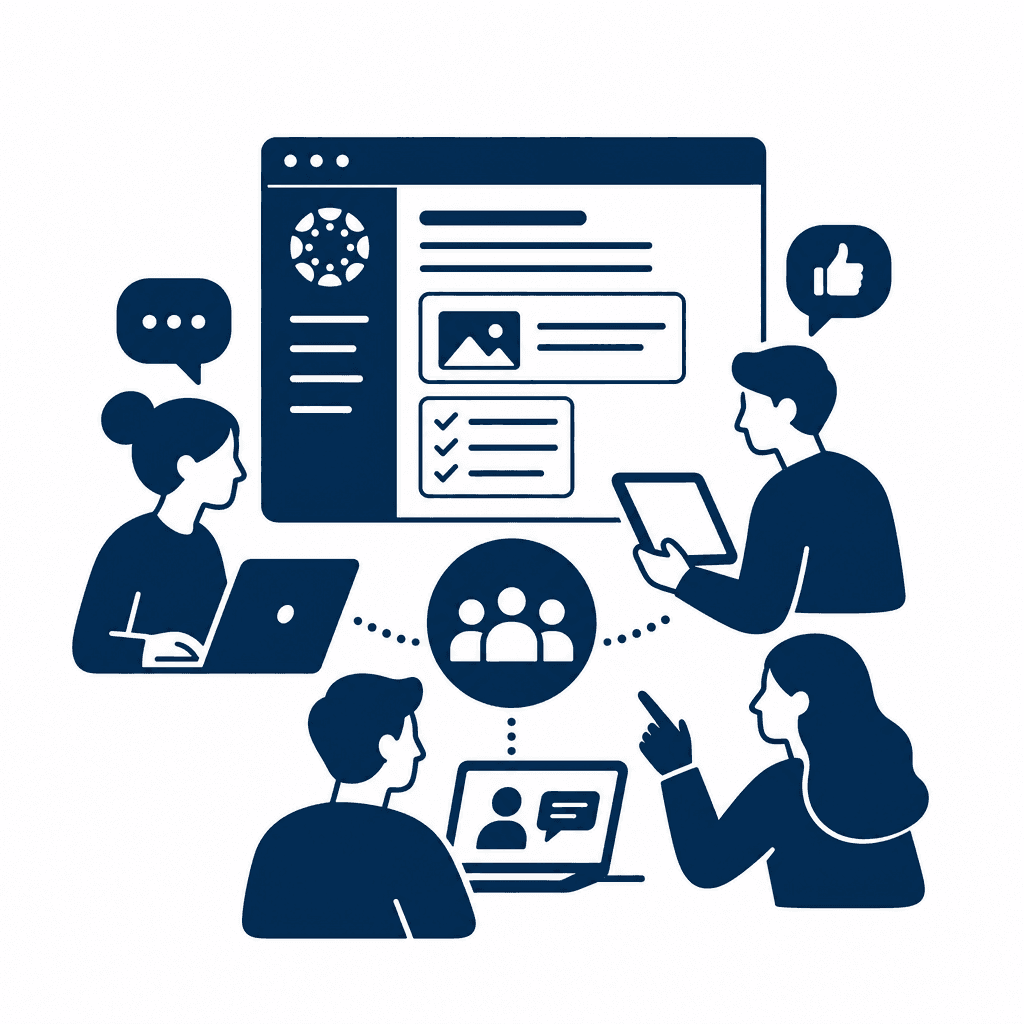
Collaborative learning is a dynamic approach that allows students to engage in collective problem-solving and knowledge creation. It transcends traditional individual learning by fostering active participation in group activities, where students can draw on each other’s strengths and perspectives. In the context of online education, particularly within the Canvas LMS, collaborative learning is critical. It enhances critical thinking and communication skills, which are essential for academic success and invaluable in the workplace. The benefits of collaborative learning extend beyond mere academics. When students work together, they develop a sense of belonging and build interpersonal skills that prepare them for real-world challenges. For example, engaging in group projects cultivates teamwork and helps students learn to navigate diverse viewpoints, essential in a globalized job market. Furthermore, the ability to provide and receive constructive feedback within a collaborative framework reinforces the learning experience. In this sense, collaborative learning in Canvas not only strengthens academic retention but also equips students with competencies that translate into effective communication, adaptability, and problem-solving in their future careers. This holistic learning approach establishes a foundation for lifelong learning, ensuring students are well-prepared to meet the demands of their professional lives.
Leveraging Canvas Groups for Enhanced Interaction
Leveraging Canvas Groups for Enhanced Interaction Canvas groups are a powerful tool for enhancing collaborative learning experiences in the online education environment. By creating dedicated spaces for students to engage, educators can foster deeper interactions and build a sense of community. Each group within Canvas comes equipped with features that include shared documents, discussion boards, and assignment submission areas, all designed to streamline group collaboration. To effectively utilize Canvas groups, educators must consider thoughtful strategies for grouping students. Consider forming groups based on shared interests, diverse skill sets, or project themes to encourage an inclusive atmosphere where every voice is heard. Once groups are established, structuring activities around cooperative tasks, such as group projects or problem-solving challenges, can significantly increase engagement and productivity. Incorporating tools like Canvas Collaborations allows students to co-edit shared documents in real-time, promoting instant feedback and idea exchange. Additionally, utilizing the discussion area encourages ongoing dialogue, leading to richer content delivery. By fostering an environment of active participation through group activities, educators can not only enhance online engagement but also cultivate essential teamwork and communication skills vital for students' future success.
The Power of Peer Review in Learning
The implementation of peer review within the Canvas LMS serves as a powerful collaborative learning strategy, offering students the chance to engage actively with their peers’ work. By fostering a culture of constructive feedback, peer review not only enhances individual assignments but also deepens comprehension of the subject matter through the evaluation process. When students assess their peers’ work, they are compelled to reflect critically on their own learning, thereby reinforcing their understanding.
To implement peer review effectively, it is essential to establish clear guidelines that outline expectations and criteria. This can be achieved by providing detailed instructions along with a rubric that defines key elements such as content quality, organization, and adherence to assignment guidelines. A well-structured rubric not only streamlines the evaluation process but also equips students with a consistent framework for their feedback.
Encouraging students to engage with their peers’ feedback can further enhance online engagement. Faculty can facilitate discussions around the feedback process, prompting students to ask questions and reflect on the critiques received. This dynamic interaction not only cultivates a supportive learning environment but also motivates students to invest more deeply in their own work and the work of others, thus enriching the overall educational experience.
Integrating External Tools for Collaboration
Integrating external tools within Canvas enhances collaborative learning by enabling real-time interaction and engagement among students. Tools like Google Docs and Padlet facilitate group activities and discussions that go beyond traditional methods, allowing students to contribute simultaneously and witness their peers' inputs in real time. This dynamic fosters an environment where ideas can blossom collectively. Google Docs is particularly beneficial for collaborative writing and brainstorming sessions. It allows multiple users to edit documents, providing features such as commenting and suggesting edits, which enrich the feedback process. Students can see changes as they happen, promoting a fluid exchange of ideas. Similarly, Padlet serves as a digital canvas where students can post and discuss their thoughts, images, or links, thus transforming the learning experience into a visually interactive one. The advantages of these tools include their user-friendly nature and accessibility; they encourage participation by catering to different learning styles. Integrating external tools not only enhances engagement but also provides an active learning experience that motivates students to take ownership of their learning journey. By leveraging these tools, educators can create a rich tapestry of collaborative learning that seamlessly integrates with project-based learning approaches.
Engaging Students with Project-Based Learning
Project-based learning (PBL) is a dynamic approach that empowers students to engage deeply with content while fostering collaboration within Canvas. This methodology positions students at the center of their learning experience, promoting not only knowledge acquisition but also the development of essential skills such as creativity and problem-solving. Unlike traditional learning, PBL allows students to tackle real-world problems, bridging the gap between theory and practice. When structuring projects in Canvas, it's crucial to design assessments that promote teamwork and active participation. Start with clearly defined objectives that align with course outcomes, ensuring students understand the relevance of their tasks. Employ group roles and responsibilities to facilitate collaboration, enabling students to leverage each other's strengths. Encourage the use of Canvas collaboration tools, such as group discussions and file sharing, to keep communication fluid and organized. Moreover, integrating peer feedback into the project cycle is invaluable. Encourage students to present their work-in-progress to peers for constructive critique, using Canvas’s peer review features. This not only enhances the quality of final submissions but also cultivates a collaborative spirit, making students feel invested in one another’s success. Through PBL, students not only learn content but also gain essential competencies in working collaboratively, preparing them for the complexities of the real world.
Fostering a Collaborative Learning Environment
Creating a culture of collaboration in online courses is essential for enhancing student engagement and fostering deeper learning. One effective way to build community and trust is through structured icebreaker activities early in the course. These activities can include collaborative quizzes or introductory group discussions using Canvas’ built-in tools, which allow students to share interests and backgrounds. This initial interaction sets the tone for future collaboration. Continuous communication is also vital. Encourage students to utilize Canvas announcements and messages to create an open dialogue about course content and collaborative tasks. Regular check-ins can help maintain momentum and build accountability among students. Implementing peer feedback mechanisms, such as guided peer review assignments, reinforces the importance of constructive criticism and helps students develop critical thinking skills. Instructor involvement plays a crucial role in cultivating an inclusive atmosphere. Providing consistent, personalized feedback and participating in discussions models collaborative behavior and encourages students to engage more deeply with one another. By creating an environment where students feel valued and connected, online instructors can significantly enhance collaboration, leading to richer learning experiences and stronger community ties.
Conclusions
In conclusion, embracing collaborative learning methods within Canvas can significantly enhance the educational experience. By utilizing groups, peer feedback, and project-based assignments, educators can cultivate an engaging learning environment. These strategies not only improve understanding but also foster essential skills for students. Implementing these approaches will result in a more interactive and fulfilling educational journey.