Bridging the Blended Learning Gap Engaging Learners Between Canvas Sessions
Explore actionable strategies for instructional designers and educators to maintain student engagement and learning momentum during the empty room periods between live or synchronous blended learning sessions in Canvas. This guide will cover effective asynchronous activities, communication techniques, and content design practices.
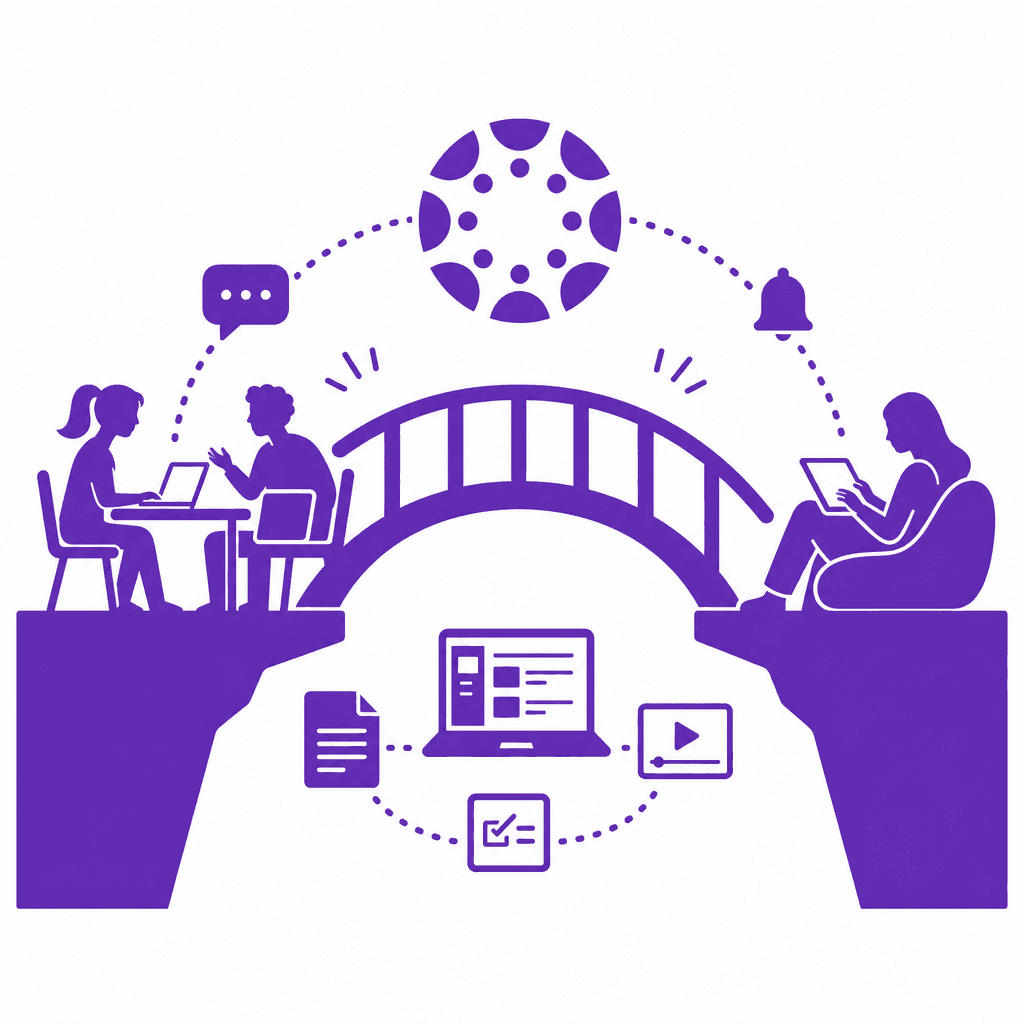
In an increasingly digital education landscape, maintaining student engagement during the 'empty room' periods between live sessions is crucial. This article explores effective strategies for instructional designers and educators to enhance learning momentum in blended learning environments, specifically within the Canvas LMS. We will delve into asynchronous activities, communication techniques, and sound course design practices to keep students engaged.
Understanding Blended Learning Dynamics
Understanding the dynamics of blended learning is essential for maximizing student engagement. Blended learning strategically intertwines face-to-face interactions with online instruction to create a comprehensive educational experience. Each modality brings unique benefits, and seamless transitions between synchronous and asynchronous sessions are critical in maintaining learner momentum. Recognizing these transition phases helps educators identify potential engagement pitfalls. During empty room periods in Canvas, shifts from live discussions to independent study can bewilder students if not adequately bridged. It’s crucial to understand that these dynamics greatly influence student motivation and retention. Learners often grapple with maintaining focus when the immediacy of live interaction disappears. By crafting a learning experience that acknowledges these phases—emphasizing continuity and connection—educators can foster an environment where students remain actively involved. Key factors like perceived relevance of tasks, the diversity of instructional methods, and the degree of interactivity greatly enhance learner engagement in blended environments. By integrating engaging asynchronous strategies, educators can ensure that students remain invested in their learning journey and feel a sense of belonging within the broader instructional framework.
Strategies for Enhancing Asynchronous Engagement
To enhance student engagement between live sessions, educators must leverage asynchronous activities that promote meaningful learning experiences. Effective strategies include utilizing discussion boards, reflective assignments, and interactive multimedia content. Discussion boards can foster a vibrant community where students exchange ideas and insights. By posing thought-provoking questions related to course materials, instructors encourage students to articulate their perspectives, thereby deepening their understanding. It's essential to create prompts that are relevant and thought-provoking, ensuring every voice feels valued. Reflective assignments serve to consolidate learning. Encouraging students to express their thoughts on what they have learned or how the material relates to real-world applications can enhance retention and personal connection to the subject matter. Timely prompts can inspire students to think critically about their learning journey. Incorporating interactive multimedia content—such as videos, podcasts, or interactive simulations—can cater to diverse learning styles and maintain student interest. These resources should be integrated seamlessly into the course content, providing varied pathways for exploration that resonate with learners. By crafting diverse and meaningful tasks, educators can foster a continuous cycle of involvement, ensuring that students remain engaged and motivated throughout the course, even during the periods between live sessions in Canvas.
Effective Communication Techniques
Effective communication techniques play a crucial role in sustaining student engagement in blended learning environments. When learners transition between synchronous sessions, transparent and timely communication can significantly reduce feelings of isolation that often accompany asynchronous learning. Regular feedback is one fundamental technique; providing students with constructive assessments on their contributions not only encourages ongoing participation but also guides them in improving their understanding. Additionally, the implementation of virtual office hours can foster a sense of community and accessibility. These designated times allow students to engage in dialogue with instructors, clarifying concepts and discussing assignments in a manner reminiscent of traditional classrooms. Instructors’ availability further assures students that support is always within reach, enhancing their motivation to dive into asynchronous activities. Structured peer interactions are another effective approach. By facilitating peer feedback groups or group discussions on forums, students can share insights and foster connections, creating a collaborative atmosphere that mirrors live sessions. Encouraging dialogue among students not only deepens learning but also builds relationships that sustain engagement throughout the course. Therefore, a commitment to proactive communication strategies in a blended learning context enriches the educational experience, fostering an environment where every learner feels valued and supported.
Designing Content for Maximum Impact
In the design of asynchronous content within Canvas, focusing on modular structures is vital for maximizing impact. Breaking down course materials into manageable, smaller units allows students to progress at their own pace and fosters an easier understanding of complex topics. Each module should be equipped with objectives clearly aligned with learning outcomes, enabling students to grasp the purpose and relevance of their studies. Incorporating multimedia elements—videos, podcasts, and infographics—enhances engagement by catering to various learning styles. Visual learners benefit from graphics, while auditory learners may find videos and audio files more suitable. Thus, presenting information through diverse media not only enriches the learning experience but also caters to individual preferences, promoting deeper comprehension of content. Interactive elements, such as quizzes, polls, and discussion prompts, also play a significant role in maintaining momentum. These features not only encourage active participation but provide timely feedback, facilitating self-assessment. By designing content that resonates with learners and challenges them to engage with the material, educators create an environment where students are more likely to absorb and apply knowledge effectively, ultimately linking seamlessly to the upcoming focus on building a supportive online community.
Building a Supportive Online Community
Creating a vibrant and supportive online community is crucial in a blended learning environment, where students often navigate the learning journey both asynchronously and synchronously. Fostering a sense of community among learners helps bridge the gaps between live sessions, encouraging continuous engagement and collaboration. One effective approach is to implement **collaborative projects** that require students to work together, even when they aren’t in the same physical or virtual space. Assignments that prompt peer feedback allow students to learn from one another and cultivate a shared understanding of the subject matter. Additionally, integrating **group discussions** in Canvas forums encourages learners to express their thoughts and encourage responses, deepening their connection with course content and peers alike. Furthermore, enhancing **social presence** can significantly contribute to building community. Techniques such as encouraging students to create introductory videos, participate in icebreaker activities, or engage in informal ‘coffee chat’ sessions can make a significant difference. When learners feel connected to their peers, they are more likely to take risks in their learning and contribute actively, enriching the overall educational experience. Strong online communities not only elevate student engagement but create supportive networks where learners feel valued and motivated, ultimately leading to improved outcomes in blended learning.
Measuring Engagement and Adapting Strategies
Measuring student engagement in blended learning environments is crucial for evaluating the effectiveness of instructional strategies and asynchronous activities. To gauge participation and learning outcomes, educators can utilize a range of tools and metrics. Learning Management Systems like Canvas provide built-in analytics that track student activity, such as logins, time spent on various content, and completion rates of assignments. These metrics allow educators to see patterns in engagement and identify students who may need additional support. Surveys and feedback forms can also provide qualitative insights into student perceptions and experiences. Regularly administered pulse surveys following asynchronous activities can reveal how engaging learners found the tasks, as well as areas for improvement. Additionally, monitoring discussion forum interactions can help gauge not only participation but the level of quality in contributions. It's critical to remain flexible and willing to adapt strategies based on engagement analytics. If a particular asynchronous activity is not resonating with students, consider revising it based on student feedback or observed patterns. By continuously measuring and adapting, educators can create a responsive learning environment that fosters sustained engagement throughout the course.
Conclusions
In summary, bridging the engagement gap in blended learning environments is essential for maintaining student motivation. By implementing effective asynchronous activities, leveraging communication strategies, and focusing on thoughtful course design, educators can create a more cohesive learning experience. Ultimately, these methods empower learners and enrich their educational journeys in Canvas and beyond.
Understanding Blended Learning Dynamics
Understanding the dynamics of blended learning is essential for maximizing student engagement. Blended learning strategically intertwines face-to-face interactions with online instruction to create a comprehensive educational experience. Each modality brings unique benefits, and seamless transitions between synchronous and asynchronous sessions are critical in maintaining learner momentum. Recognizing these transition phases helps educators identify potential engagement pitfalls. During empty room periods in Canvas, shifts from live discussions to independent study can bewilder students if not adequately bridged. It’s crucial to understand that these dynamics greatly influence student motivation and retention. Learners often grapple with maintaining focus when the immediacy of live interaction disappears. By crafting a learning experience that acknowledges these phases—emphasizing continuity and connection—educators can foster an environment where students remain actively involved. Key factors like perceived relevance of tasks, the diversity of instructional methods, and the degree of interactivity greatly enhance learner engagement in blended environments. By integrating engaging asynchronous strategies, educators can ensure that students remain invested in their learning journey and feel a sense of belonging within the broader instructional framework.
Strategies for Enhancing Asynchronous Engagement
To enhance student engagement between live sessions, educators must leverage asynchronous activities that promote meaningful learning experiences. Effective strategies include utilizing discussion boards, reflective assignments, and interactive multimedia content. Discussion boards can foster a vibrant community where students exchange ideas and insights. By posing thought-provoking questions related to course materials, instructors encourage students to articulate their perspectives, thereby deepening their understanding. It's essential to create prompts that are relevant and thought-provoking, ensuring every voice feels valued. Reflective assignments serve to consolidate learning. Encouraging students to express their thoughts on what they have learned or how the material relates to real-world applications can enhance retention and personal connection to the subject matter. Timely prompts can inspire students to think critically about their learning journey. Incorporating interactive multimedia content—such as videos, podcasts, or interactive simulations—can cater to diverse learning styles and maintain student interest. These resources should be integrated seamlessly into the course content, providing varied pathways for exploration that resonate with learners. By crafting diverse and meaningful tasks, educators can foster a continuous cycle of involvement, ensuring that students remain engaged and motivated throughout the course, even during the periods between live sessions in Canvas.
Effective Communication Techniques
Effective communication techniques play a crucial role in sustaining student engagement in blended learning environments. When learners transition between synchronous sessions, transparent and timely communication can significantly reduce feelings of isolation that often accompany asynchronous learning. Regular feedback is one fundamental technique; providing students with constructive assessments on their contributions not only encourages ongoing participation but also guides them in improving their understanding. Additionally, the implementation of virtual office hours can foster a sense of community and accessibility. These designated times allow students to engage in dialogue with instructors, clarifying concepts and discussing assignments in a manner reminiscent of traditional classrooms. Instructors’ availability further assures students that support is always within reach, enhancing their motivation to dive into asynchronous activities. Structured peer interactions are another effective approach. By facilitating peer feedback groups or group discussions on forums, students can share insights and foster connections, creating a collaborative atmosphere that mirrors live sessions. Encouraging dialogue among students not only deepens learning but also builds relationships that sustain engagement throughout the course. Therefore, a commitment to proactive communication strategies in a blended learning context enriches the educational experience, fostering an environment where every learner feels valued and supported.
Designing Content for Maximum Impact
In the design of asynchronous content within Canvas, focusing on modular structures is vital for maximizing impact. Breaking down course materials into manageable, smaller units allows students to progress at their own pace and fosters an easier understanding of complex topics. Each module should be equipped with objectives clearly aligned with learning outcomes, enabling students to grasp the purpose and relevance of their studies. Incorporating multimedia elements—videos, podcasts, and infographics—enhances engagement by catering to various learning styles. Visual learners benefit from graphics, while auditory learners may find videos and audio files more suitable. Thus, presenting information through diverse media not only enriches the learning experience but also caters to individual preferences, promoting deeper comprehension of content. Interactive elements, such as quizzes, polls, and discussion prompts, also play a significant role in maintaining momentum. These features not only encourage active participation but provide timely feedback, facilitating self-assessment. By designing content that resonates with learners and challenges them to engage with the material, educators create an environment where students are more likely to absorb and apply knowledge effectively, ultimately linking seamlessly to the upcoming focus on building a supportive online community.
Building a Supportive Online Community
Creating a vibrant and supportive online community is crucial in a blended learning environment, where students often navigate the learning journey both asynchronously and synchronously. Fostering a sense of community among learners helps bridge the gaps between live sessions, encouraging continuous engagement and collaboration. One effective approach is to implement **collaborative projects** that require students to work together, even when they aren’t in the same physical or virtual space. Assignments that prompt peer feedback allow students to learn from one another and cultivate a shared understanding of the subject matter. Additionally, integrating **group discussions** in Canvas forums encourages learners to express their thoughts and encourage responses, deepening their connection with course content and peers alike. Furthermore, enhancing **social presence** can significantly contribute to building community. Techniques such as encouraging students to create introductory videos, participate in icebreaker activities, or engage in informal ‘coffee chat’ sessions can make a significant difference. When learners feel connected to their peers, they are more likely to take risks in their learning and contribute actively, enriching the overall educational experience. Strong online communities not only elevate student engagement but create supportive networks where learners feel valued and motivated, ultimately leading to improved outcomes in blended learning.
Measuring Engagement and Adapting Strategies
Measuring student engagement in blended learning environments is crucial for evaluating the effectiveness of instructional strategies and asynchronous activities. To gauge participation and learning outcomes, educators can utilize a range of tools and metrics. Learning Management Systems like Canvas provide built-in analytics that track student activity, such as logins, time spent on various content, and completion rates of assignments. These metrics allow educators to see patterns in engagement and identify students who may need additional support. Surveys and feedback forms can also provide qualitative insights into student perceptions and experiences. Regularly administered pulse surveys following asynchronous activities can reveal how engaging learners found the tasks, as well as areas for improvement. Additionally, monitoring discussion forum interactions can help gauge not only participation but the level of quality in contributions. It's critical to remain flexible and willing to adapt strategies based on engagement analytics. If a particular asynchronous activity is not resonating with students, consider revising it based on student feedback or observed patterns. By continuously measuring and adapting, educators can create a responsive learning environment that fosters sustained engagement throughout the course.
Conclusions
In summary, bridging the engagement gap in blended learning environments is essential for maintaining student motivation. By implementing effective asynchronous activities, leveraging communication strategies, and focusing on thoughtful course design, educators can create a more cohesive learning experience. Ultimately, these methods empower learners and enrich their educational journeys in Canvas and beyond.