Building a Unified Learning Ecosystem in Canvas: Integrating AI and New Partnerships for Seamless Instruction
This article provides practical strategies for Canvas LMS administrators and instructional designers to leverage new partnerships and integrated AI capabilities to create a truly unified and efficient learning environment. Learn how to move beyond disconnected tools and foster a cohesive educational experience by strategically integrating diverse edtech within the Canvas ecosystem.
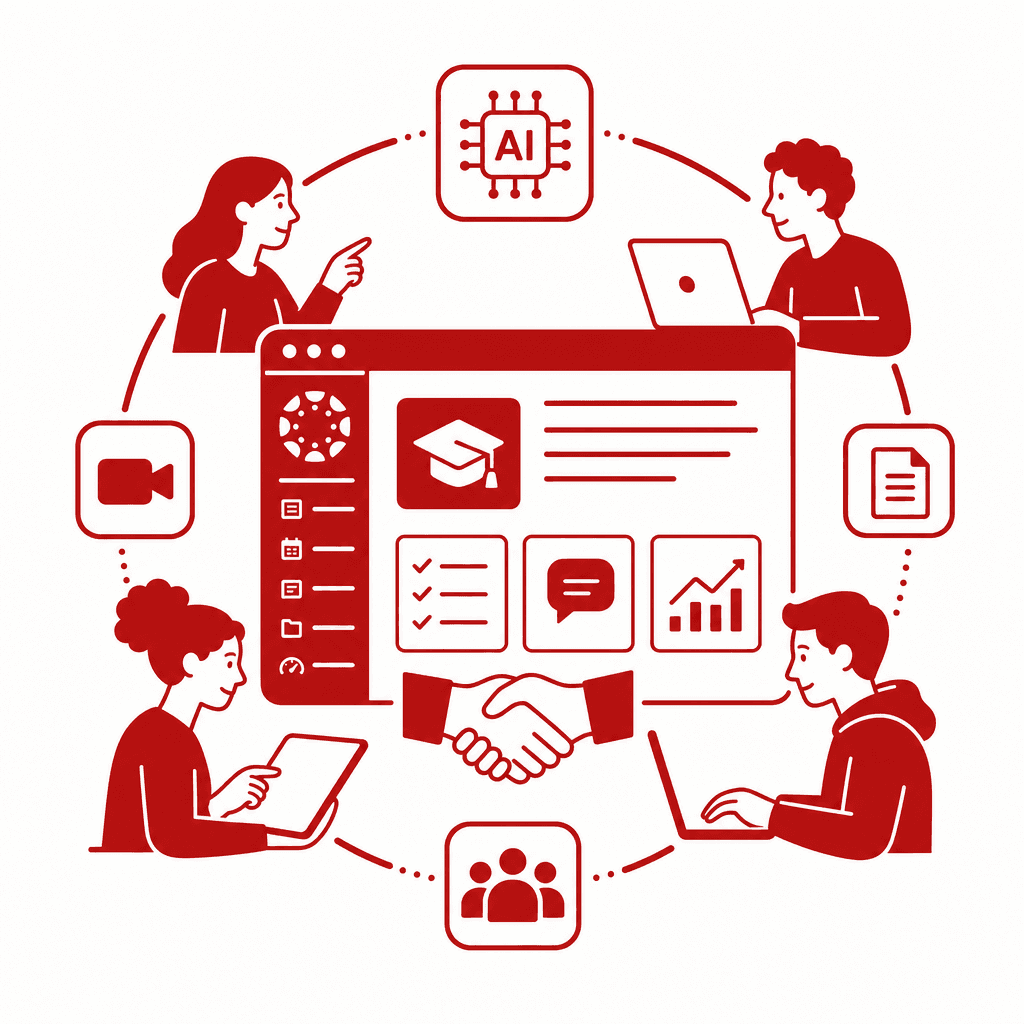
In today's digital learning landscape, the integration of AI and edtech within learning management systems (LMS) like Canvas is paramount for educational success. This article explores practical strategies for creating a unified learning ecosystem that enhances both instructional design and administrative efficiency, ensuring a seamless educational experience for students and educators alike.
Understanding the Importance of a Unified Learning Ecosystem
In education, a unified learning ecosystem is pivotal for creating rich, coherent, and productive learning experiences. Within this framework, platforms like the Canvas LMS serve as essential hubs that integrate diverse educational technologies, resources, and strategies. Disparate systems—often characterized by isolated tools and applications—can result in fragmentation, detracting from the learning experience. Students may struggle to connect key resources, while educators encounter challenges in managing multiple platforms, leading to inefficiencies and a lack of engagement. Moreover, a lack of integration can hinder collaboration among instructors and support services, making it difficult to provide consistent and timely feedback. By linking tools seamlessly within the Canvas ecosystem, institutions can foster a more cohesive educational environment. This can lead to improved communication among stakeholders and a more holistic understanding of student progress. The integration of AI and strategic partnerships advances this idea further. AI-driven tools can offer real-time insights into student performance, enhance collaboration, and adapt instructional methods to diverse learning needs. By creating a unified system, educational institutions can enrich the student experience, ensuring that learning is not merely a series of disconnected events but a fluid and engaging journey.
Leveraging AI to Personalize Learning Experiences
Artificial intelligence (AI) can profoundly enhance learning experiences within the Canvas LMS by enabling more personalized and engaging educational pathways. One of the key benefits of integrating AI into Canvas is its capability for predictive analytics, which helps educators identify at-risk students and tailor interventions accordingly. By analyzing data from student interactions, performance trends, and engagement metrics, Canvas can provide real-time insights that drive timely instructional adjustments. Additionally, personalized learning pathways can be devised through AI algorithms that adapt the curriculum based on individual learner needs, preferences, and pacing. This means that as students progress, the system dynamically curates resources and activities that align with their unique strengths and areas for improvement, thereby facilitating mastery of content. AI-driven feedback mechanisms serve as another crucial element in enhancing instructional design. These tools can automate formative assessments, offering instant feedback to students and aiding instructors in evaluating overall class performance. For example, integrating an AI-powered writing assistant within Canvas can provide students with constructive feedback on their assignments, ultimately improving their writing skills and boosting confidence. By thoughtfully incorporating these AI technologies, Canvas not only streamlines the learning experience but also fosters a more interconnected and adaptive educational environment that supports the diverse needs of all students.
Choosing the Right Edtech Partnerships for Canvas
Choosing the right edtech partnerships is crucial for enhancing the Canvas LMS experience. Administrators and instructional designers should prioritize alignments between potential partners and their institution's goals to ensure strategic coherence. A thorough evaluation of how each partnership can reinforce educational outcomes is essential. For instance, a partner offering analytics tools that provide deep insights into student engagement can align perfectly with an institution that aims to enhance retention rates. Interoperability is another critical criterion. Edtech tools must seamlessly integrate with Canvas to eliminate silos and streamline workflows. Compatibility with Learning Tools Interoperability (LTI) standards is a significant aspect to consider, as this ensures smooth data exchange and functionality. For example, a partnership with a formative assessment vendor that easily connects with Canvas can enrich learning by providing instantaneous feedback. Moreover, robust support from edtech partners cannot be overlooked. Institutions benefit from partners who not only offer technological solutions but also provide comprehensive training and ongoing assistance. Successful collaborations, such as those between Canvas and platforms like Turnitin or Kaltura, illustrate the strength of well-aligned partnerships. These integrations have led to enriched instructional design and substantial improvements in learning outcomes, reinforcing the value of thoughtful edtech selection in fostering a unified learning ecosystem.
Integrating Diverse Tools for Seamless Instruction
Integrating a variety of educational tools within the Canvas ecosystem can greatly enhance instructional delivery and learner engagement. To ensure seamless integration, it is essential to prioritize interoperability among tools, thereby allowing data sharing and communication without complications. Administrators should invest in establishing standards such as LTI (Learning Tools Interoperability), which facilitates smooth connections between Canvas and third-party applications. Training staff effectively is another cornerstone of successful integration. Investing in comprehensive professional development sessions can empower educators to utilize integrated tools confidently. Instructional designers play a critical role here, curating training resources tailored to specific tools while providing teaching strategies that combine multiple technologies. Creating user-friendly interfaces is also crucial; a clutter-free, intuitive design can aid in fostering a cohesive learning experience, encouraging user engagement and reducing frustration. Moreover, regular feedback from users must be solicited to continually refine these integrated tools. By highly considering user input, instructional designers can adapt resources to better meet learner needs. Such thoughtful integration will transform Canvas into a truly unified platform, promoting a more effective and enjoyable educational environment for all stakeholders.
Fostering an Adaptive Learning Environment
Fostering an adaptive learning environment is essential when integrating AI and edtech within the Canvas ecosystem. As educational demands evolve, so must our approaches to instruction. Adaptability allows educators to respond dynamically to diverse learner needs, preferences, and pacing. Feedback loops play a pivotal role in this process, enabling continuous improvement in instructional design. By systematically collecting data on learner performance and engagement, administrators and instructional designers can make informed adjustments to course content and delivery methods. Canvas supports this adaptive learning culture through its robust analytics capabilities that monitor student interactions and progress. With AI tools integrated into the platform, educators can gain insights into individual learner challenges and strengths, making it easier to tailor instructional strategies. For example, analytics can highlight when students struggle with particular concepts, prompting timely interventions or resource modifications. Furthermore, fostering adaptability involves collaboration across departments to ensure that feedback from learners informs ongoing program development. Emphasizing a culture of iterative improvement not only enhances individual learning experiences but also cultivates a responsive educational community that thrives on innovation and user-centered design. This cohesive approach will ultimately lead to a more effective and integrated learning ecosystem in Canvas.
Evaluating the Success of Your Unified Ecosystem
To evaluate the success of a unified learning ecosystem in Canvas, it is essential to implement a robust framework that captures various performance metrics. By focusing on key performance indicators (KPIs), institutions can gain valuable insights into the effectiveness of their integrations. Metrics such as course completion rates, engagement levels, and the frequency of tool usage can reveal how well the ecosystem meets educational goals. User satisfaction surveys play a critical role in this evaluation process. Gathering input from both instructors and students can highlight areas for improvement and provide a qualitative assessment of the user experience within Canvas. Questions should focus on ease of use, the effectiveness of AI tools, and the perceived value of integrated partnerships. Learning outcomes assessments are pivotal to measuring the tangible impact of the unified ecosystem. By analyzing student performance data before and after implementing AI and integrated edtech, administrators can determine the necessity of further adjustments. Encouraging ongoing evaluation and adjustment strategies ensures that the learning ecosystem evolves to meet changing educational needs. Regular review sessions with stakeholders can foster a culture of continuous improvement, ultimately facilitating sustained success in educational outcomes.
Conclusions
In conclusion, building a unified learning ecosystem within Canvas requires strategic integration of AI and collaborative partnerships. By fostering efficient communication between diverse edtech tools and enhancing user experience, educational institutions can significantly improve both teaching and learning outcomes. Embracing these strategies will pave the way for a more cohesive and effective educational environment.
Understanding the Importance of a Unified Learning Ecosystem
In education, a unified learning ecosystem is pivotal for creating rich, coherent, and productive learning experiences. Within this framework, platforms like the Canvas LMS serve as essential hubs that integrate diverse educational technologies, resources, and strategies. Disparate systems—often characterized by isolated tools and applications—can result in fragmentation, detracting from the learning experience. Students may struggle to connect key resources, while educators encounter challenges in managing multiple platforms, leading to inefficiencies and a lack of engagement. Moreover, a lack of integration can hinder collaboration among instructors and support services, making it difficult to provide consistent and timely feedback. By linking tools seamlessly within the Canvas ecosystem, institutions can foster a more cohesive educational environment. This can lead to improved communication among stakeholders and a more holistic understanding of student progress. The integration of AI and strategic partnerships advances this idea further. AI-driven tools can offer real-time insights into student performance, enhance collaboration, and adapt instructional methods to diverse learning needs. By creating a unified system, educational institutions can enrich the student experience, ensuring that learning is not merely a series of disconnected events but a fluid and engaging journey.
Leveraging AI to Personalize Learning Experiences
Artificial intelligence (AI) can profoundly enhance learning experiences within the Canvas LMS by enabling more personalized and engaging educational pathways. One of the key benefits of integrating AI into Canvas is its capability for predictive analytics, which helps educators identify at-risk students and tailor interventions accordingly. By analyzing data from student interactions, performance trends, and engagement metrics, Canvas can provide real-time insights that drive timely instructional adjustments. Additionally, personalized learning pathways can be devised through AI algorithms that adapt the curriculum based on individual learner needs, preferences, and pacing. This means that as students progress, the system dynamically curates resources and activities that align with their unique strengths and areas for improvement, thereby facilitating mastery of content. AI-driven feedback mechanisms serve as another crucial element in enhancing instructional design. These tools can automate formative assessments, offering instant feedback to students and aiding instructors in evaluating overall class performance. For example, integrating an AI-powered writing assistant within Canvas can provide students with constructive feedback on their assignments, ultimately improving their writing skills and boosting confidence. By thoughtfully incorporating these AI technologies, Canvas not only streamlines the learning experience but also fosters a more interconnected and adaptive educational environment that supports the diverse needs of all students.
Choosing the Right Edtech Partnerships for Canvas
Choosing the right edtech partnerships is crucial for enhancing the Canvas LMS experience. Administrators and instructional designers should prioritize alignments between potential partners and their institution's goals to ensure strategic coherence. A thorough evaluation of how each partnership can reinforce educational outcomes is essential. For instance, a partner offering analytics tools that provide deep insights into student engagement can align perfectly with an institution that aims to enhance retention rates. Interoperability is another critical criterion. Edtech tools must seamlessly integrate with Canvas to eliminate silos and streamline workflows. Compatibility with Learning Tools Interoperability (LTI) standards is a significant aspect to consider, as this ensures smooth data exchange and functionality. For example, a partnership with a formative assessment vendor that easily connects with Canvas can enrich learning by providing instantaneous feedback. Moreover, robust support from edtech partners cannot be overlooked. Institutions benefit from partners who not only offer technological solutions but also provide comprehensive training and ongoing assistance. Successful collaborations, such as those between Canvas and platforms like Turnitin or Kaltura, illustrate the strength of well-aligned partnerships. These integrations have led to enriched instructional design and substantial improvements in learning outcomes, reinforcing the value of thoughtful edtech selection in fostering a unified learning ecosystem.
Integrating Diverse Tools for Seamless Instruction
Integrating a variety of educational tools within the Canvas ecosystem can greatly enhance instructional delivery and learner engagement. To ensure seamless integration, it is essential to prioritize interoperability among tools, thereby allowing data sharing and communication without complications. Administrators should invest in establishing standards such as LTI (Learning Tools Interoperability), which facilitates smooth connections between Canvas and third-party applications. Training staff effectively is another cornerstone of successful integration. Investing in comprehensive professional development sessions can empower educators to utilize integrated tools confidently. Instructional designers play a critical role here, curating training resources tailored to specific tools while providing teaching strategies that combine multiple technologies. Creating user-friendly interfaces is also crucial; a clutter-free, intuitive design can aid in fostering a cohesive learning experience, encouraging user engagement and reducing frustration. Moreover, regular feedback from users must be solicited to continually refine these integrated tools. By highly considering user input, instructional designers can adapt resources to better meet learner needs. Such thoughtful integration will transform Canvas into a truly unified platform, promoting a more effective and enjoyable educational environment for all stakeholders.
Fostering an Adaptive Learning Environment
Fostering an adaptive learning environment is essential when integrating AI and edtech within the Canvas ecosystem. As educational demands evolve, so must our approaches to instruction. Adaptability allows educators to respond dynamically to diverse learner needs, preferences, and pacing. Feedback loops play a pivotal role in this process, enabling continuous improvement in instructional design. By systematically collecting data on learner performance and engagement, administrators and instructional designers can make informed adjustments to course content and delivery methods. Canvas supports this adaptive learning culture through its robust analytics capabilities that monitor student interactions and progress. With AI tools integrated into the platform, educators can gain insights into individual learner challenges and strengths, making it easier to tailor instructional strategies. For example, analytics can highlight when students struggle with particular concepts, prompting timely interventions or resource modifications. Furthermore, fostering adaptability involves collaboration across departments to ensure that feedback from learners informs ongoing program development. Emphasizing a culture of iterative improvement not only enhances individual learning experiences but also cultivates a responsive educational community that thrives on innovation and user-centered design. This cohesive approach will ultimately lead to a more effective and integrated learning ecosystem in Canvas.
Evaluating the Success of Your Unified Ecosystem
To evaluate the success of a unified learning ecosystem in Canvas, it is essential to implement a robust framework that captures various performance metrics. By focusing on key performance indicators (KPIs), institutions can gain valuable insights into the effectiveness of their integrations. Metrics such as course completion rates, engagement levels, and the frequency of tool usage can reveal how well the ecosystem meets educational goals. User satisfaction surveys play a critical role in this evaluation process. Gathering input from both instructors and students can highlight areas for improvement and provide a qualitative assessment of the user experience within Canvas. Questions should focus on ease of use, the effectiveness of AI tools, and the perceived value of integrated partnerships. Learning outcomes assessments are pivotal to measuring the tangible impact of the unified ecosystem. By analyzing student performance data before and after implementing AI and integrated edtech, administrators can determine the necessity of further adjustments. Encouraging ongoing evaluation and adjustment strategies ensures that the learning ecosystem evolves to meet changing educational needs. Regular review sessions with stakeholders can foster a culture of continuous improvement, ultimately facilitating sustained success in educational outcomes.
Conclusions
In conclusion, building a unified learning ecosystem within Canvas requires strategic integration of AI and collaborative partnerships. By fostering efficient communication between diverse edtech tools and enhancing user experience, educational institutions can significantly improve both teaching and learning outcomes. Embracing these strategies will pave the way for a more cohesive and effective educational environment.