Canvas Strategies for the 'Empty Room' - Maximizing Engagement Between Blended Sessions
The 'empty room' problem describes the challenge of maintaining student engagement and learning continuity during the asynchronous periods of blended courses. This guide provides practical Canvas LMS strategies and tools for educators to design effective activities, foster connection, and reinforce learning when students are not in live sessions.
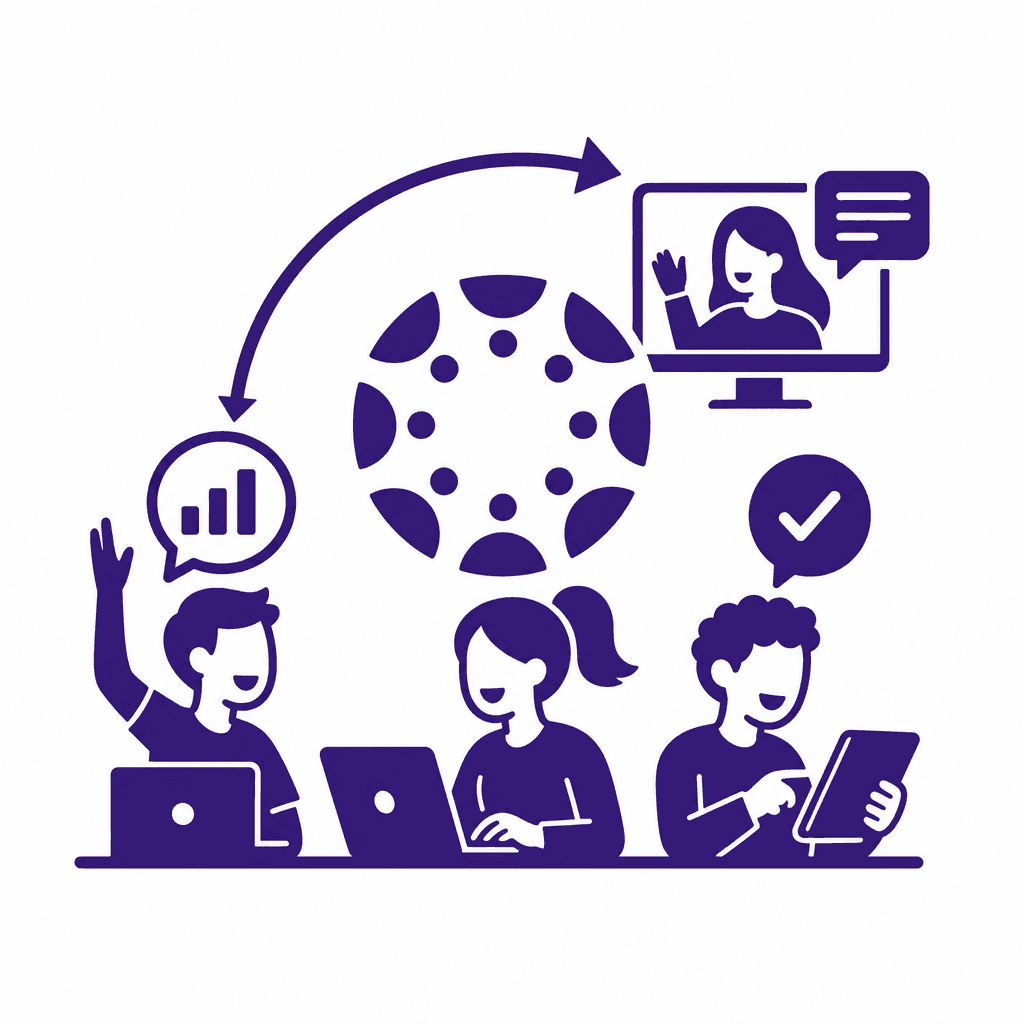
In blended learning environments, the challenge of sustaining student engagement during asynchronous periods can hinder learning outcomes. This article explores effective strategies using Canvas LMS tools to ensure continuous engagement and learning continuity. By implementing thoughtful course design, educators can transform the 'empty room' into a vibrant learning space, fostering connection and promoting active participation.
Understanding the Blended Learning Model
Blended learning merges traditional face-to-face classroom experiences with online components, creating a hybrid educational model that aims to enrich student engagement and promote deeper learning. The benefits of this approach include greater flexibility in learning, personalized pacing, and enhanced opportunities for collaboration. However, educators face significant challenges, particularly in maintaining student engagement during asynchronous periods. Without the regular structure of live sessions, students may feel disconnected or disengaged, leading to a decline in their motivation and learning efficacy. Key concepts include "asynchronous learning," which allows students to engage with course material on their schedule, and "learning continuity," which strives to ensure consistent educational progress regardless of the learning environment. A well-structured blended learning model provides intentional design that integrates interactive elements and fosters community, thereby enhancing student learning. By thoughtfully addressing the empty room problem, educators can leverage technology within the Canvas LMS to implement engaging strategies, encouraging communication and continuous learning. Thus, when blended learning is effectively designed, it can create a rich, dynamic educational ecosystem that bridges the gap between in-person and online learning experiences.
The Importance of Engaging Asynchronous Activities
Engaging students in asynchronous activities is vital for sustaining motivation and reinforcing learning continuity in blended courses. Effective asynchronous activities share several key characteristics: they are interactive, relevant, and community-focused. One way to achieve interactivity is through **discussion forums**, where students can express their thoughts, respond to peers, and engage in meaningful dialogues around course content. Encouraging diverse viewpoints not only elevates understanding but also fosters a sense of belonging. **Interactive quizzes** serve as another excellent tool to maintain engagement. These quizzes not only test knowledge but can also incorporate gamification elements, such as leaderboards or immediate feedback, which makes learning fun and competitive. **Collaborative projects** further enhance the learning experience by allowing students to work together asynchronously. Tools like shared documents or discussion boards can facilitate collaboration while encouraging peer accountability. Timely feedback is paramount in asynchronous learning environments; it ensures students feel connected to both their peers and instructors. Providing constructive feedback promptly helps reinforce their efforts, heightening their motivation to engage in future activities. Thus, thoughtfully designed asynchronous activities are essential to maintaining student engagement and ensuring a seamless learning experience.
Utilizing Canvas LMS Tools to Enhance Engagement
Utilizing the Canvas LMS tools effectively can substantially enhance student engagement in asynchronous learning environments. One primary tool is the **Assignments** feature. Educators can utilize it to create diverse task types, including essays, presentations, and projects that incorporate multimedia elements. For instance, instructors could design an assignment where students create a short video presentation on a given topic, encouraging creativity while ensuring comprehension. **Discussion boards** within Canvas serve as a vital avenue for peer interaction. Educators can set up themed discussion forums that relate back to synchronous sessions, prompting students to reflect on materials and engage with each other's insights. By utilizing prompts that require critical thinking or personal reflection, instructors can foster richer discussions. For example, after a live session on climate change, an instructor might ask students to share how local policies impact global issues. Furthermore, **multimedia integration** through Canvas is essential for appealing to various learning styles. Instructors can enrich course materials with videos, podcasts, and infographics, making content more dynamic. By embedding quizzes within these materials, they can instill interactivity that keeps students focused and encourages immediate application of concepts learned. By leveraging these tools, educators create an engaging asynchronous learning environment that bridges the gap between live sessions, maintaining learning momentum and connection among students.
Designing Activities that Promote Connection
Designing asynchronous activities that foster collaboration and connection among students is essential for overcoming the 'empty room' problem in blended learning. One effective strategy is to implement community-building exercises. For instance, educators can create icebreaker activities in the Canvas discussion boards where students share personal insights or reflections related to course themes. This not only promotes rapport but also sets a collaborative tone for future interactions. Peer feedback loops can significantly enhance learning outcomes. Assigning students to review each other's work encourages critical thinking and reflective practices. Educators can utilize Canvas assignments for peer review activities, allowing students to provide constructive feedback within a structured framework. This interaction helps students feel valued and connected while deepening their understanding of course material. Group projects are another powerful tool for fostering relationship-building. By assigning students to work in small teams on Canvas, they can engage in collaborative tasks that require communication and shared responsibility. Providing clear guidelines and a shared workspace within the LMS encourages teamwork and cultivates a sense of community. Creating a supportive online environment involves being proactive in communications. Educators should regularly check in with students, encouraging participation and addressing concerns. Additionally, establishing norms for respectful interaction will enhance a sense of belonging, which is critical for sustained engagement in asynchronous periods.
Assessing Learning and Engagement in Asynchronous Settings
In addressing the 'empty room' challenge, assessing learning and engagement during asynchronous periods is critical. Formative assessment techniques, such as quizzes and discussion boards, enable educators to gauge student understanding in real time. Incorporating low-stakes quizzes in Canvas allows instructors to identify knowledge gaps without the pressure of high-stakes testing. Meanwhile, discussion forums can facilitate peer interaction, promoting an ongoing dialogue that reinforces learning. Summative assessments, such as project submissions and reflective essays, provide a comprehensive evaluation of student progress. These assessments not only showcase student learning outcomes but also encourage deeper engagement with course material. By leveraging Canvas's grading tools, educators can offer timely, personalized feedback, which is essential for fostering a growth mindset among students. Moreover, utilizing Canvas analytics provides invaluable insights into student engagement levels. Tracking participation rates, assignment completions, and forum interactions offers a clearer picture of student activity. This data allows educators to tailor their teaching methods and identify students who may need additional support, ensuring that learning continuity is maintained even when live sessions have concluded. Through these strategic assessment techniques, educators can effectively measure and enhance student engagement in asynchronous settings.
Sustaining Engagement Beyond Live Sessions
Maintaining student engagement after live sessions is crucial for ensuring learning continuity in blended courses. One effective strategy is regular updates via Canvas announcements to keep students informed of upcoming tasks and deadlines. This consistent communication reduces the feeling of isolation during asynchronous periods and reminds students that they are part of an active learning community. To foster continuous interaction, consider implementing structured peer feedback opportunities. Create discussion threads where students can share insights or progress on assignments, encouraging dialogue. Additionally, re-engagement activities like weekly challenges or small quizzes can motivate students to participate actively between sessions. Utilize Canvas’s integrated tools to send reminders about these activities, which can be scheduled to recur as necessary. Incorporating multimedia content, such as short videos or podcasts related to course materials, can also engage students asynchronously. This enriches the learning experience and caters to diverse learning preferences, making it more likely for students to remain connected. Ultimately, by combining regular updates, peer interactions, re-engagement activities, and diverse content formats within Canvas, educators can keep the educational momentum alive and retain student interest beyond live sessions.
Conclusions
In summary, effective Canvas LMS strategies can address the 'empty room' problem by promoting engagement and continuity in blended learning courses. By thoughtfully designing asynchronous activities and fostering connections, educators can create a rich learning environment that thrives beyond live sessions. Embracing these strategies ensures students remain engaged and motivated throughout their educational journey.
Understanding the Blended Learning Model
Blended learning merges traditional face-to-face classroom experiences with online components, creating a hybrid educational model that aims to enrich student engagement and promote deeper learning. The benefits of this approach include greater flexibility in learning, personalized pacing, and enhanced opportunities for collaboration. However, educators face significant challenges, particularly in maintaining student engagement during asynchronous periods. Without the regular structure of live sessions, students may feel disconnected or disengaged, leading to a decline in their motivation and learning efficacy. Key concepts include "asynchronous learning," which allows students to engage with course material on their schedule, and "learning continuity," which strives to ensure consistent educational progress regardless of the learning environment. A well-structured blended learning model provides intentional design that integrates interactive elements and fosters community, thereby enhancing student learning. By thoughtfully addressing the empty room problem, educators can leverage technology within the Canvas LMS to implement engaging strategies, encouraging communication and continuous learning. Thus, when blended learning is effectively designed, it can create a rich, dynamic educational ecosystem that bridges the gap between in-person and online learning experiences.
The Importance of Engaging Asynchronous Activities
Engaging students in asynchronous activities is vital for sustaining motivation and reinforcing learning continuity in blended courses. Effective asynchronous activities share several key characteristics: they are interactive, relevant, and community-focused. One way to achieve interactivity is through **discussion forums**, where students can express their thoughts, respond to peers, and engage in meaningful dialogues around course content. Encouraging diverse viewpoints not only elevates understanding but also fosters a sense of belonging. **Interactive quizzes** serve as another excellent tool to maintain engagement. These quizzes not only test knowledge but can also incorporate gamification elements, such as leaderboards or immediate feedback, which makes learning fun and competitive. **Collaborative projects** further enhance the learning experience by allowing students to work together asynchronously. Tools like shared documents or discussion boards can facilitate collaboration while encouraging peer accountability. Timely feedback is paramount in asynchronous learning environments; it ensures students feel connected to both their peers and instructors. Providing constructive feedback promptly helps reinforce their efforts, heightening their motivation to engage in future activities. Thus, thoughtfully designed asynchronous activities are essential to maintaining student engagement and ensuring a seamless learning experience.
Utilizing Canvas LMS Tools to Enhance Engagement
Utilizing the Canvas LMS tools effectively can substantially enhance student engagement in asynchronous learning environments. One primary tool is the **Assignments** feature. Educators can utilize it to create diverse task types, including essays, presentations, and projects that incorporate multimedia elements. For instance, instructors could design an assignment where students create a short video presentation on a given topic, encouraging creativity while ensuring comprehension. **Discussion boards** within Canvas serve as a vital avenue for peer interaction. Educators can set up themed discussion forums that relate back to synchronous sessions, prompting students to reflect on materials and engage with each other's insights. By utilizing prompts that require critical thinking or personal reflection, instructors can foster richer discussions. For example, after a live session on climate change, an instructor might ask students to share how local policies impact global issues. Furthermore, **multimedia integration** through Canvas is essential for appealing to various learning styles. Instructors can enrich course materials with videos, podcasts, and infographics, making content more dynamic. By embedding quizzes within these materials, they can instill interactivity that keeps students focused and encourages immediate application of concepts learned. By leveraging these tools, educators create an engaging asynchronous learning environment that bridges the gap between live sessions, maintaining learning momentum and connection among students.
Designing Activities that Promote Connection
Designing asynchronous activities that foster collaboration and connection among students is essential for overcoming the 'empty room' problem in blended learning. One effective strategy is to implement community-building exercises. For instance, educators can create icebreaker activities in the Canvas discussion boards where students share personal insights or reflections related to course themes. This not only promotes rapport but also sets a collaborative tone for future interactions. Peer feedback loops can significantly enhance learning outcomes. Assigning students to review each other's work encourages critical thinking and reflective practices. Educators can utilize Canvas assignments for peer review activities, allowing students to provide constructive feedback within a structured framework. This interaction helps students feel valued and connected while deepening their understanding of course material. Group projects are another powerful tool for fostering relationship-building. By assigning students to work in small teams on Canvas, they can engage in collaborative tasks that require communication and shared responsibility. Providing clear guidelines and a shared workspace within the LMS encourages teamwork and cultivates a sense of community. Creating a supportive online environment involves being proactive in communications. Educators should regularly check in with students, encouraging participation and addressing concerns. Additionally, establishing norms for respectful interaction will enhance a sense of belonging, which is critical for sustained engagement in asynchronous periods.
Assessing Learning and Engagement in Asynchronous Settings
In addressing the 'empty room' challenge, assessing learning and engagement during asynchronous periods is critical. Formative assessment techniques, such as quizzes and discussion boards, enable educators to gauge student understanding in real time. Incorporating low-stakes quizzes in Canvas allows instructors to identify knowledge gaps without the pressure of high-stakes testing. Meanwhile, discussion forums can facilitate peer interaction, promoting an ongoing dialogue that reinforces learning. Summative assessments, such as project submissions and reflective essays, provide a comprehensive evaluation of student progress. These assessments not only showcase student learning outcomes but also encourage deeper engagement with course material. By leveraging Canvas's grading tools, educators can offer timely, personalized feedback, which is essential for fostering a growth mindset among students. Moreover, utilizing Canvas analytics provides invaluable insights into student engagement levels. Tracking participation rates, assignment completions, and forum interactions offers a clearer picture of student activity. This data allows educators to tailor their teaching methods and identify students who may need additional support, ensuring that learning continuity is maintained even when live sessions have concluded. Through these strategic assessment techniques, educators can effectively measure and enhance student engagement in asynchronous settings.
Sustaining Engagement Beyond Live Sessions
Maintaining student engagement after live sessions is crucial for ensuring learning continuity in blended courses. One effective strategy is regular updates via Canvas announcements to keep students informed of upcoming tasks and deadlines. This consistent communication reduces the feeling of isolation during asynchronous periods and reminds students that they are part of an active learning community. To foster continuous interaction, consider implementing structured peer feedback opportunities. Create discussion threads where students can share insights or progress on assignments, encouraging dialogue. Additionally, re-engagement activities like weekly challenges or small quizzes can motivate students to participate actively between sessions. Utilize Canvas’s integrated tools to send reminders about these activities, which can be scheduled to recur as necessary. Incorporating multimedia content, such as short videos or podcasts related to course materials, can also engage students asynchronously. This enriches the learning experience and caters to diverse learning preferences, making it more likely for students to remain connected. Ultimately, by combining regular updates, peer interactions, re-engagement activities, and diverse content formats within Canvas, educators can keep the educational momentum alive and retain student interest beyond live sessions.
Conclusions
In summary, effective Canvas LMS strategies can address the 'empty room' problem by promoting engagement and continuity in blended learning courses. By thoughtfully designing asynchronous activities and fostering connections, educators can create a rich learning environment that thrives beyond live sessions. Embracing these strategies ensures students remain engaged and motivated throughout their educational journey.