
Designing Adaptive Learning Experiences in Canvas with Agentic AI
Explore how educators and instructional designers can leverage agentic AI to create personalized and adaptive learning pathways, dynamic content, and intelligent feedback mechanisms directly within the Canvas LMS, moving beyond static content to truly responsive learning environments.
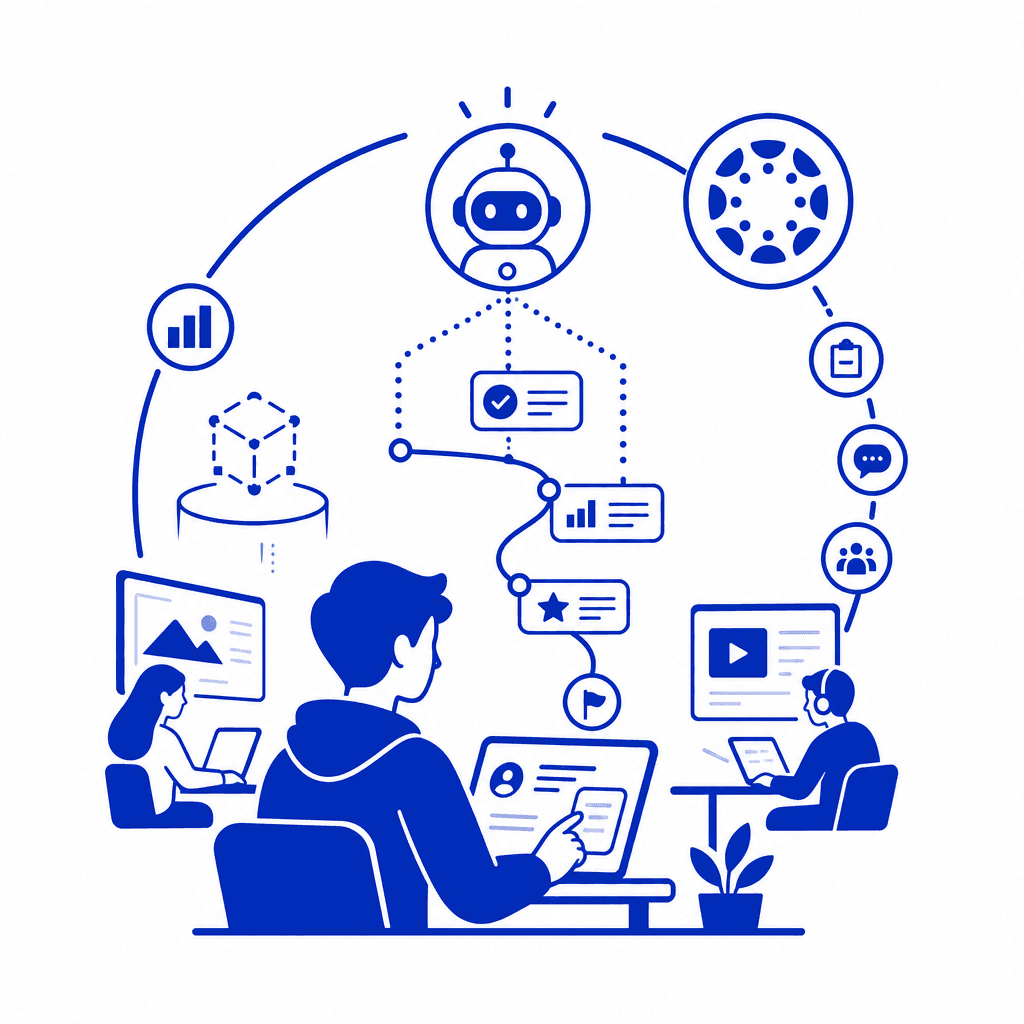
In today's educational landscape, leveraging technology is imperative for creating engaging and effective learning experiences. This article delves into agentic AI's potential within the Canvas LMS to foster personalized learning environments that adapt in real time based on individual learner needs. We will explore methods for designing such adaptive learning experiences, facilitating dynamic content delivery, and providing intelligent feedback.
Understanding Agentic AI
Agentic AI refers to artificial intelligence systems that possess autonomous capabilities to act on behalf of users while maintaining a strong focus on user agency. In educational settings, agentic AI is particularly significant because it empowers learners to take control of their own learning experiences, personalizing interactions and pathways in a way that static content cannot achieve. One of the hallmark characteristics of agentic AI is its adaptability. It can analyze individual learner behaviors, preferences, and performance metrics to generate tailored educational experiences. For instance, an agentic AI integrated into a platform like Canvas LMS can provide custom resources or activities based on a student’s progress and engagement. This bespoke approach not only keeps learners motivated but also allows them to make informed choices about their learning trajectories. Moreover, agentic AI can facilitate engagement through interactive tools such as chatbots or recommendation systems. These tools can pose questions, suggest resources, or prompt discussions, ultimately fostering a richer learning environment. By promoting learner agency and dynamic feedback, agentic AI can lead to more effective learning outcomes, allowing students to take ownership of their educational journeys.
The Role of Adaptive Learning
Adaptive learning represents a transformative approach in educational design, enabling personalized experiences that cater to individual learner needs and capabilities. By harnessing data analytics and learner interactions, adaptive learning systems adjust the pace, level, and style of content delivery, thereby fostering a deeper understanding and improved retention of knowledge. At the core of adaptive learning is the premise that each learner is unique. This method not only responds to a student's proficiency level but also considers their preferred learning approach. As a result, learners receive tailored pathways that challenge them appropriately, ensuring that they are neither bored by simplicity nor overwhelmed by complexity. Existing adaptive learning frameworks, such as the Intelligent Tutoring Systems (ITS) and research-backed models like Bloom's Taxonomy, emphasize the need for responsive educational environments. These systems analyze real-time data reflecting learner engagement and performance, enabling dynamic adjustments in content and instruction. Benefits of adopting adaptive learning include increased motivation, enhanced learner confidence, and greater overall achievement. As educators design courses with adaptive elements, they cultivate not merely informed learners, but critical thinkers equipped for lifelong learning in a rapidly changing world.
Integrating Agentic AI with Canvas LMS
Integrating agentic AI into the Canvas LMS opens a new frontier for personalized and adaptive learning experiences. Canvas is equipped with functionalities such as course modules, quizzes, discussion boards, and integrated grading systems, which, when combined with agentic AI, can transform static course content into dynamic learning environments. Educators can leverage these tools to provide tailored content that responds not only to student performance but also to their learning preferences. For instance, agentic AI can analyze student interactions within Canvas and create a learner profile that reflects individual strengths, weaknesses, and engagement levels. This data can drive adaptive pathways, where the content adjusts according to real-time assessments of student understanding. By utilizing Canvas’s features like Learning Outcomes and MasteryPaths, educators can design courses that automatically present supplementary resources or alternative assessments based on a learner’s progress. Moreover, intelligent feedback mechanisms powered by AI can deliver instant, relevant insights to students. Instead of delayed responses, learners can receive immediate suggestions for improvement, reflective prompts, or resources tailored to their unique needs. By harnessing agentic AI within the Canvas LMS, educators are empowered to create rich, personalized interactions that promote deeper learning and engagement.
Designing Personalized Learning Pathways
Educators and instructional designers can create personalized learning pathways using agentic AI in the Canvas LMS by employing targeted strategies that enhance learner profiling, content customization, and adaptive feedback mechanisms. By leveraging data analytics within the platform, instructors can develop detailed learner profiles that observe individual strengths, interests, and learning preferences. This comprehensive understanding allows for tailored content that aligns with each student's unique trajectory. For instance, a learner interested in environmental science could be guided through a customized pathway that offers resources and assignments specific to their interests, such as exploring real-world case studies or engaging in simulation tasks related to sustainability practices. Adaptive feedback mechanisms enabled by agentic AI are crucial for ensuring that learners receive timely, context-specific responses to their efforts, making corrections or encouragement to support their progress effectively. Additionally, utilizing AI to analyze learners' interactions and performance can inform adjustments to learning pathways, enhancing both engagement and effectiveness. A student struggling with a concept might receive alternative resources or suggestions to seek peer support, ensuring that diverse learner goals and needs are met. This dynamic approach fosters a truly responsive learning environment that nurtures individual growth within the Canvas LMS.
Creating Dynamic Content and Resources
Creating dynamic content in the Canvas LMS enhances learner engagement by weaving real-world applications into the educational fabric. Educators can employ multimedia resources, such as videos, podcasts, and interactive simulations, to create a vibrant learning experience. By integrating these elements into the course design, teachers can present complex concepts through various lenses, catering to different learning styles. Furthermore, interactive tasks—like problem-solving activities or scenario-based learning—prompt students to apply theory in practical contexts. For example, in a business class, students could engage in a role-playing task where they negotiate contracts, making learning both relevant and immersive. Agentic AI plays a crucial role in curating and customizing these resources. By analyzing student interactions and preferences, AI can suggest content that aligns with learners’ interests and needs, ensuring each resource remains pertinent. Collaborative projects foster peer-to-peer learning and facilitate the sharing of diverse perspectives. The incorporation of team-based assignments, coordinated through Canvas, enables students to connect with others, simulate real-world collaboration, and take charge of their own learning process. This dynamic interplay between technology and pedagogical strategies cultivates a responsive educational environment that continuously adapts to the changing needs of learners.
Intelligent Feedback Mechanisms
Intelligent feedback mechanisms play a crucial role in the learning process, enhancing learner engagement and outcomes. By incorporating agentic AI within the Canvas LMS, educators can provide real-time feedback tailored to individual learner needs and performance levels. This immediate feedback loop fosters a more dynamic learning environment, allowing students to understand their strengths and areas for improvement on an ongoing basis. To effectively implement intelligent feedback mechanisms in Canvas, educators can utilize formative assessments and adaptive quizzes that adjust in difficulty based on student responses. For instance, an adaptive quiz can analyze a learner's answers in real time, presenting more challenging questions when they demonstrate mastery or providing additional support when they struggle. This approach not only personalizes the learning experience but also cultivates a sense of agency among learners, encouraging them to take ownership of their educational journey. Additionally, robust data analytics powered by AI can be leveraged to offer insightful feedback reports. These reports can highlight patterns in student performance, track learning progress, and suggest tailored resources or activities that align with each learner's unique pathway. Through these intelligent feedback mechanisms, instructors can cultivate a responsive learning environment that evolves alongside the learner, maximizing potential and fostering deep understanding.
Conclusions
In conclusion, integrating agentic AI within the Canvas LMS presents a transformative opportunity for educators and instructional designers. By creating adaptive learning experiences that personalize educational pathways, leverage dynamic content, and utilize intelligent feedback, we move towards a more responsive and engaging educational environment. Embracing these technologies will empower learners and enhance educational effectiveness.
Understanding Agentic AI
Agentic AI refers to artificial intelligence systems that possess autonomous capabilities to act on behalf of users while maintaining a strong focus on user agency. In educational settings, agentic AI is particularly significant because it empowers learners to take control of their own learning experiences, personalizing interactions and pathways in a way that static content cannot achieve. One of the hallmark characteristics of agentic AI is its adaptability. It can analyze individual learner behaviors, preferences, and performance metrics to generate tailored educational experiences. For instance, an agentic AI integrated into a platform like Canvas LMS can provide custom resources or activities based on a student’s progress and engagement. This bespoke approach not only keeps learners motivated but also allows them to make informed choices about their learning trajectories. Moreover, agentic AI can facilitate engagement through interactive tools such as chatbots or recommendation systems. These tools can pose questions, suggest resources, or prompt discussions, ultimately fostering a richer learning environment. By promoting learner agency and dynamic feedback, agentic AI can lead to more effective learning outcomes, allowing students to take ownership of their educational journeys.
The Role of Adaptive Learning
Adaptive learning represents a transformative approach in educational design, enabling personalized experiences that cater to individual learner needs and capabilities. By harnessing data analytics and learner interactions, adaptive learning systems adjust the pace, level, and style of content delivery, thereby fostering a deeper understanding and improved retention of knowledge. At the core of adaptive learning is the premise that each learner is unique. This method not only responds to a student's proficiency level but also considers their preferred learning approach. As a result, learners receive tailored pathways that challenge them appropriately, ensuring that they are neither bored by simplicity nor overwhelmed by complexity. Existing adaptive learning frameworks, such as the Intelligent Tutoring Systems (ITS) and research-backed models like Bloom's Taxonomy, emphasize the need for responsive educational environments. These systems analyze real-time data reflecting learner engagement and performance, enabling dynamic adjustments in content and instruction. Benefits of adopting adaptive learning include increased motivation, enhanced learner confidence, and greater overall achievement. As educators design courses with adaptive elements, they cultivate not merely informed learners, but critical thinkers equipped for lifelong learning in a rapidly changing world.
Integrating Agentic AI with Canvas LMS
Integrating agentic AI into the Canvas LMS opens a new frontier for personalized and adaptive learning experiences. Canvas is equipped with functionalities such as course modules, quizzes, discussion boards, and integrated grading systems, which, when combined with agentic AI, can transform static course content into dynamic learning environments. Educators can leverage these tools to provide tailored content that responds not only to student performance but also to their learning preferences. For instance, agentic AI can analyze student interactions within Canvas and create a learner profile that reflects individual strengths, weaknesses, and engagement levels. This data can drive adaptive pathways, where the content adjusts according to real-time assessments of student understanding. By utilizing Canvas’s features like Learning Outcomes and MasteryPaths, educators can design courses that automatically present supplementary resources or alternative assessments based on a learner’s progress. Moreover, intelligent feedback mechanisms powered by AI can deliver instant, relevant insights to students. Instead of delayed responses, learners can receive immediate suggestions for improvement, reflective prompts, or resources tailored to their unique needs. By harnessing agentic AI within the Canvas LMS, educators are empowered to create rich, personalized interactions that promote deeper learning and engagement.
Designing Personalized Learning Pathways
Educators and instructional designers can create personalized learning pathways using agentic AI in the Canvas LMS by employing targeted strategies that enhance learner profiling, content customization, and adaptive feedback mechanisms. By leveraging data analytics within the platform, instructors can develop detailed learner profiles that observe individual strengths, interests, and learning preferences. This comprehensive understanding allows for tailored content that aligns with each student's unique trajectory. For instance, a learner interested in environmental science could be guided through a customized pathway that offers resources and assignments specific to their interests, such as exploring real-world case studies or engaging in simulation tasks related to sustainability practices. Adaptive feedback mechanisms enabled by agentic AI are crucial for ensuring that learners receive timely, context-specific responses to their efforts, making corrections or encouragement to support their progress effectively. Additionally, utilizing AI to analyze learners' interactions and performance can inform adjustments to learning pathways, enhancing both engagement and effectiveness. A student struggling with a concept might receive alternative resources or suggestions to seek peer support, ensuring that diverse learner goals and needs are met. This dynamic approach fosters a truly responsive learning environment that nurtures individual growth within the Canvas LMS.
Creating Dynamic Content and Resources
Creating dynamic content in the Canvas LMS enhances learner engagement by weaving real-world applications into the educational fabric. Educators can employ multimedia resources, such as videos, podcasts, and interactive simulations, to create a vibrant learning experience. By integrating these elements into the course design, teachers can present complex concepts through various lenses, catering to different learning styles. Furthermore, interactive tasks—like problem-solving activities or scenario-based learning—prompt students to apply theory in practical contexts. For example, in a business class, students could engage in a role-playing task where they negotiate contracts, making learning both relevant and immersive. Agentic AI plays a crucial role in curating and customizing these resources. By analyzing student interactions and preferences, AI can suggest content that aligns with learners’ interests and needs, ensuring each resource remains pertinent. Collaborative projects foster peer-to-peer learning and facilitate the sharing of diverse perspectives. The incorporation of team-based assignments, coordinated through Canvas, enables students to connect with others, simulate real-world collaboration, and take charge of their own learning process. This dynamic interplay between technology and pedagogical strategies cultivates a responsive educational environment that continuously adapts to the changing needs of learners.
Intelligent Feedback Mechanisms
Intelligent feedback mechanisms play a crucial role in the learning process, enhancing learner engagement and outcomes. By incorporating agentic AI within the Canvas LMS, educators can provide real-time feedback tailored to individual learner needs and performance levels. This immediate feedback loop fosters a more dynamic learning environment, allowing students to understand their strengths and areas for improvement on an ongoing basis. To effectively implement intelligent feedback mechanisms in Canvas, educators can utilize formative assessments and adaptive quizzes that adjust in difficulty based on student responses. For instance, an adaptive quiz can analyze a learner's answers in real time, presenting more challenging questions when they demonstrate mastery or providing additional support when they struggle. This approach not only personalizes the learning experience but also cultivates a sense of agency among learners, encouraging them to take ownership of their educational journey. Additionally, robust data analytics powered by AI can be leveraged to offer insightful feedback reports. These reports can highlight patterns in student performance, track learning progress, and suggest tailored resources or activities that align with each learner's unique pathway. Through these intelligent feedback mechanisms, instructors can cultivate a responsive learning environment that evolves alongside the learner, maximizing potential and fostering deep understanding.
Conclusions
In conclusion, integrating agentic AI within the Canvas LMS presents a transformative opportunity for educators and instructional designers. By creating adaptive learning experiences that personalize educational pathways, leverage dynamic content, and utilize intelligent feedback, we move towards a more responsive and engaging educational environment. Embracing these technologies will empower learners and enhance educational effectiveness.