
Designing for Learning in a Restricted AI Environment K-12 Canvas Strategies
With many K-12 districts pausing or banning student-facing AI tools, educators and instructional designers need practical strategies to continue leveraging Canvas LMS for effective learning. This article will provide actionable tips for designing courses, assignments, and activities that align with district AI policies, focusing on fostering critical thinking and digital literacy without relying on external, restricted AI tools. It will cover how to structure assignments, communicate policies, and utilize Canvas's built-in features to promote academic integrity and meaningful engagement in a policy-constrained environment.
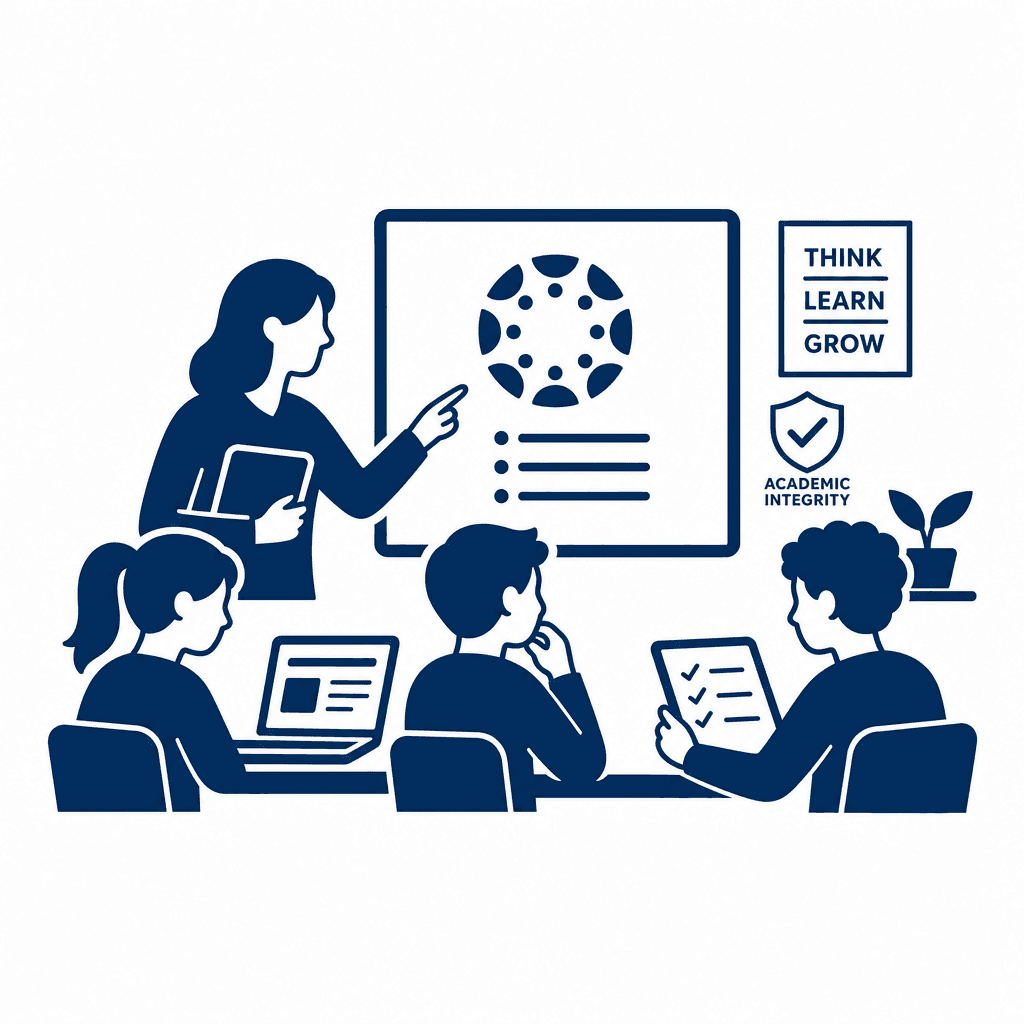
Understanding K-12 AI Policy Implications
The recent trend of K-12 districts pausing or banning student-facing AI tools stems from several critical concerns. Firstly, issues surrounding data privacy have made district leaders wary; the fear of student data being exploited or mishandled raises significant ethical questions. Furthermore, the prevalence of misinformation generated by AI systems can lead to students accepting false information as fact, undermining the quality of their learning experience. These concerns are amplified when considering the importance of academic integrity in an era where easy access to information can blur the lines between original thought and plagiarism. The implications of these policies are multifaceted. Educators must grapple with the challenge of fostering a learning environment that encourages critical thinking and creativity without reliance on restricted AI tools. This necessitates a shift in teaching approaches; educators become not only facilitators of content but also mentors guiding students through a landscape fraught with misinformation and ethical dilemmas. The design of learning experiences must prioritize skill-building in areas like digital literacy, empowering students to navigate the complexities of information critically and responsibly. Consequently, the role of educators is evolving, morphing from traditional knowledge dispensers into navigators of an increasingly complex educational ecosystem.
Leveraging Canvas LMS for Course Design
Educators can maximize the potential of Canvas LMS to design compelling courses, even under AI restrictions. The platform offers a range of features that support innovative educational practices while adhering to district policies. By utilizing **assignment templates**, educators can create structured, yet flexible tasks that foster engagement and critical thinking. These templates can incorporate step-by-step guidelines that clarify expectations without the need for AI-generated content. **Discussion boards** serve as another powerful tool within Canvas. They facilitate in-depth conversations and collaboration among students, encouraging them to express their thoughts and engage with peers. By posing thought-provoking questions related to course material, educators can stimulate dialogue that builds critical analysis skills — all while remaining within the bounds of AI policies. Furthermore, **multimedia integration** allows educators to present content dynamically. By embedding videos, podcasts, and interactive visuals, teachers can cater to various learning styles and enhance comprehension. These resources empower students to critically evaluate information from multiple viewpoints, rather than relying on external AI tools. Carefully designed course elements within Canvas can maintain a rich learning environment, ensuring that academic integrity remains at the forefront of educational practices.
Structuring Assignments for Critical Thinking
In designing assignments that foster critical thinking within a restricted AI environment, educators must emphasize tasks that require students to engage deeply with content. Rather than relying on AI for analysis, students can be encouraged to explore complex questions that promote skills such as analysis, synthesis, and evaluation. For instance, instead of traditional essays, an assignment could involve a debate where students must defend a position based on researched evidence. This approach not only stimulates critical thinking but also nurtures public speaking and argumentation skills. Another effective strategy is the use of project-based learning assignments. Asking students to create a multimedia presentation on a current social issue challenges them to synthesize information from various sources, thus enhancing their ability to evaluate and compare perspectives. Group projects can further deepen engagement as students must collaborate and critically assess each other’s contributions. Clear learning objectives and grading rubrics are essential to guide students through these assignments, ensuring they understand expectations and the criteria for success. This structure underscores academic integrity by promoting original thought and personal engagement with the material, thus maintaining high standards even in an AI-constrained setting.
Communicating Policies and Expectations
Effective communication of AI policies and academic integrity expectations is essential in fostering a supportive learning environment, particularly within K-12 contexts where restrictions on AI tools are prevalent. To ensure that students and parents understand the importance of complying with district policies, educators should adopt clear, consistent messaging. Begin by organizing informational sessions where teachers can explain the policy implications in detail, addressing common concerns and encouraging questions.
Utilizing Canvas LMS as a communication platform can enhance clarity. Design a module dedicated to AI policies, featuring a FAQ section that highlights key points and resources. Use announcements to remind students of expectations regularly, reinforcing their importance throughout the course. Consider creating visual aids, such as infographics or videos, to illustrate correct academic practices, further engaging both students and parents.
To cultivate a transparent classroom environment, foster open dialogue where students feel comfortable discussing their challenges with adhering to these policies. Encourage participation through discussions or reflective journals that allow students to express their thoughts on academic integrity and the role of technology in their learning. This supportive atmosphere promotes compliance while empowering students to take responsibility for their educational journey.
Fostering Digital Literacy in the Classroom
In a restricted AI environment, fostering digital literacy becomes paramount for equipping students with essential skills. Educators must emphasize the importance of teaching students how to navigate online information critically and responsibly. This can be achieved by integrating structured digital literacy modules into the Canvas curriculum. To begin, educators can create assignments that require students to evaluate various sources critically. For instance, they might use Canvas's discussion boards to facilitate peer reviews of articles, encouraging students to assess credibility, bias, and relevance. Providing checklists or rubrics can help students identify trustworthy information, reinforcing these essential skills. Another practical strategy is to incorporate lessons on search engine literacy. Educators can utilize Canvas's quiz feature to create engaging activities that challenge students to discern the differences between reliable and unreliable sources. Topics may include understanding domain suffixes, recognizing persuasive techniques, and analyzing the authority behind content. Throughout this process, teachers play a crucial role as facilitators. By modeling digital literacy practices and providing constructive feedback, they help students cultivate a critical mindset, ultimately preparing them for informed citizenship in an increasingly digital world. It is essential to create a supportive learning atmosphere that encourages inquiry while adhering to the district's AI policies.
Promoting Engagement and Academic Integrity
Encouraging student engagement and maintaining academic integrity becomes paramount in a restricted AI environment. To motivate learners to actively participate in their educational journey, educators must create a classroom atmosphere that values honesty and collaboration. One effective method involves using Canvas features creatively to foster engagement and accountability. Implementing peer review assignments in Canvas encourages students to actively contribute to their peers' learning experiences. By providing feedback, students not only deepen their understanding of the material but also cultivate a sense of ownership over their work. This communal learning approach nurtures a positive classroom culture. Furthermore, Canvas's built-in plagiarism detection tools serve to reinforce academic integrity. By routinely scanning submissions, educators can guide students in understanding the importance of original work. It is crucial to explain how these tools function and why they are essential for maintaining an honest academic environment. To bolster motivation, consider offering incentives for integrity, such as recognition for consistent original work or successful peer reviews. Engaging students in discussions around ethics in digital literacy can also promote a deeper understanding of honesty in academics, ultimately preparing them for future challenges in an increasingly digital world.
Conclusions
In conclusion, navigating a restricted AI environment requires innovative course design and effective use of available tools like Canvas. By structuring assignments thoughtfully and fostering an atmosphere of academic integrity, educators can ensure that students engage meaningfully with content while developing essential 21st-century skills. Embracing these strategies will empower educators to continue facilitating deep learning despite AI limitations.