
Developing a District-Wide AI Policy for Canvas
As schools grapple with the rise of student-facing AI tools and the challenges of academic integrity, many are considering district-wide policies, with some districts even implementing bans. This article provides a framework for K-12 and higher-ed administrators and instructional designers to develop comprehensive AI use policies specifically tailored for their Canvas LMS environment. It will cover strategies for evaluating AI tools, addressing ethical considerations, promoting responsible student use, and fostering collaboration between faculty, IT, and leadership to ensure a balanced and effective approach to AI integration or restriction within the learning ecosystem.
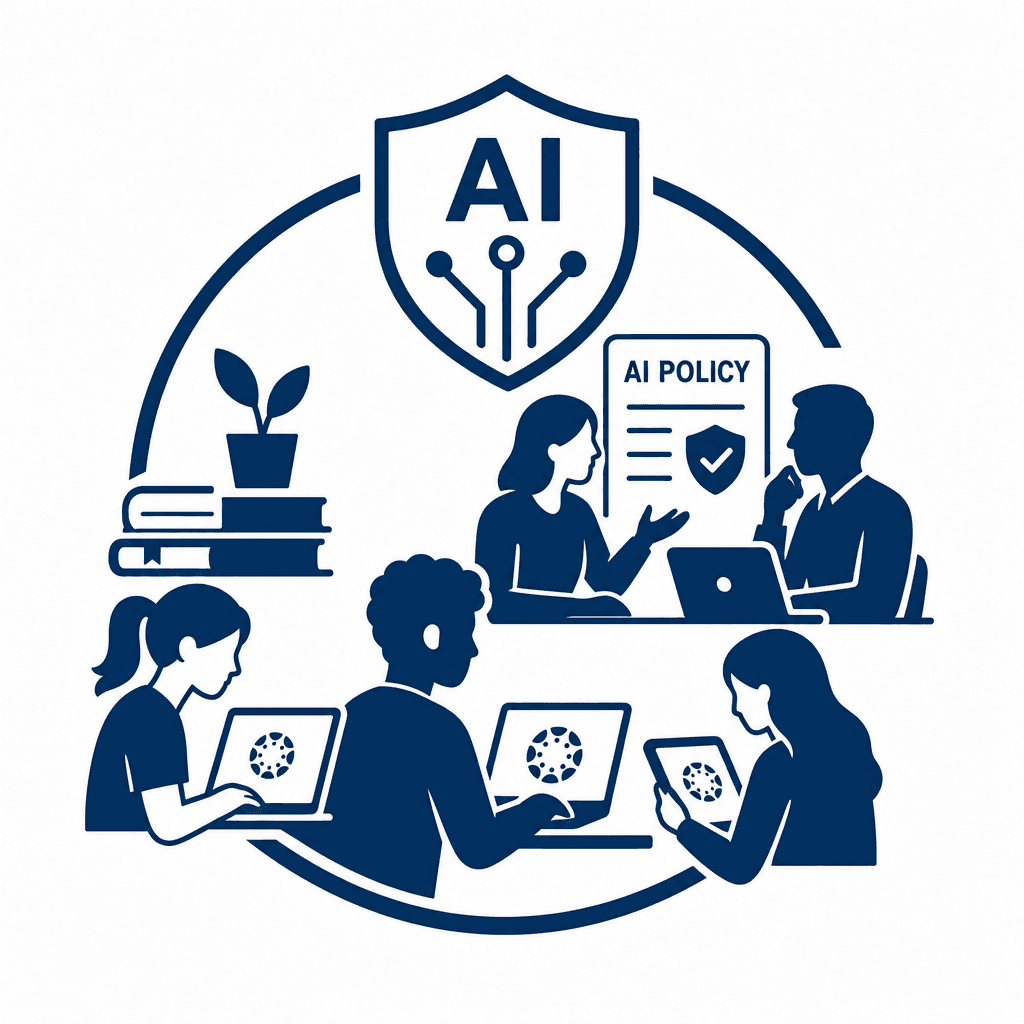
The rise of student-facing AI tools presents both opportunities and challenges for educational institutions. With the integration of AI in learning platforms like Canvas, administrators must establish clear policies that promote ethical use while ensuring academic integrity. This article provides a comprehensive framework for developing district-wide AI policies tailored to the unique needs of K-12 and higher education environments.
Understanding AI Tools in Education
As schools increasingly incorporate AI tools within their learning environments, it becomes pivotal to establish a cohesive, district-wide AI policy. Such a policy is vital for maintaining consistency in how AI applications are utilized across various classrooms. When individual teachers make ad-hoc decisions about AI integration, disparities can arise that may confuse students and create inequitable learning experiences. For instance, one teacher might embrace an AI tool that personalizes learning, while another may restrict its use altogether, leading to fragmented educational approaches within the same district. Inconsistent use of AI tools can lead to potential risks, such as promoting academic dishonesty. Students may leverage AI solutions differently based on individual teacher rules, which can undermine the integrity of assessments and projects. Without a cohesive policy, schools risk fostering an environment where students are unclear about what is permissible, leading to the temptation to misuse AI for academic shortcuts. A district-wide policy addresses these concerns by establishing standard protocols for AI usage, creating clear guidelines for teachers and students alike. This proactive approach not only enhances compliance with ethical considerations but also promotes a collective understanding of AI’s role in education, ensuring that all students benefit from a unified and equitable learning experience. By mitigating risks through structured governance, districts can foster responsible AI integration while encouraging innovative teaching practices.
The Importance of a District-Wide Policy
As educators increasingly encounter the integration of AI tools in learning environments, establishing a cohesive, district-wide AI policy becomes essential. Individual teacher decisions regarding AI usage can lead to inconsistency, creating a fragmented approach to technology that may confuse students and hinder academic integrity. Without a clear standard, varying degrees of acceptance and application across classrooms can foster an environment where some students may capitalize on unregulated use, leading to allegations of cheating and inequity among peers. A unified policy provides a framework that helps to delineate acceptable AI usage, reducing potential risks, such as reliance on AI for critical thinking or compromising the originality of student work. Implementing a district-wide strategy ensures that all educators align on expectations, techniques for leveraging tools in a pedagogically sound manner, and the importance of fostering academic honesty. Additionally, this structured approach can support professional development efforts and guide instructional designers in crafting resources within the Canvas LMS that promote equitable access while mitigating the dangers of misuse. Ultimately, a centralized AI policy not only preserves academic integrity but also fosters a focused dialogue among faculty, IT, and leadership. This collaboration creates a balanced educational ecosystem that embraces technological advancements while safeguarding the educational mission.
Ethical Considerations in AI Use
As educational institutions increasingly adopt AI tools, the ethical landscape becomes more complex, necessitating scrutiny of various considerations. Primarily, data privacy emerges as a paramount concern. Administrators must evaluate the data practices of AI tools, ensuring compliance with regulations like FERPA. This involves understanding what data is collected, how it is stored, and who has access, as compromised data can lead to significant ethical and legal ramifications. Bias in AI algorithms presents another critical challenge. Students from underrepresented backgrounds may be disproportionately affected by biased outputs, which can perpetuate inequality in educational experiences. Evaluators should assess AI tools for transparency and fairness, ensuring that they are trained on diverse datasets that reflect the demographics of the student body. Finally, district policies must proactively address issues related to student equity, ensuring that AI integration does not create further barriers for marginalized students. Clear guidelines should mandate that all AI tools adopted demonstrate a commitment to equitable outcomes. By prioritizing these ethical considerations in policy development, administrators can create an educational environment that not only embraces technology but also champions justice and inclusivity.
Promoting Responsible Student Use
Promoting responsible and ethical use of AI tools among students is essential in fostering a culture of academic integrity. To achieve this, districts should implement comprehensive educational initiatives that focus on the significance of such values. First, orientation sessions and workshops should be created to raise awareness about what constitutes responsible AI use. Key themes can include the importance of originality in coursework and the role of AI as a supplementary tool rather than a replacement for critical thinking. Creating easily accessible online resources that outline best practices can help students understand both the benefits and risks associated with AI tools. An emphasis on the potential consequences of misuse, such as plagiarism or diminished learning, is vital. Engaging students in discussions about real-world implications and ethical dilemmas surrounding AI can also deepen their understanding and encourage self-regulation. Involving students in the development of honor codes or guidelines specific to AI use can instill a sense of ownership and responsibility. By fostering a culture of accountability, schools can encourage students to leverage these technologies in ways that enhance their learning while upholding their educational values.
Collaboration Between Stakeholders
To craft an effective district-wide AI policy for Canvas, collaboration among faculty, IT departments, and school leadership is essential. Each group brings unique perspectives that enrich the policymaking process, ensuring that the resulting guidelines are both comprehensive and practical. Faculty members provide insights on pedagogical needs and student interactions, while IT departments contribute their expertise in technology management and security. Leadership plays a crucial role in aligning the policy with the district’s educational goals and values, facilitating a unified approach. Effective communication is paramount throughout this process. Regular meetings should be scheduled to discuss the implications of AI tools, share concerns, and brainstorm solutions. By fostering an open dialogue, all stakeholders can voice their opinions, leading to greater understanding and buy-in for the policy. To enhance teamwork, collaborative workshops can be held, where stakeholders actively engage in scenario planning and role-playing exercises to better understand the challenges and opportunities AI presents. Ultimately, a well-rounded policy, born from collaboration, will more effectively address the ethical considerations surrounding AI while promoting responsible use among students. This collaborative strategy not only ensures a more robust policy but also cultivates a culture of shared responsibility and trust in the educational environment.
Evaluating AI Tools for Canvas
A comprehensive framework for evaluating AI tools in the Canvas LMS environment is essential for ensuring both effective learning outcomes and adherence to ethical standards. Initially, schools must assess usability; the tool should seamlessly integrate with Canvas, offering intuitive navigation for both students and instructors. Accessibility is equally critical; tools must comply with accessibility guidelines like WCAG to support all learners, including those with disabilities. In evaluating pedagogical value, institutions should examine how the AI tool enhances learning experiences, fostering critical thinking and engagement rather than mere rote memorization. Tools should align with the curriculum and support diverse teaching strategies, encouraging collaboration and creativity among students. Compliance with ethical standards is imperative; AI tools must safeguard student data and privacy while promoting fairness in assessments. Schools should establish a set of criteria based on these factors, adopting a systematic evaluation process that includes pilots, feedback loops, and iterative improvements. Lastly, given the rapid pace of technological changes, policy frameworks should include regular reviews and updates, encouraging ongoing dialogue among educators and tech specialists to ensure that the evaluation criteria remain relevant and robust.
Conclusions
In conclusion, developing a district-wide AI policy for Canvas is essential for fostering an ethical learning environment. By evaluating AI tools, promoting responsible student use, and encouraging collaboration among faculty and technology leaders, institutions can effectively navigate the complexities of AI integration. A balanced approach will ensure that educational benefits are maximized while maintaining academic standards.
Understanding AI Tools in Education
As schools increasingly incorporate AI tools within their learning environments, it becomes pivotal to establish a cohesive, district-wide AI policy. Such a policy is vital for maintaining consistency in how AI applications are utilized across various classrooms. When individual teachers make ad-hoc decisions about AI integration, disparities can arise that may confuse students and create inequitable learning experiences. For instance, one teacher might embrace an AI tool that personalizes learning, while another may restrict its use altogether, leading to fragmented educational approaches within the same district. Inconsistent use of AI tools can lead to potential risks, such as promoting academic dishonesty. Students may leverage AI solutions differently based on individual teacher rules, which can undermine the integrity of assessments and projects. Without a cohesive policy, schools risk fostering an environment where students are unclear about what is permissible, leading to the temptation to misuse AI for academic shortcuts. A district-wide policy addresses these concerns by establishing standard protocols for AI usage, creating clear guidelines for teachers and students alike. This proactive approach not only enhances compliance with ethical considerations but also promotes a collective understanding of AI’s role in education, ensuring that all students benefit from a unified and equitable learning experience. By mitigating risks through structured governance, districts can foster responsible AI integration while encouraging innovative teaching practices.
The Importance of a District-Wide Policy
As educators increasingly encounter the integration of AI tools in learning environments, establishing a cohesive, district-wide AI policy becomes essential. Individual teacher decisions regarding AI usage can lead to inconsistency, creating a fragmented approach to technology that may confuse students and hinder academic integrity. Without a clear standard, varying degrees of acceptance and application across classrooms can foster an environment where some students may capitalize on unregulated use, leading to allegations of cheating and inequity among peers. A unified policy provides a framework that helps to delineate acceptable AI usage, reducing potential risks, such as reliance on AI for critical thinking or compromising the originality of student work. Implementing a district-wide strategy ensures that all educators align on expectations, techniques for leveraging tools in a pedagogically sound manner, and the importance of fostering academic honesty. Additionally, this structured approach can support professional development efforts and guide instructional designers in crafting resources within the Canvas LMS that promote equitable access while mitigating the dangers of misuse. Ultimately, a centralized AI policy not only preserves academic integrity but also fosters a focused dialogue among faculty, IT, and leadership. This collaboration creates a balanced educational ecosystem that embraces technological advancements while safeguarding the educational mission.
Ethical Considerations in AI Use
As educational institutions increasingly adopt AI tools, the ethical landscape becomes more complex, necessitating scrutiny of various considerations. Primarily, data privacy emerges as a paramount concern. Administrators must evaluate the data practices of AI tools, ensuring compliance with regulations like FERPA. This involves understanding what data is collected, how it is stored, and who has access, as compromised data can lead to significant ethical and legal ramifications. Bias in AI algorithms presents another critical challenge. Students from underrepresented backgrounds may be disproportionately affected by biased outputs, which can perpetuate inequality in educational experiences. Evaluators should assess AI tools for transparency and fairness, ensuring that they are trained on diverse datasets that reflect the demographics of the student body. Finally, district policies must proactively address issues related to student equity, ensuring that AI integration does not create further barriers for marginalized students. Clear guidelines should mandate that all AI tools adopted demonstrate a commitment to equitable outcomes. By prioritizing these ethical considerations in policy development, administrators can create an educational environment that not only embraces technology but also champions justice and inclusivity.
Promoting Responsible Student Use
Promoting responsible and ethical use of AI tools among students is essential in fostering a culture of academic integrity. To achieve this, districts should implement comprehensive educational initiatives that focus on the significance of such values. First, orientation sessions and workshops should be created to raise awareness about what constitutes responsible AI use. Key themes can include the importance of originality in coursework and the role of AI as a supplementary tool rather than a replacement for critical thinking. Creating easily accessible online resources that outline best practices can help students understand both the benefits and risks associated with AI tools. An emphasis on the potential consequences of misuse, such as plagiarism or diminished learning, is vital. Engaging students in discussions about real-world implications and ethical dilemmas surrounding AI can also deepen their understanding and encourage self-regulation. Involving students in the development of honor codes or guidelines specific to AI use can instill a sense of ownership and responsibility. By fostering a culture of accountability, schools can encourage students to leverage these technologies in ways that enhance their learning while upholding their educational values.
Collaboration Between Stakeholders
To craft an effective district-wide AI policy for Canvas, collaboration among faculty, IT departments, and school leadership is essential. Each group brings unique perspectives that enrich the policymaking process, ensuring that the resulting guidelines are both comprehensive and practical. Faculty members provide insights on pedagogical needs and student interactions, while IT departments contribute their expertise in technology management and security. Leadership plays a crucial role in aligning the policy with the district’s educational goals and values, facilitating a unified approach. Effective communication is paramount throughout this process. Regular meetings should be scheduled to discuss the implications of AI tools, share concerns, and brainstorm solutions. By fostering an open dialogue, all stakeholders can voice their opinions, leading to greater understanding and buy-in for the policy. To enhance teamwork, collaborative workshops can be held, where stakeholders actively engage in scenario planning and role-playing exercises to better understand the challenges and opportunities AI presents. Ultimately, a well-rounded policy, born from collaboration, will more effectively address the ethical considerations surrounding AI while promoting responsible use among students. This collaborative strategy not only ensures a more robust policy but also cultivates a culture of shared responsibility and trust in the educational environment.
Evaluating AI Tools for Canvas
A comprehensive framework for evaluating AI tools in the Canvas LMS environment is essential for ensuring both effective learning outcomes and adherence to ethical standards. Initially, schools must assess usability; the tool should seamlessly integrate with Canvas, offering intuitive navigation for both students and instructors. Accessibility is equally critical; tools must comply with accessibility guidelines like WCAG to support all learners, including those with disabilities. In evaluating pedagogical value, institutions should examine how the AI tool enhances learning experiences, fostering critical thinking and engagement rather than mere rote memorization. Tools should align with the curriculum and support diverse teaching strategies, encouraging collaboration and creativity among students. Compliance with ethical standards is imperative; AI tools must safeguard student data and privacy while promoting fairness in assessments. Schools should establish a set of criteria based on these factors, adopting a systematic evaluation process that includes pilots, feedback loops, and iterative improvements. Lastly, given the rapid pace of technological changes, policy frameworks should include regular reviews and updates, encouraging ongoing dialogue among educators and tech specialists to ensure that the evaluation criteria remain relevant and robust.
Conclusions
In conclusion, developing a district-wide AI policy for Canvas is essential for fostering an ethical learning environment. By evaluating AI tools, promoting responsible student use, and encouraging collaboration among faculty and technology leaders, institutions can effectively navigate the complexities of AI integration. A balanced approach will ensure that educational benefits are maximized while maintaining academic standards.