Elevating Learner Experience (LX) in Canvas - Strategic Approaches for Engagement, Success, and Retention
In an increasingly competitive educational landscape, an exceptional Learner Experience (LX) within your Canvas LMS is not just a nicety—it's a strategic imperative. This article provides instructional designers, educators, and Canvas administrators with actionable strategies to design and optimize the entire learning journey in Canvas. We'll explore how to move beyond basic course content to create engaging, intuitive, and supportive environments that reduce friction, boost student engagement, and ultimately drive higher rates of success and retention. Learn how to leverage Canvas features, integrations, and design principles to make LX your competitive advantage.
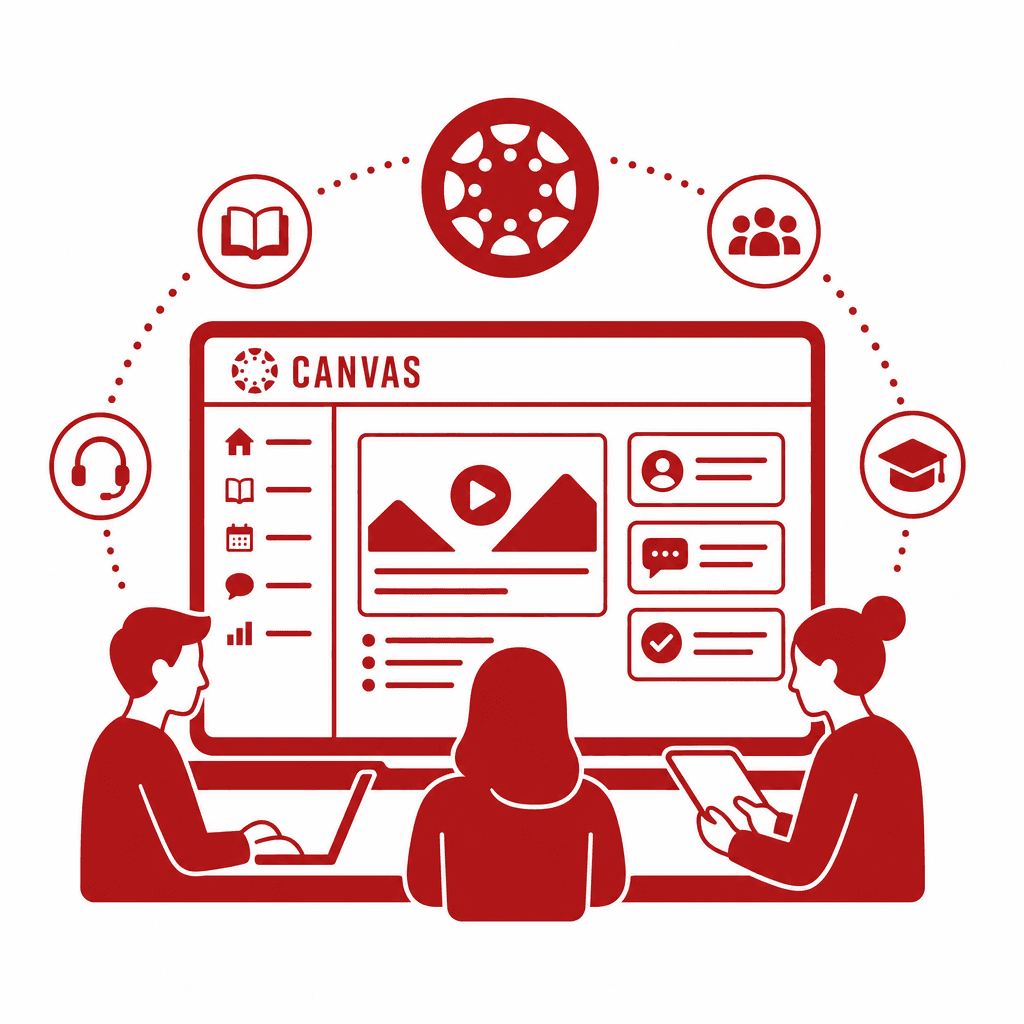
The Learner Experience (LX) within Canvas LMS is crucial for fostering student engagement and driving success. As educational institutions face heightened competition, understanding how to optimize the learner journey is vital. This article discusses practical strategies tailored for instructional designers and educators, focusing on enhancing interaction, retention, and overall educational outcomes through effective course design.
Understanding Learner Experience (LX)
Understanding Learner Experience (LX) is crucial in shaping effective modern education. LX goes beyond mere course content; it encapsulates the emotional, psychological, and practical facets of the learning journey. It includes not only the resources provided but also how those resources are experienced by students. A positive LX fuels student engagement, a vital component linked to retention and overall academic success. Students who feel supported and valued are more likely to participate actively in their courses, thus enhancing their educational journey. Current trends in educational technology, including personalized learning analytics and adaptive learning environments, play a significant role in shaping LX. For instance, leveraging data from students' interactions with materials can help tailor approaches that resonate on an individual level, addressing specific learning needs and preferences. This nuanced understanding of LX as multidimensional underscores its importance; institutions that prioritize it can create more inclusive and engaging learning environments. As the competitive landscape of education intensifies, adopting a comprehensive LX strategy can be a game-changer for both institutions and learners alike.
The Role of Canvas LMS in Elevating LX
Canvas LMS serves as a powerful catalyst for enhancing the Learner Experience by offering an array of features that prioritize usability and accessibility. Its intuitive user interface simplifies navigation, allowing learners to focus on engagement rather than technical hurdles. This ease of use is instrumental in creating an environment where students can thrive. Additionally, Canvas prioritizes accessibility, incorporating features such as screen reader compatibility and customizable text sizes, ensuring that all learners, including those with disabilities, can access course content effectively. The integration capabilities of Canvas further amplify its strengths. By seamlessly connecting with various educational technologies, Canvas creates a cohesive ecosystem that fosters communication and collaboration. For instance, tools like integrated video conferencing and discussion forums enable students to interact with peers and instructors in real time, enriching their learning experience. Moreover, personalized learning pathways are easily constructed within Canvas, allowing educators to tailor the learning journey based on individual student needs and progress. By providing adaptive feedback and targeted resources, Canvas enhances student engagement and satisfaction, ultimately leading to increased retention and success rates. These features collectively position Canvas as a strategic asset in delivering an exemplary Learner Experience.
Designing Engaging Course Content
In designing engaging course content within Canvas, instructional designers must employ principles that foster clarity, structure, and interactivity. An effective course begins with a clear outline, guiding learners through the material in a logical manner. Utilizing consistent naming conventions and intuitive navigation helps students easily access resources and progress through the course without confusion.
Incorporating multimedia elements—such as videos, podcasts, and infographics—can cater to diverse learning preferences. These engaging formats not only make learning more dynamic but also promote deeper understanding of complex topics. Additionally, embedding quizzes and polls at regular intervals allows for self-assessment, encouraging students to reflect on their comprehension and stay engaged in the material.
Discussion forums serve as a platform for real-time interaction, fostering a sense of community. By posing thought-provoking questions and facilitating peer-to-peer discussions, educators can enhance participation and stimulate critical thinking. Finally, designing assessments that are both formative and summative can motivate learners by providing timely feedback and opportunities for improvement, ultimately supporting their journey toward success and retention in the course.
Leveraging Integrations and Tools
Innovative integrations and tools within the Canvas ecosystem play a crucial role in enhancing learner experience and engagement. Leveraging technologies such as video conferencing tools can facilitate real-time interaction, allowing students and instructors to connect more dynamically. With platforms like Zoom or Microsoft Teams integrated into Canvas, synchronous activities can easily be embedded into course schedules, promoting collaboration and immediate feedback. This functionality enhances student engagement by creating more interactive and less isolated learning environments. Furthermore, analytics tools within Canvas provide invaluable insights into learner behavior and performance. By utilizing these analytics, instructors can tailor the course content and delivery to meet the specific needs of students, identifying those who may need additional support before they fall behind. This proactive approach not only boosts student success but also aids in retention by fostering a sense of individualized attention. Selecting the right tools is essential for maximizing their impact on the learner experience. Assessing compatibility with existing Canvas functionalities and ensuring a seamless user experience should guide the implementation process. By thoughtfully integrating these technologies, educational institutions can create a rich, collaborative learning environment that deeply engages students and enhances their overall educational journey.
Fostering a Supportive Learning Community
Building a supportive learning community within Canvas is vital for enhancing student engagement, motivation, and retention. When learners feel connected to their peers and instructors, they are more likely to contribute actively and feel accountable for their learning journey. One effective strategy is to implement discussion forums and group projects that encourage collaboration. These platforms allow students to share insights and experiences, fostering relationships that can last beyond the course duration. Additionally, mentorship plays a crucial role in community building. Pairing students with mentors—whether instructors or peers—can provide personalized guidance and support. This relationship can significantly enhance motivation, as students receive feedback and encouragement tailored to their individual needs. Community-building activities, such as icebreakers or virtual meet-and-greets, can help to create a sense of belonging from the outset, making students more inclined to participate. Timely feedback is essential in this context; when students receive constructive responses on assignments or interactions, they feel valued and informed, which promotes a positive learning atmosphere. Effective communication channels are also key, as they facilitate ongoing dialogues between students and instructors, leading to a richer, more connected learning experience.
Measuring Success and Continuous Improvement
Evaluating the effectiveness of Learner Experience (LX) initiatives in Canvas is crucial for ensuring that educational strategies resonate with students. One of the most effective methods to measure success is through analytics. Canvas provides integrated analytics tools that track key metrics related to student engagement, performance, and satisfaction. By analyzing these data points, educators can identify patterns that inform instructional design. For instance, monitoring student access to course materials can reveal how frequently learners engage with content. Low usage might suggest a need for redesigning materials to be more appealing or accessible. Similarly, tracking assignment completion rates can flag potential problems in student motivation or understanding. Feedback mechanisms, such as end-of-course surveys, offer qualitative insights that complement quantitative data. Gathering student voices helps identify areas needing improvement and fosters a sense of ownership in their learning journey. To ensure continuous improvement, it’s important to regularly review this data and adapt educational strategies accordingly. This iterative process allows institutions to stay ahead in the competitive landscape by refining LX and promoting higher success and retention rates. Emphasizing this adaptability not only enhances the learner experience but aligns with evolving educational standards and expectations.
Conclusions
In conclusion, enhancing the Learner Experience in Canvas LMS through thoughtful design and engagement strategies leads to improved student success and retention. Institutions must view LX as a competitive advantage by implementing user-centered practices, utilizing integrations, and creating supportive environments. Embracing these approaches ensures that education is not only effective but also enriching and engaging for every learner.