Fostering Dynamic Social Learning in Canvas
Explore innovative strategies and Canvas features for creating dynamic social learning environments that move beyond traditional discussion boards. Discover how to foster genuine collaboration, peer interaction, and community building in your online and blended courses.
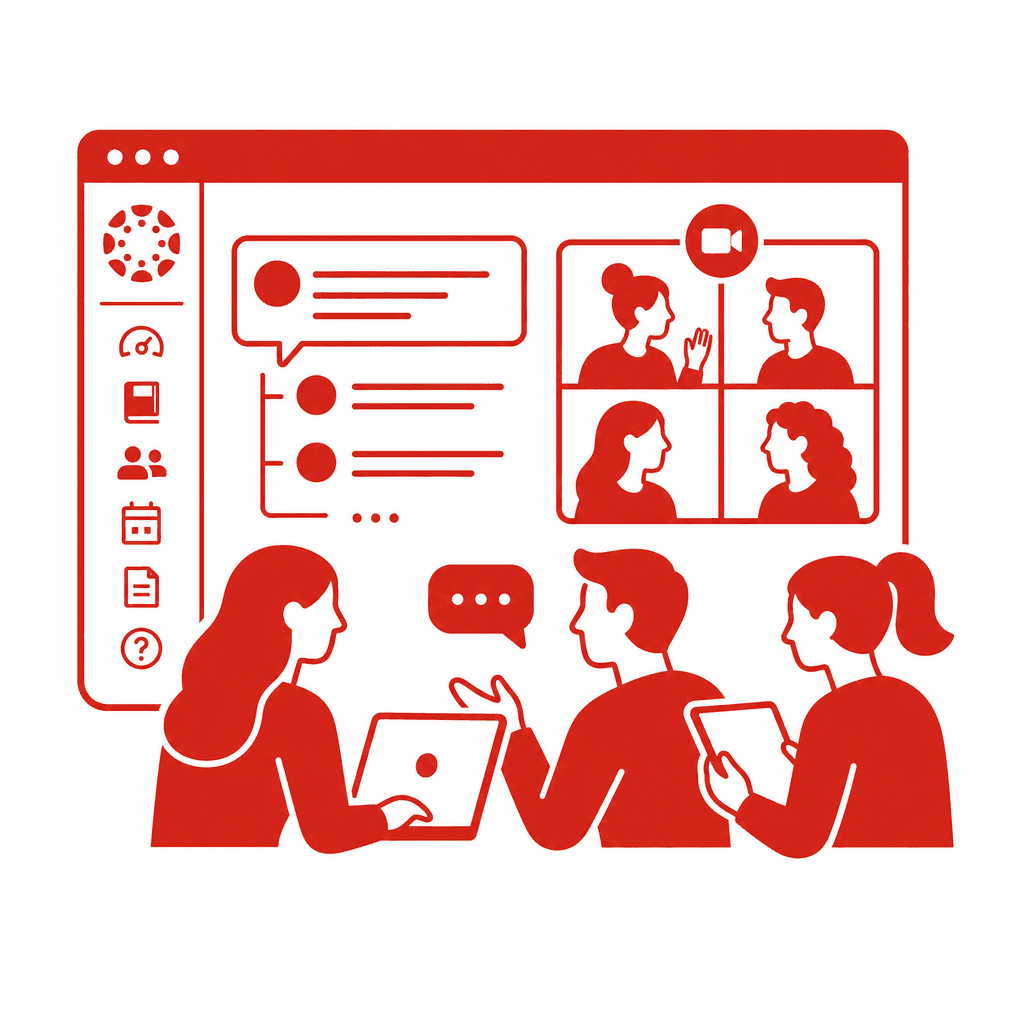
In today's digital education landscape, fostering dynamic social learning is essential for enhanced student engagement and collaborative learning. This article delves into effective strategies and tools within Canvas LMS that facilitate meaningful interactions, community building, and transformative learning experiences, moving beyond conventional discussion boards to create vibrant learning communities.
Understanding Social Learning in Online Education
Understanding Social Learning in Online Education Social learning is an essential element in the realm of online education, significantly enhancing student engagement and collaborative skills. The core idea of social learning posits that individuals acquire knowledge not only through direct instruction but also through interaction with their peers. This paradigm shift highlights the importance of community engagement and shared experiences in the learning process. Theoretical foundations such as Vygotsky’s social development theory emphasize the social nature of learning, arguing that cognitive development is deeply interconnected with social interaction. In a digital learning environment, this means creating spaces where students can communicate, collaborate, and construct knowledge together, enriching their understanding. Incorporating social learning strategies fosters deeper learning outcomes by encouraging dialogue, critical thinking, and the articulation of diverse perspectives. It shifts the focus from traditional roles of the instructor as the sole knowledge provider to a more facilitative role, promoting a culture of inquiry and co-construction of knowledge. Thus, leveraging social learning principles in online education not only enhances student engagement but also builds a sense of community, vital for holistic learning experiences.
Leveraging Canvas LMS for Interactive Learning
The Canvas LMS offers a multitude of features that can transform traditional learning environments into interactive, collaborative spaces. Among these, discussion boards, groups, and peer review tools stand out as essential components for encouraging student engagement and fostering a sense of community. Utilizing discussion boards effectively goes beyond posting prompts and responses. Instructors can create a structure that encourages deeper conversations by asking open-ended questions that require critical thinking. Leveraging the “likes” and “replies” features can help students to recognize peer contributions, facilitating a more dynamic interaction. Group functionalities in Canvas provide an excellent platform for students to collaborate on projects. By assigning group-specific tasks and allowing for private conversations within the groups, learners can build relationships and engage in meaningful collaborations without the noise of larger classroom dynamics. The ability to create group pages and discussions encourages peer-to-peer support, fostering a sense of belonging. Peer review tools enable students to evaluate each other’s work, which not only enhances critical thinking and feedback skills but also builds trust within the learning community. These interactions encourage students to take ownership of their learning and contribute actively, enriching the collaborative learning experience and promoting a vibrant online classroom atmosphere.
Designing Collaborative Activities in Canvas
Thoughtfully designed collaborative activities in Canvas can significantly enhance the learning experience, transforming passive participants into active contributors. Beyond traditional assignments, Canvas allows educators to create engaging project-based learning opportunities where students work together on real-world problems. For instance, instructors can utilize the "Groups" feature to facilitate team projects, encouraging students to brainstorm, plan, and execute assignments collaboratively. This structure not only fosters teamwork but also promotes essential skills such as critical thinking and communication. Group discussions can be enhanced using multimedia presentation tools available within Canvas. By allowing students to create and share interactive multimedia presentations, educators can facilitate richer discussions that tap into diverse learning styles. For example, students might collaborate on a research project and present their findings through a combination of video, audio, and visuals. This approach invites deeper engagement, as students are more likely to invest in projects that incorporate varied media and require active participation. Moreover, the integration of peer reviews encourages constructive feedback, reinforcing social learning outcomes by promoting meaningful interactions. By moving beyond standard assignments, educators can cultivate a dynamic social learning environment where genuine collaboration thrives and students feel more connected to their peers.
Building Community in Online Courses
Establishing a sense of community in online courses within Canvas is critical for fostering an engaging and supportive learning environment. One effective strategy is to implement **icebreaker activities** during the initial weeks. These activities can include simple introductions, sharing personal interests, or participating in fun polls. Such interactions help students feel more comfortable and promote informal connections among peers, laying the groundwork for a robust community. Regular check-ins, whether through short surveys or reflective prompts, can further enhance community dynamics. These activities allow instructors to gauge student sentiment and provide opportunities for students to share their experiences. Moreover, integrating **peer-to-peer feedback systems** can significantly enrich the learning experience. By facilitating constructive critiques among classmates, students not only learn to appreciate diverse perspectives but also build trust and collaboration. A strong community in online learning not only fosters engagement but also mitigates feelings of isolation often associated with digital education. When students see themselves as part of a cohesive group, their motivation to participate increases, leading to improved academic outcomes. Thus, employing these strategies in Canvas not only enhances social learning but also creates an inviting atmosphere for all learners.
Enhancing Student Engagement Through Technology
To enhance student engagement within Canvas, leveraging innovative technological tools and integrations is essential. **Gamification** has emerged as a powerful strategy, introducing elements such as points, badges, and leaderboards to course content. By creating a competitive yet supportive environment, students are more likely to participate actively. Integrating platforms like Kahoot or Quizlet into Canvas allows for interactive quizzes that not only assess knowledge but also foster a sense of community as students collaborate and compete in a fun way. Moreover, rich **multimedia content**—including videos, podcasts, and interactive simulations—can significantly heighten engagement. Tools like Padlet or Flipgrid encourage students to contribute their unique perspectives, turning passive consumption of information into active participation. The interactivity inherent in these formats captivates learners, making the educational experience more relatable and enjoyable. Finally, combining these elements within **course design** encourages **collaborative learning**. For instance, group projects can be enhanced with shared digital whiteboards or collaborative documents, facilitating peer interaction. The use of technology in a thoughtful and integrated manner can lead to increased enthusiasm and commitment, further enriching the social learning landscape within Canvas.
Measuring the Impact of Social Learning Strategies
Educational institutions must implement effective methods to assess the impact of social learning strategies in Canvas for continuous enhancement of learning outcomes. To do this, a mix of qualitative and quantitative metrics can be employed. **Student surveys** stand out as instrumental tools, offering insights into students’ perceptions of collaboration, interaction quality, and community cohesion. These surveys can directly gauge the effectiveness of peer learning initiatives and group projects within the course. In addition to surveys, **engagement analytics** provide a wealth of information. Metrics such as discussion post frequency, responses to peers, and time spent on collaborative activities can be tracked through Canvas’s built-in analytics tools. Understanding these patterns allows educators to identify successful practices and areas needing attention. Furthermore, academic performance indicators—such as grades on collaborative assignments and overall course completion rates—provide a quantitative measure of the effectiveness of social learning. Effectively analyzing these data points fosters a cycle of continuous improvement, where strategies can be adjusted based on real-time feedback. By regularly evaluating these metrics, institutions can refine their course designs, ensuring that social learning thrives and enriches the educational experience.
Conclusions
In conclusion, fostering dynamic social learning within Canvas involves the integration of innovative tools and techniques that enhance collaboration and engagement. By implementing these strategies, educators can create enriched learning environments that empower students to interact meaningfully, foster peer connections, and build robust online communities that enhance their educational journey.
Understanding Social Learning in Online Education
Understanding Social Learning in Online Education Social learning is an essential element in the realm of online education, significantly enhancing student engagement and collaborative skills. The core idea of social learning posits that individuals acquire knowledge not only through direct instruction but also through interaction with their peers. This paradigm shift highlights the importance of community engagement and shared experiences in the learning process. Theoretical foundations such as Vygotsky’s social development theory emphasize the social nature of learning, arguing that cognitive development is deeply interconnected with social interaction. In a digital learning environment, this means creating spaces where students can communicate, collaborate, and construct knowledge together, enriching their understanding. Incorporating social learning strategies fosters deeper learning outcomes by encouraging dialogue, critical thinking, and the articulation of diverse perspectives. It shifts the focus from traditional roles of the instructor as the sole knowledge provider to a more facilitative role, promoting a culture of inquiry and co-construction of knowledge. Thus, leveraging social learning principles in online education not only enhances student engagement but also builds a sense of community, vital for holistic learning experiences.
Leveraging Canvas LMS for Interactive Learning
The Canvas LMS offers a multitude of features that can transform traditional learning environments into interactive, collaborative spaces. Among these, discussion boards, groups, and peer review tools stand out as essential components for encouraging student engagement and fostering a sense of community. Utilizing discussion boards effectively goes beyond posting prompts and responses. Instructors can create a structure that encourages deeper conversations by asking open-ended questions that require critical thinking. Leveraging the “likes” and “replies” features can help students to recognize peer contributions, facilitating a more dynamic interaction. Group functionalities in Canvas provide an excellent platform for students to collaborate on projects. By assigning group-specific tasks and allowing for private conversations within the groups, learners can build relationships and engage in meaningful collaborations without the noise of larger classroom dynamics. The ability to create group pages and discussions encourages peer-to-peer support, fostering a sense of belonging. Peer review tools enable students to evaluate each other’s work, which not only enhances critical thinking and feedback skills but also builds trust within the learning community. These interactions encourage students to take ownership of their learning and contribute actively, enriching the collaborative learning experience and promoting a vibrant online classroom atmosphere.
Designing Collaborative Activities in Canvas
Thoughtfully designed collaborative activities in Canvas can significantly enhance the learning experience, transforming passive participants into active contributors. Beyond traditional assignments, Canvas allows educators to create engaging project-based learning opportunities where students work together on real-world problems. For instance, instructors can utilize the "Groups" feature to facilitate team projects, encouraging students to brainstorm, plan, and execute assignments collaboratively. This structure not only fosters teamwork but also promotes essential skills such as critical thinking and communication. Group discussions can be enhanced using multimedia presentation tools available within Canvas. By allowing students to create and share interactive multimedia presentations, educators can facilitate richer discussions that tap into diverse learning styles. For example, students might collaborate on a research project and present their findings through a combination of video, audio, and visuals. This approach invites deeper engagement, as students are more likely to invest in projects that incorporate varied media and require active participation. Moreover, the integration of peer reviews encourages constructive feedback, reinforcing social learning outcomes by promoting meaningful interactions. By moving beyond standard assignments, educators can cultivate a dynamic social learning environment where genuine collaboration thrives and students feel more connected to their peers.
Building Community in Online Courses
Establishing a sense of community in online courses within Canvas is critical for fostering an engaging and supportive learning environment. One effective strategy is to implement **icebreaker activities** during the initial weeks. These activities can include simple introductions, sharing personal interests, or participating in fun polls. Such interactions help students feel more comfortable and promote informal connections among peers, laying the groundwork for a robust community. Regular check-ins, whether through short surveys or reflective prompts, can further enhance community dynamics. These activities allow instructors to gauge student sentiment and provide opportunities for students to share their experiences. Moreover, integrating **peer-to-peer feedback systems** can significantly enrich the learning experience. By facilitating constructive critiques among classmates, students not only learn to appreciate diverse perspectives but also build trust and collaboration. A strong community in online learning not only fosters engagement but also mitigates feelings of isolation often associated with digital education. When students see themselves as part of a cohesive group, their motivation to participate increases, leading to improved academic outcomes. Thus, employing these strategies in Canvas not only enhances social learning but also creates an inviting atmosphere for all learners.
Enhancing Student Engagement Through Technology
To enhance student engagement within Canvas, leveraging innovative technological tools and integrations is essential. **Gamification** has emerged as a powerful strategy, introducing elements such as points, badges, and leaderboards to course content. By creating a competitive yet supportive environment, students are more likely to participate actively. Integrating platforms like Kahoot or Quizlet into Canvas allows for interactive quizzes that not only assess knowledge but also foster a sense of community as students collaborate and compete in a fun way. Moreover, rich **multimedia content**—including videos, podcasts, and interactive simulations—can significantly heighten engagement. Tools like Padlet or Flipgrid encourage students to contribute their unique perspectives, turning passive consumption of information into active participation. The interactivity inherent in these formats captivates learners, making the educational experience more relatable and enjoyable. Finally, combining these elements within **course design** encourages **collaborative learning**. For instance, group projects can be enhanced with shared digital whiteboards or collaborative documents, facilitating peer interaction. The use of technology in a thoughtful and integrated manner can lead to increased enthusiasm and commitment, further enriching the social learning landscape within Canvas.
Measuring the Impact of Social Learning Strategies
Educational institutions must implement effective methods to assess the impact of social learning strategies in Canvas for continuous enhancement of learning outcomes. To do this, a mix of qualitative and quantitative metrics can be employed. **Student surveys** stand out as instrumental tools, offering insights into students’ perceptions of collaboration, interaction quality, and community cohesion. These surveys can directly gauge the effectiveness of peer learning initiatives and group projects within the course. In addition to surveys, **engagement analytics** provide a wealth of information. Metrics such as discussion post frequency, responses to peers, and time spent on collaborative activities can be tracked through Canvas’s built-in analytics tools. Understanding these patterns allows educators to identify successful practices and areas needing attention. Furthermore, academic performance indicators—such as grades on collaborative assignments and overall course completion rates—provide a quantitative measure of the effectiveness of social learning. Effectively analyzing these data points fosters a cycle of continuous improvement, where strategies can be adjusted based on real-time feedback. By regularly evaluating these metrics, institutions can refine their course designs, ensuring that social learning thrives and enriches the educational experience.
Conclusions
In conclusion, fostering dynamic social learning within Canvas involves the integration of innovative tools and techniques that enhance collaboration and engagement. By implementing these strategies, educators can create enriched learning environments that empower students to interact meaningfully, foster peer connections, and build robust online communities that enhance their educational journey.