
Implementing Culturally Responsive Teaching in Canvas
Explore practical strategies for integrating Culturally Responsive Teaching (CRT) principles into your Canvas courses. Learn how to design content, activities, and assessments that acknowledge and value diverse student backgrounds, fostering a more inclusive and engaging learning environment for all. This article will provide actionable steps for educators and instructional designers to adapt their Canvas courses to better serve the cultural and linguistic needs of their learners, moving beyond basic accessibility to proactive cultural engagement.
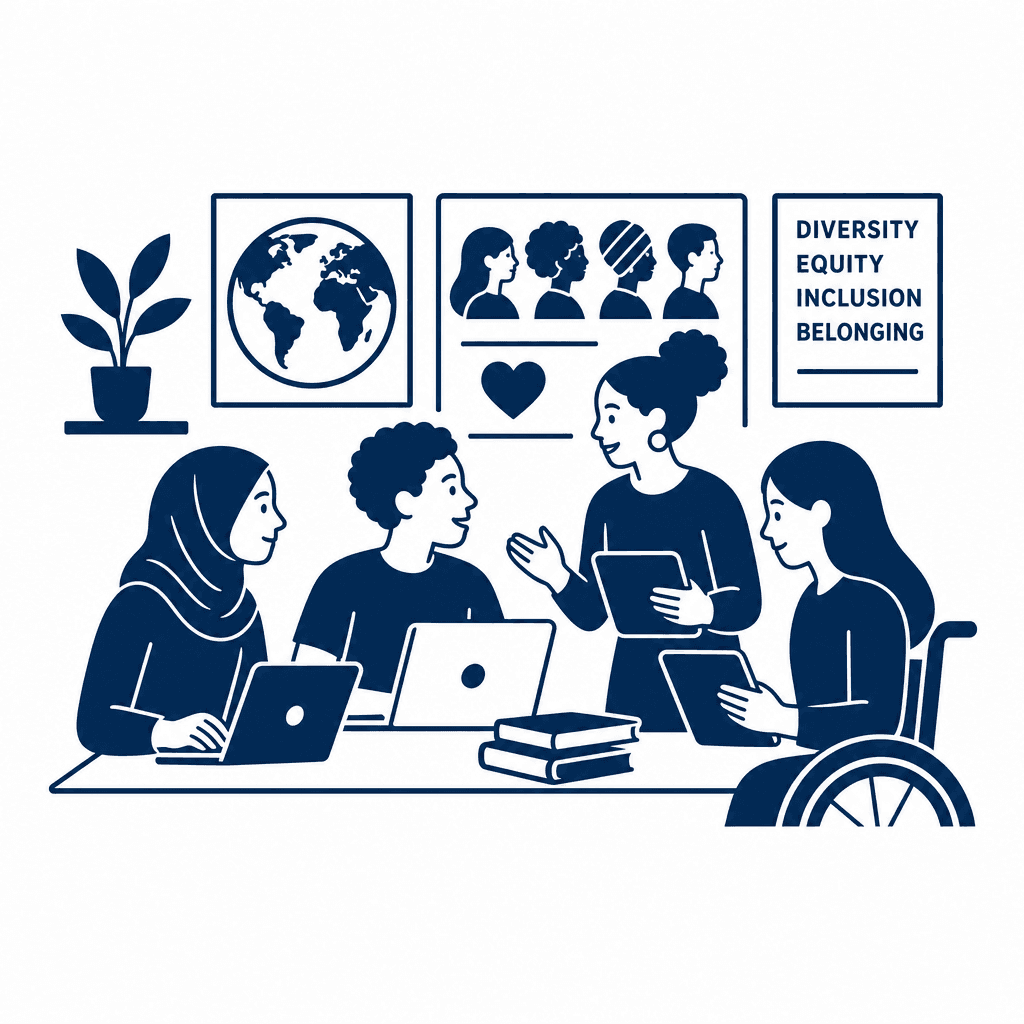
Culturally Responsive Teaching (CRT) is an essential approach that acknowledges the diverse backgrounds of students. This article explores the integration of CRT principles into Canvas course design, focusing on inclusive strategies that enhance student engagement and support equitable learning experiences. We will discuss actionable steps that educators can take to create a more inclusive environment for all learners.
Understanding Culturally Responsive Teaching
Culturally Responsive Teaching (CRT) is an educational framework designed to engage students from diverse backgrounds by recognizing and valuing their cultural experiences and identities. Its core principles include the affirmation of cultural diversity, the recognition of cultural differences in learning styles, and the promotion of equity in educational environments. CRT validates students’ cultural backgrounds, providing a foundation for rich learning experiences that resonate with their lived realities. Research shows that educators who embrace cultural competence can significantly influence student success and motivation. By understanding the various cultural contexts of their learners, educators can create an inclusive environment where all students feel seen and valued. For example, incorporating culturally relevant examples in discussions and assignments fosters a sense of belonging and encourages participation. This approach enhances classroom interactions, allowing students to connect their learning to their cultures. Furthermore, CRT fosters equity in learning outcomes by addressing systemic barriers that often disadvantage certain groups. When teachers and instructional designers integrate CRT into their practice, they cultivate an atmosphere of respect and understanding, leading to improved academic performance and student engagement across diverse demographics.
Principles of Inclusive Course Design
In the realm of online learning, inclusive course design is essential for fostering an equitable educational experience. Key principles of inclusive design prioritize accessibility, promoting learning environments that recognize and serve diverse cultural and linguistic backgrounds. Accessibility transcends compliance with standards; it embodies a commitment to understanding how race, language, and culture intersect with learning. To cater to various learning styles—visual, auditory, and kinesthetic—educators can employ diverse instructional methods, such as incorporating multimedia presentations, podcasts, and interactive simulations. These strategies acknowledge that students come from different backgrounds and learning preferences, thus fostering a richer educational experience. Moreover, assessments should reflect this inclusivity by adopting flexible methods. Providing choices in assignment formats—such as written essays, presentations, or projects—can allow students to demonstrate their knowledge in ways that resonate with their individual strengths. Formative assessments, including peer reviews or reflective journals, can offer additional avenues for engagement, promoting a deeper connection with course material. By implementing these methods, educators not only enhance student engagement but also validate the diverse identities within their classrooms, creating a supportive and more cohesive learning community.
Utilizing Canvas LMS Features for Inclusivity
Utilizing Canvas LMS Features for Inclusivity: Integrating Culturally Responsive Teaching (CRT) within the Canvas LMS requires leveraging its diverse features to create a more inclusive educational experience. Multimedia resources are paramount; incorporating videos, podcasts, and infographics that showcase various cultural perspectives can enrich the learning environment. For instance, using videos featuring speakers from different backgrounds can illuminate topics and provide students with varied viewpoints. Discussion boards in Canvas serve as essential tools for encouraging dialogue among students. By prompting open-ended questions that allow for personal experiences and cultural reflections, educators can create spaces where students feel valued and heard. Quizzes and assignments can be tailored not just for content mastery but to incorporate culturally relevant scenarios which resonate more with diverse students’ lived experiences. Customizing the Canvas interface can further enhance inclusivity. Utilizing features such as personalized welcome messages, providing multilingual options, and ensuring clear navigation can help students feel more connected. By exploring these tools, educators can create an atmosphere that not only acknowledges cultural diversity but actively engages and supports all learners in their educational journeys.
Creating Culturally Relevant Course Content
Creating course content that resonates with students' cultural experiences is central to implementing Culturally Responsive Teaching (CRT) in Canvas. Incorporating diverse authors and perspectives in your course materials not only validates students' identities but also enhances their engagement and understanding. To achieve this, start by curating reading lists and resources that reflect a variety of cultural backgrounds and experiences, ensuring that students see themselves represented in the curriculum. Use case studies and examples that reflect the diverse communities your students come from. Encourage critical discussions by framing questions that probe students' cultural contexts and personal experiences. This not only fosters a deeper understanding of the material but also allows students to connect their knowledge with real-world applications. Facilitating discussions can be done through Canvas discussion boards where students share viewpoints, creating a collaborative learning environment. Moreover, integrating culturally relevant resources—such as videos, podcasts, and articles from diverse voices—promotes a richer educational experience. By valuing different perspectives, you create an inclusive atmosphere that encourages all students to contribute, enhancing their investment in the learning process. This approach not only supports cultural engagement but also aligns with the principles of equity and inclusivity in education, setting the stage for meaningful interactions and learning outcomes.
Designing Inclusive Activities and Assessments
Designing activities that promote collaboration and respect for diversity is crucial in creating an inclusive learning space within Canvas. To achieve this, educators can strategically implement group projects that encourage students to work in diverse teams. By assigning roles based on students' strengths and backgrounds, you facilitate an environment of mutual respect and shared learning. Moreover, integrating peer reviews can foster an appreciation for different perspectives, allowing students to engage critically with each other's work and learn from varied cultural viewpoints. Interactive discussions can further enhance student engagement, particularly when using tools like discussion boards or video conferences within Canvas. Encourage students to share their experiences related to course content, prompting dialogues that validate and respect diverse opinions. Assessments should also be designed to allow for diverse expressions of knowledge. For example, instead of standard written essays, consider options such as multimedia presentations or creative projects that empower students to showcase their understanding in ways that resonate with their cultural backgrounds. To mitigate potential biases in assessments, utilize clear rubrics that emphasize diverse forms of expression, making it essential that all students feel equipped to demonstrate their skills effectively. This proactive design approach reinforces equity and promotes a deeper connection to the material.
Fostering a Supportive Learning Environment
Creating a supportive learning environment within Canvas courses is paramount for fostering equitable participation among all students. To establish trust and build positive relationships, educators must actively engage with their students, sharing personal experiences and encouraging open dialogue. This approach not only humanizes the learning experience but also demonstrates an investment in each student's unique background. One effective strategy is to implement regular feedback cycles that invite students to share their thoughts on course content and activities. This can be done through anonymous surveys or discussion boards, allowing for candid reflections. Using this feedback to adapt teaching practices ensures that they are responsive to the cultural needs of the learners. Additionally, create opportunities for students to collaborate and connect with one another. Incorporating icebreakers and community-building activities can help students feel valued and included. Encourage the sharing of cultural stories or practices, creating a rich tapestry of experiences that enhances learning for everyone. The journey of integrating Culturally Responsive Teaching into course design is ongoing. Regular evaluation and revisiting of teaching methodologies will sustain a dynamic learning environment, allowing instructors to continuously adapt to the diverse needs of their students, moving beyond initial implementation into deeper cultural engagement.
Conclusions
Incorporating Culturally Responsive Teaching into Canvas courses is vital for promoting inclusion and equity in education. Through practical strategies and a commitment to understanding diverse student backgrounds, educators can foster a richer learning environment. The steps outlined in this article empower educators to adapt their teaching practices and enhance student engagement, ensuring that all voices are valued and heard.