
Integrating AI-Powered Virtual Roleplay for Skill Practice and Coaching in Canvas
Explore how educators can leverage AI-driven virtual roleplay sessions and avatar-based coaching tools within Canvas LMS to provide students with safe, scalable environments for practicing complex skills, receiving instant feedback, and improving performance in various disciplines. This article will cover practical integration strategies, pedagogical considerations for designing effective roleplay scenarios, and tips for evaluating student progress.
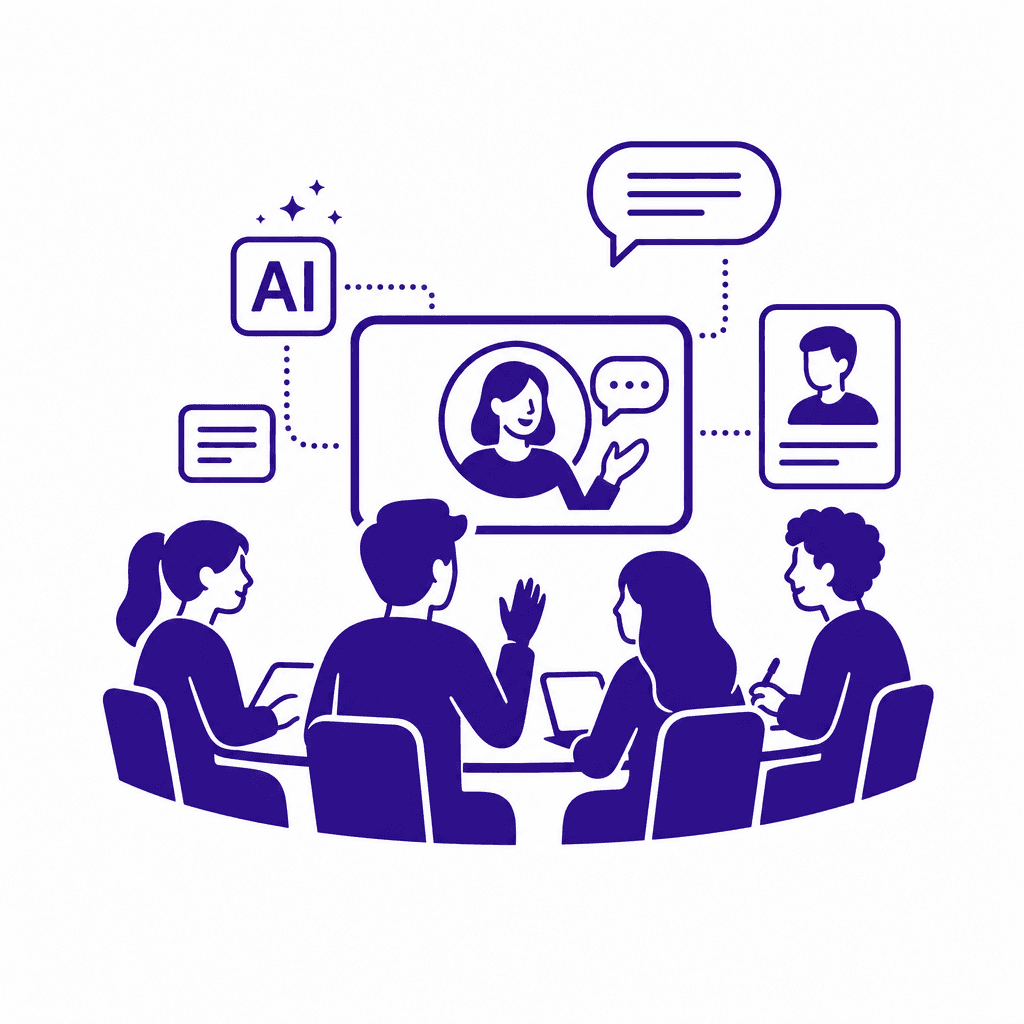
This article explores the integration of AI-powered virtual roleplay within the Canvas LMS to enhance skill development for students. By utilizing technology-driven roleplay scenarios and AI coaching, educators can create interactive and safe environments that foster experiential learning. This concept promotes effective practice and continuous feedback, enabling students to sharpen complex skills across various academic fields.
Understanding AI in Education
Artificial intelligence has become a transformative force in the educational sector, reshaping how students learn and how educators teach. One of the most significant capabilities of AI in education is its ability to create personalized learning experiences. Through sophisticated algorithms, AI can analyze individual students' learning styles, pace, and preferences. This allows for tailored educational content that meets diverse needs, making learning more effective and engaging. Moreover, AI-enhanced data analytics provide educators with insights into student performance and engagement levels. By analyzing patterns and trends, teachers can identify areas where students are struggling and adjust their instructional techniques accordingly. This proactive approach not only improves educational outcomes but also fosters a more responsive learning environment. AI also facilitates innovative teaching methods, such as virtual coaching and simulation-based learning, where students can practice complex skills in controlled settings. These advancements lead to enriched learning experiences where students receive instant feedback, enhancing both understanding and retention. As a result, the integration of AI is not just beneficial; it is foundational in developing engaging, adaptive educational frameworks that resonate with modern learners. Through these various applications, AI is paving the way for a more dynamic and inclusive educational landscape.
The Essence of Virtual Roleplay
Virtual roleplay has evolved significantly from its traditional roots in education, adapting to the needs of modern learners through technological advancements. Historically, roleplay focused on live interactions, where students would reenact scenarios, engaging their imagination while receiving formative feedback from peers and instructors. However, with the advent of AI and virtual environments, such as those found in Canvas LMS, the medium has transformed, offering students immersive experiences that allow for deeper emotional engagement. By creating a safe space for practice, virtual roleplay enables students to tackle complex skills without the fear of real-world consequences. They can explore various roles and scenarios, experimenting with different approaches in decision-making, problem-solving, and communication. This immersive experience is vital for experiential learning, as it fosters a greater understanding of various perspectives and enhances empathy among participants. Effective roleplay scenarios within Canvas can be designed using clear objectives, engaging narratives, and well-defined roles. The integration of AI tools further elevates this experience by providing instant feedback and analysis, which empower students to refine their skills actively. Thus, virtual roleplay not only transforms the landscape of skill development but also aligns seamlessly with the educational goals in a technology-driven era.
Canvas LMS: A Platform for Innovation
Canvas LMS stands as a robust platform for the integration of AI-powered tools and virtual roleplay sessions, seamlessly enhancing the educational experience. One of its standout features is customizable learning paths, allowing educators to tailor courses to individual student needs, making skill development more relevant and personal. This adaptability fosters a more engaging learning environment where students can navigate various roleplay scenarios aligned with their unique goals. The collaborative tools within Canvas further amplify student engagement. Features such as discussion boards and group projects can be utilized to facilitate peer-to-peer interactions, providing opportunities for students to practice communication and teamwork skills in a safe, simulated setting. In conjunction with AI-driven coaching avatars, educators can design real-time feedback mechanisms, helping students recognize their strengths and areas for improvement immediately. Accessibility options in Canvas ensure that all learners, regardless of ability, can access and benefit from AI-driven experiences. This inclusion fosters a growth mindset, where students feel empowered to participate actively in their learning process. With these capabilities, Canvas LMS provides an innovative framework for educators to leverage virtual roleplay as an effective tool for experiential learning and skill practice in various disciplines.
Designing Effective Roleplay Scenarios
Designing effective roleplay scenarios requires a careful balance of pedagogical intent and creative engagement. Educators should prioritize aligning these scenarios with clear learning objectives. For instance, mapping roleplay activities to specific competencies—such as communication, critical thinking, or problem-solving—ensures that students are practicing skills relevant to their academic and professional futures. Incorporating real-world challenges into scenarios enhances the authenticity of the experience. This involves careful research and understanding of the disciplines being taught, allowing educators to weave in case studies or systemic problems that students might encounter in their careers. Additionally, utilizing AI tools within Canvas can simulate various contextual variables, making the roleplay dynamic and reflective of actual situations. Assessment in roleplay should be multidimensional. While self-assessments enable students to reflect on their performance, educator feedback is vital for guiding the learning process. Clearly defined rubrics can help in evaluating both effort and outcome, balancing creativity with the structured goals of the lesson. Finally, fostering an environment where students feel safe to experiment without the fear of judgment is essential. Encouraging peer feedback during roleplays can lead to richer experiences and collaborative skill development, making the most of the Canvas platform's community features.
Implementing AI Roleplay in the Classroom
Implementing AI-driven virtual roleplay in the classroom through Canvas LMS requires careful preparation and strategic integration. Educators should first familiarize themselves with the technology stack available within Canvas and ensure that they harness compatible AI tools for roleplay. Consider using platforms that offer avatar-based coaching, allowing students to engage in simulations that mirror real-world scenarios effectively. Next, create a structured plan to orient students to this innovative approach. Prepare introductory sessions or tutorials that demonstrate how to use the virtual roleplay features. Set clear expectations regarding the learning outcomes and provide guidelines for participation. Encourage students to ask questions and express any concerns, fostering an environment where they feel safe to engage actively. To support students during their learning experiences, implement regular checkpoints for discussion and feedback, either through Canvas’ discussion boards or synchronous video calls. Create small peer groups where students can share insights and strategies for improvement. This promotes collaboration and helps build a supportive learning community. By facilitating this open dialogue, educators can cultivate resilience, adaptability, and a more profound commitment to skill development within the immersive roleplay context.
Evaluating Student Progress and Feedback
Evaluating student progress in AI-driven virtual roleplay scenarios requires a multifaceted approach that centers on both quantitative and qualitative measures. Educators can leverage analytics tools integrated within the Canvas LMS to collect data on student performance, such as engagement rates, decision-making pathways, and completion times. These metrics provide insights that help teachers to identify strengths, weaknesses, and areas for improvement. In addition to data collection, feedback mechanisms are crucial for student growth. Instant feedback can be embedded within roleplay scenarios, allowing learners to receive real-time guidance on their decisions and actions. Peer assessments can also foster a collaborative learning environment, where students can evaluate each other’s performances and offer constructive suggestions. To ensure that the evaluation process aligns with diverse student needs, reflection should be ingrained in the learning experience. Students can be encouraged to journal their insights and feelings about their performances, fostering metacognition and self-assessment. This reflective practice not only enhances learning but also helps educators adapt their approaches based on student feedback, ultimately making roleplay more effective for skill development. Regular adaptation of teaching strategies based on evaluation outcomes is essential for maximizing the potential of AI-driven roleplay in learning.
Conclusions
In summary, integrating AI-driven virtual roleplay in Canvas LMS presents an innovative approach to skill development. By fostering experiential learning within a secure platform, educators can effectively engage students and provide tailored feedback. Adopting these strategies empowers learners to refine their skills and improve overall performance, enriching their educational experience.
Understanding AI in Education
Artificial intelligence has become a transformative force in the educational sector, reshaping how students learn and how educators teach. One of the most significant capabilities of AI in education is its ability to create personalized learning experiences. Through sophisticated algorithms, AI can analyze individual students' learning styles, pace, and preferences. This allows for tailored educational content that meets diverse needs, making learning more effective and engaging. Moreover, AI-enhanced data analytics provide educators with insights into student performance and engagement levels. By analyzing patterns and trends, teachers can identify areas where students are struggling and adjust their instructional techniques accordingly. This proactive approach not only improves educational outcomes but also fosters a more responsive learning environment. AI also facilitates innovative teaching methods, such as virtual coaching and simulation-based learning, where students can practice complex skills in controlled settings. These advancements lead to enriched learning experiences where students receive instant feedback, enhancing both understanding and retention. As a result, the integration of AI is not just beneficial; it is foundational in developing engaging, adaptive educational frameworks that resonate with modern learners. Through these various applications, AI is paving the way for a more dynamic and inclusive educational landscape.
The Essence of Virtual Roleplay
Virtual roleplay has evolved significantly from its traditional roots in education, adapting to the needs of modern learners through technological advancements. Historically, roleplay focused on live interactions, where students would reenact scenarios, engaging their imagination while receiving formative feedback from peers and instructors. However, with the advent of AI and virtual environments, such as those found in Canvas LMS, the medium has transformed, offering students immersive experiences that allow for deeper emotional engagement. By creating a safe space for practice, virtual roleplay enables students to tackle complex skills without the fear of real-world consequences. They can explore various roles and scenarios, experimenting with different approaches in decision-making, problem-solving, and communication. This immersive experience is vital for experiential learning, as it fosters a greater understanding of various perspectives and enhances empathy among participants. Effective roleplay scenarios within Canvas can be designed using clear objectives, engaging narratives, and well-defined roles. The integration of AI tools further elevates this experience by providing instant feedback and analysis, which empower students to refine their skills actively. Thus, virtual roleplay not only transforms the landscape of skill development but also aligns seamlessly with the educational goals in a technology-driven era.
Canvas LMS: A Platform for Innovation
Canvas LMS stands as a robust platform for the integration of AI-powered tools and virtual roleplay sessions, seamlessly enhancing the educational experience. One of its standout features is customizable learning paths, allowing educators to tailor courses to individual student needs, making skill development more relevant and personal. This adaptability fosters a more engaging learning environment where students can navigate various roleplay scenarios aligned with their unique goals. The collaborative tools within Canvas further amplify student engagement. Features such as discussion boards and group projects can be utilized to facilitate peer-to-peer interactions, providing opportunities for students to practice communication and teamwork skills in a safe, simulated setting. In conjunction with AI-driven coaching avatars, educators can design real-time feedback mechanisms, helping students recognize their strengths and areas for improvement immediately. Accessibility options in Canvas ensure that all learners, regardless of ability, can access and benefit from AI-driven experiences. This inclusion fosters a growth mindset, where students feel empowered to participate actively in their learning process. With these capabilities, Canvas LMS provides an innovative framework for educators to leverage virtual roleplay as an effective tool for experiential learning and skill practice in various disciplines.
Designing Effective Roleplay Scenarios
Designing effective roleplay scenarios requires a careful balance of pedagogical intent and creative engagement. Educators should prioritize aligning these scenarios with clear learning objectives. For instance, mapping roleplay activities to specific competencies—such as communication, critical thinking, or problem-solving—ensures that students are practicing skills relevant to their academic and professional futures. Incorporating real-world challenges into scenarios enhances the authenticity of the experience. This involves careful research and understanding of the disciplines being taught, allowing educators to weave in case studies or systemic problems that students might encounter in their careers. Additionally, utilizing AI tools within Canvas can simulate various contextual variables, making the roleplay dynamic and reflective of actual situations. Assessment in roleplay should be multidimensional. While self-assessments enable students to reflect on their performance, educator feedback is vital for guiding the learning process. Clearly defined rubrics can help in evaluating both effort and outcome, balancing creativity with the structured goals of the lesson. Finally, fostering an environment where students feel safe to experiment without the fear of judgment is essential. Encouraging peer feedback during roleplays can lead to richer experiences and collaborative skill development, making the most of the Canvas platform's community features.
Implementing AI Roleplay in the Classroom
Implementing AI-driven virtual roleplay in the classroom through Canvas LMS requires careful preparation and strategic integration. Educators should first familiarize themselves with the technology stack available within Canvas and ensure that they harness compatible AI tools for roleplay. Consider using platforms that offer avatar-based coaching, allowing students to engage in simulations that mirror real-world scenarios effectively. Next, create a structured plan to orient students to this innovative approach. Prepare introductory sessions or tutorials that demonstrate how to use the virtual roleplay features. Set clear expectations regarding the learning outcomes and provide guidelines for participation. Encourage students to ask questions and express any concerns, fostering an environment where they feel safe to engage actively. To support students during their learning experiences, implement regular checkpoints for discussion and feedback, either through Canvas’ discussion boards or synchronous video calls. Create small peer groups where students can share insights and strategies for improvement. This promotes collaboration and helps build a supportive learning community. By facilitating this open dialogue, educators can cultivate resilience, adaptability, and a more profound commitment to skill development within the immersive roleplay context.
Evaluating Student Progress and Feedback
Evaluating student progress in AI-driven virtual roleplay scenarios requires a multifaceted approach that centers on both quantitative and qualitative measures. Educators can leverage analytics tools integrated within the Canvas LMS to collect data on student performance, such as engagement rates, decision-making pathways, and completion times. These metrics provide insights that help teachers to identify strengths, weaknesses, and areas for improvement. In addition to data collection, feedback mechanisms are crucial for student growth. Instant feedback can be embedded within roleplay scenarios, allowing learners to receive real-time guidance on their decisions and actions. Peer assessments can also foster a collaborative learning environment, where students can evaluate each other’s performances and offer constructive suggestions. To ensure that the evaluation process aligns with diverse student needs, reflection should be ingrained in the learning experience. Students can be encouraged to journal their insights and feelings about their performances, fostering metacognition and self-assessment. This reflective practice not only enhances learning but also helps educators adapt their approaches based on student feedback, ultimately making roleplay more effective for skill development. Regular adaptation of teaching strategies based on evaluation outcomes is essential for maximizing the potential of AI-driven roleplay in learning.
Conclusions
In summary, integrating AI-driven virtual roleplay in Canvas LMS presents an innovative approach to skill development. By fostering experiential learning within a secure platform, educators can effectively engage students and provide tailored feedback. Adopting these strategies empowers learners to refine their skills and improve overall performance, enriching their educational experience.