
K-12 AI Readiness Bridging Policy, Practice, and Canvas for Equitable Access
Explore strategies for K-12 educators and administrators to navigate the evolving national AI policy landscape. This guide provides actionable steps for integrating AI tools within Canvas LMS, with a focus on addressing resource disparities in rural districts and ensuring equitable access to AI learning opportunities for all students.
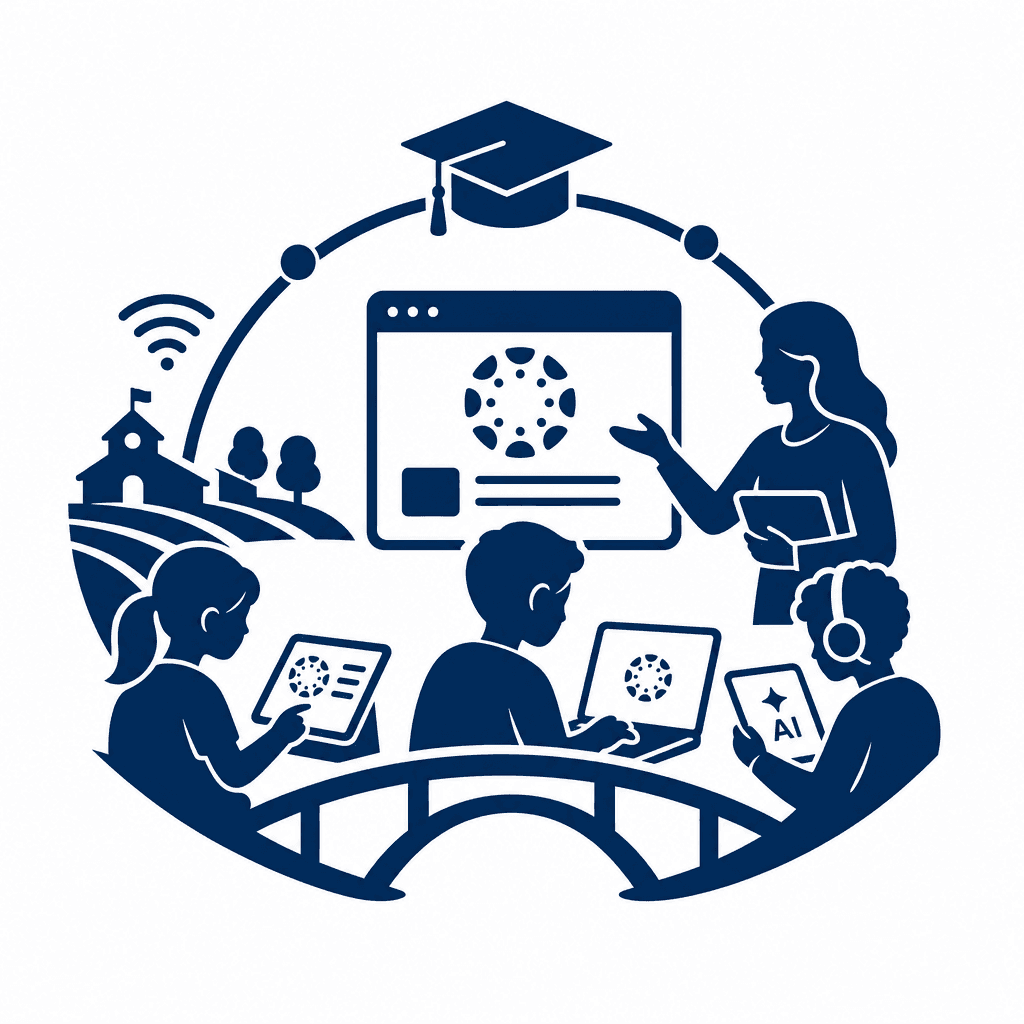
The integration of artificial intelligence (AI) into K-12 education has become paramount as policies evolve to support innovative teaching practices. This article examines the intersection of AI policy, practical implementation, and platforms like Canvas LMS, aiming to provide educators with actionable strategies to ensure equitable access, especially for rural schools facing unique challenges.
Understanding AI in K-12 Education
Artificial intelligence (AI) is reshaping K-12 education by enhancing the teaching and learning experience in unprecedented ways. AI tools offer capabilities that can significantly improve personalized education, enabling tailored learning paths that accommodate the unique needs of each student. By analyzing data on student performance, AI systems can provide insights that help educators identify knowledge gaps and adjust their curriculum accordingly. The implications of AI in education are profound for both students and teachers. Students benefit from adaptive learning technologies that respond in real time to their progress, promoting mastery of content at their own pace. For teachers, AI serves as a powerful tool for resource management, automating grading, and offering intelligent tutoring systems that can lead to more effective instructional strategies. Familiarity with the latest AI tools—such as intelligent tutoring systems, chatbots for student queries, and automated content curation—is crucial for educators. This awareness not only equips them to harness AI’s potential but also allows them to critically assess the ethical considerations surrounding its use, aligning educational practices with evolving standards. In an ever-changing landscape, understanding AI advances ensures that all educators are prepared to facilitate enriched learning experiences while addressing the diverse needs of their student populations.
Navigating the Evolving AI Policy Landscape
As K-12 educators navigate the evolving landscape of artificial intelligence policy, it is crucial to stay informed about national and state initiatives that guide the responsible use of AI tools in classrooms. In recent years, several key pieces of legislation have emerged, addressing the multifaceted implications of AI in education. For instance, the Every Student Succeeds Act (ESSA) emphasizes the need for equitable access to educational resources, making it essential for schools to consider how AI can bridge existing resource disparities. Additionally, federal initiatives such as the National AI Initiative Act of 2020 lay the groundwork for educational institutions to harness AI responsibly. Guidelines from the Department of Education recommend integrating AI literacy into curricula, which helps students develop critical thinking skills regarding technology. State-specific policies may also offer frameworks for implementing AI, such as privacy regulations ensuring student data protection. To align AI usage with educational standards, educators should actively monitor these policies while engaging in professional development focused on ethical AI applications. By understanding legislative landscapes, K-12 leaders can foster an inclusive environment that empowers all students, particularly in rural districts, to benefit from AI-enhanced learning opportunities.
Integrating AI Tools within Canvas LMS
Integrating AI tools within the Canvas Learning Management System (LMS) allows educators to enhance the learning experience while aligning with contemporary educational strategies. Canvas offers several built-in AI features, including adaptive learning technologies and automated grading systems. These tools can analyze student performance, allowing educators to tailor their instruction based on individual learning needs. To effectively integrate AI tools, educators can follow these actionable steps: 1. **Explore AI Features**: Familiarize yourself with the analytics dashboard to monitor student engagement. Use Canvas's integrated AI tools to assess where students struggle most and adjust your lesson plans accordingly. 2. **Personalize Assignments**: Leverage AI-driven suggestions to create personalized learning paths for students. This can be particularly valuable in diverse classrooms, ensuring that every learner receives tailored instruction. 3. **Automate Administrative Tasks**: Utilize AI for grading multiple-choice quizzes or discussions, freeing up educators' time for more targeted student interaction. This efficiency can significantly enhance instructional quality and engagement. 4. **Foster Collaboration**: Encourage collaborative projects through Canvas's discussion boards supplemented by AI assessments. Students can receive real-time feedback, enhancing learning outcomes. By embedding these AI strategies within Canvas, educators can foster a more engaging and adaptive learning environment, ultimately providing equitable access to valuable educational resources, especially for underserved populations.
Addressing Resource Disparities in Rural Schools
Rural schools face significant hurdles in integrating AI tools due to limited resources, infrastructure, and access to technology. Addressing these disparities requires a multifaceted approach to ensure that students in these areas can benefit from AI-enhanced educational opportunities. One effective strategy is forging partnerships with technology companies. By engaging in collaboration, rural schools can gain access to dedicated resources, training, and software. Tech companies often have programs designed to support under-resourced communities, and these collaborations can facilitate the provision of affordable or even free AI tools tailored for local classrooms. Community-based initiatives are equally vital. Schools can create outreach programs that involve local businesses, non-profits, and higher education institutions to foster a support network around technology access. Such initiatives can include tech literacy workshops for both educators and students, which can help demystify AI tools and empower users to utilize them effectively. Additionally, targeted funding campaigns, including grants and crowdfunding, should be prioritized. By actively seeking financial support through local, state, and federal channels, rural districts can secure vital resources for AI integration. These efforts can bridge the digital divide, ensuring that all students receive equal access to innovative educational technologies, ultimately enhancing their learning experiences.
Equitable Access to AI Learning Opportunities
Equitable access to AI learning opportunities is essential for creating an inclusive educational environment in K-12 schools, particularly in underserved regions. To ensure that diverse student populations benefit from AI advancements, educators and administrators can implement several best practices. First, fostering partnerships with local organizations can provide essential resources and training focused on AI literacy in rural areas. Collaborative initiatives between schools and tech companies can help bridge gaps in technology access. For instance, providing AI-driven learning tools and platforms, like Canvas LMS, with guided tutorials can empower students and teachers alike. Second, curricular integration of AI tools, tailored to meet the varying needs of students, is crucial. Using Canvas, educators can create personalized learning paths that cater to the unique abilities and interests of each student. This ensures that AI enhancements are utilized effectively across different educational contexts. Finally, ongoing community engagement and feedback loops will help administrators refine their approaches to AI access. Schools that have successfully implemented these strategies often report improved student engagement and performance. By prioritizing equitable access, K-12 educators can cultivate an enriched learning ecosystem that prepares all students for an AI-enhanced future.
Developing a Comprehensive EdTech Strategy
A comprehensive EdTech strategy is paramount in seamlessly integrating AI tools within K-12 education. Central to this strategy is robust professional development for educators. Training sessions must focus not only on how to use AI tools effectively but also on their pedagogical implications. Educators should be equipped to critically assess the efficacy and alignment of AI tools with curricular goals and student needs, fostering a culture of continuous improvement. Ongoing assessment of AI tools is crucial in ensuring they remain relevant and beneficial. Schools should establish a framework for evaluating the effectiveness of these tools on student engagement and learning outcomes. By gathering data on student performance and feedback, educators can make informed decisions on which tools to adopt or phase out. Community involvement is another vital component of a successful EdTech strategy. Engaging parents, local organizations, and stakeholders can provide invaluable insights and resources that enhance the educational ecosystem. Collaborations can lead to innovative solutions that address technology gaps, particularly in rural districts, allowing for the equitable distribution of AI learning opportunities. This holistic approach ensures students are not only exposed to cutting-edge technologies but also prepared for a future shaped by AI.
Conclusions
In summary, the integration of AI into K-12 education requires careful navigation of evolving policies and dedicated strategies for implementation, especially within platforms like Canvas LMS. By addressing resource disparities, fostering equitable access, and developing comprehensive EdTech strategies, educators can harness the power of AI to enrich learning opportunities for all students, particularly those in rural areas.
Understanding AI in K-12 Education
Artificial intelligence (AI) is reshaping K-12 education by enhancing the teaching and learning experience in unprecedented ways. AI tools offer capabilities that can significantly improve personalized education, enabling tailored learning paths that accommodate the unique needs of each student. By analyzing data on student performance, AI systems can provide insights that help educators identify knowledge gaps and adjust their curriculum accordingly. The implications of AI in education are profound for both students and teachers. Students benefit from adaptive learning technologies that respond in real time to their progress, promoting mastery of content at their own pace. For teachers, AI serves as a powerful tool for resource management, automating grading, and offering intelligent tutoring systems that can lead to more effective instructional strategies. Familiarity with the latest AI tools—such as intelligent tutoring systems, chatbots for student queries, and automated content curation—is crucial for educators. This awareness not only equips them to harness AI’s potential but also allows them to critically assess the ethical considerations surrounding its use, aligning educational practices with evolving standards. In an ever-changing landscape, understanding AI advances ensures that all educators are prepared to facilitate enriched learning experiences while addressing the diverse needs of their student populations.
Navigating the Evolving AI Policy Landscape
As K-12 educators navigate the evolving landscape of artificial intelligence policy, it is crucial to stay informed about national and state initiatives that guide the responsible use of AI tools in classrooms. In recent years, several key pieces of legislation have emerged, addressing the multifaceted implications of AI in education. For instance, the Every Student Succeeds Act (ESSA) emphasizes the need for equitable access to educational resources, making it essential for schools to consider how AI can bridge existing resource disparities. Additionally, federal initiatives such as the National AI Initiative Act of 2020 lay the groundwork for educational institutions to harness AI responsibly. Guidelines from the Department of Education recommend integrating AI literacy into curricula, which helps students develop critical thinking skills regarding technology. State-specific policies may also offer frameworks for implementing AI, such as privacy regulations ensuring student data protection. To align AI usage with educational standards, educators should actively monitor these policies while engaging in professional development focused on ethical AI applications. By understanding legislative landscapes, K-12 leaders can foster an inclusive environment that empowers all students, particularly in rural districts, to benefit from AI-enhanced learning opportunities.
Integrating AI Tools within Canvas LMS
Integrating AI tools within the Canvas Learning Management System (LMS) allows educators to enhance the learning experience while aligning with contemporary educational strategies. Canvas offers several built-in AI features, including adaptive learning technologies and automated grading systems. These tools can analyze student performance, allowing educators to tailor their instruction based on individual learning needs. To effectively integrate AI tools, educators can follow these actionable steps: 1. **Explore AI Features**: Familiarize yourself with the analytics dashboard to monitor student engagement. Use Canvas's integrated AI tools to assess where students struggle most and adjust your lesson plans accordingly. 2. **Personalize Assignments**: Leverage AI-driven suggestions to create personalized learning paths for students. This can be particularly valuable in diverse classrooms, ensuring that every learner receives tailored instruction. 3. **Automate Administrative Tasks**: Utilize AI for grading multiple-choice quizzes or discussions, freeing up educators' time for more targeted student interaction. This efficiency can significantly enhance instructional quality and engagement. 4. **Foster Collaboration**: Encourage collaborative projects through Canvas's discussion boards supplemented by AI assessments. Students can receive real-time feedback, enhancing learning outcomes. By embedding these AI strategies within Canvas, educators can foster a more engaging and adaptive learning environment, ultimately providing equitable access to valuable educational resources, especially for underserved populations.
Addressing Resource Disparities in Rural Schools
Rural schools face significant hurdles in integrating AI tools due to limited resources, infrastructure, and access to technology. Addressing these disparities requires a multifaceted approach to ensure that students in these areas can benefit from AI-enhanced educational opportunities. One effective strategy is forging partnerships with technology companies. By engaging in collaboration, rural schools can gain access to dedicated resources, training, and software. Tech companies often have programs designed to support under-resourced communities, and these collaborations can facilitate the provision of affordable or even free AI tools tailored for local classrooms. Community-based initiatives are equally vital. Schools can create outreach programs that involve local businesses, non-profits, and higher education institutions to foster a support network around technology access. Such initiatives can include tech literacy workshops for both educators and students, which can help demystify AI tools and empower users to utilize them effectively. Additionally, targeted funding campaigns, including grants and crowdfunding, should be prioritized. By actively seeking financial support through local, state, and federal channels, rural districts can secure vital resources for AI integration. These efforts can bridge the digital divide, ensuring that all students receive equal access to innovative educational technologies, ultimately enhancing their learning experiences.
Equitable Access to AI Learning Opportunities
Equitable access to AI learning opportunities is essential for creating an inclusive educational environment in K-12 schools, particularly in underserved regions. To ensure that diverse student populations benefit from AI advancements, educators and administrators can implement several best practices. First, fostering partnerships with local organizations can provide essential resources and training focused on AI literacy in rural areas. Collaborative initiatives between schools and tech companies can help bridge gaps in technology access. For instance, providing AI-driven learning tools and platforms, like Canvas LMS, with guided tutorials can empower students and teachers alike. Second, curricular integration of AI tools, tailored to meet the varying needs of students, is crucial. Using Canvas, educators can create personalized learning paths that cater to the unique abilities and interests of each student. This ensures that AI enhancements are utilized effectively across different educational contexts. Finally, ongoing community engagement and feedback loops will help administrators refine their approaches to AI access. Schools that have successfully implemented these strategies often report improved student engagement and performance. By prioritizing equitable access, K-12 educators can cultivate an enriched learning ecosystem that prepares all students for an AI-enhanced future.
Developing a Comprehensive EdTech Strategy
A comprehensive EdTech strategy is paramount in seamlessly integrating AI tools within K-12 education. Central to this strategy is robust professional development for educators. Training sessions must focus not only on how to use AI tools effectively but also on their pedagogical implications. Educators should be equipped to critically assess the efficacy and alignment of AI tools with curricular goals and student needs, fostering a culture of continuous improvement. Ongoing assessment of AI tools is crucial in ensuring they remain relevant and beneficial. Schools should establish a framework for evaluating the effectiveness of these tools on student engagement and learning outcomes. By gathering data on student performance and feedback, educators can make informed decisions on which tools to adopt or phase out. Community involvement is another vital component of a successful EdTech strategy. Engaging parents, local organizations, and stakeholders can provide invaluable insights and resources that enhance the educational ecosystem. Collaborations can lead to innovative solutions that address technology gaps, particularly in rural districts, allowing for the equitable distribution of AI learning opportunities. This holistic approach ensures students are not only exposed to cutting-edge technologies but also prepared for a future shaped by AI.
Conclusions
In summary, the integration of AI into K-12 education requires careful navigation of evolving policies and dedicated strategies for implementation, especially within platforms like Canvas LMS. By addressing resource disparities, fostering equitable access, and developing comprehensive EdTech strategies, educators can harness the power of AI to enrich learning opportunities for all students, particularly those in rural areas.