
Leveraging New Official Canvas Partners for Enhanced Course Development
Explore how recently announced official Canvas LMS partners can be strategically integrated to streamline course content creation, improve instructional workflows, and expand design possibilities within the Canvas ecosystem. This guide will provide actionable insights for educators and instructional designers to harness these new alliances for richer learning experiences.
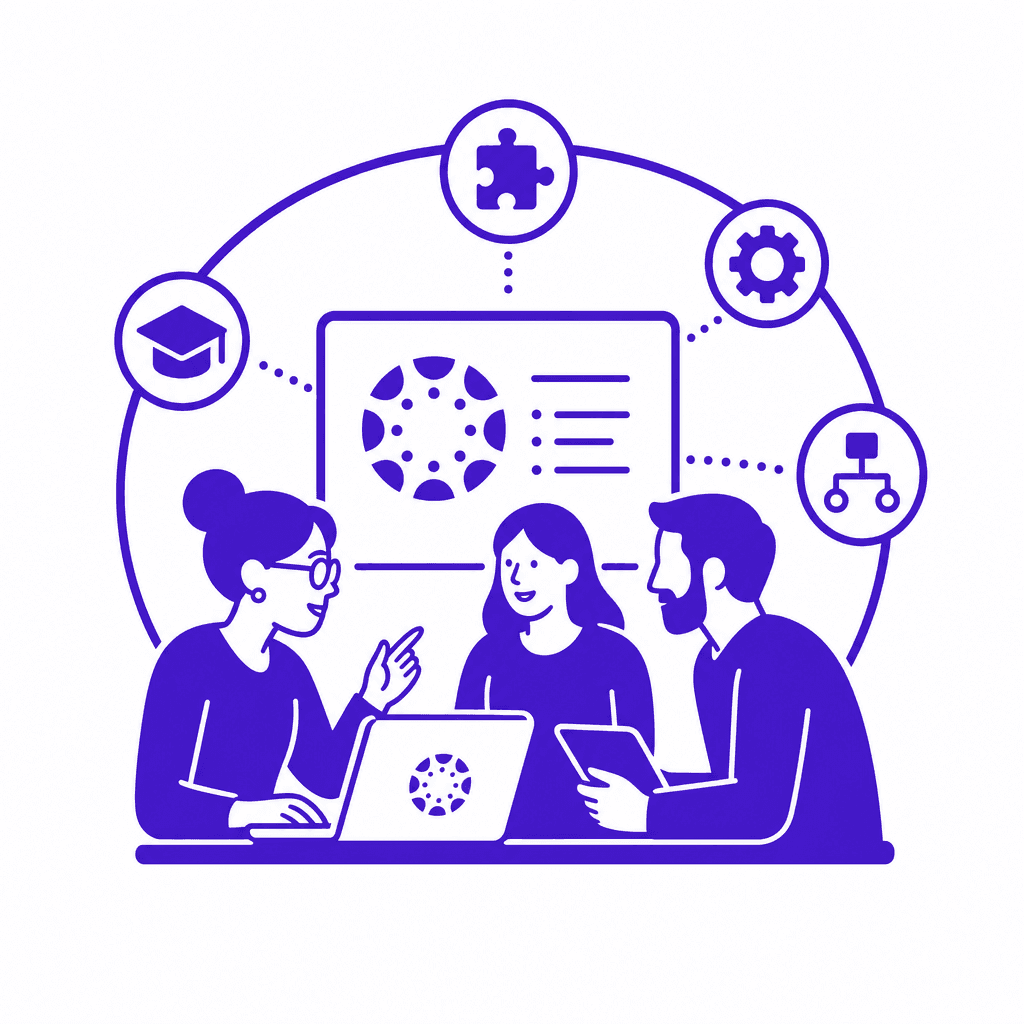
The Canvas Learning Management System (LMS) is evolving with new partnerships that enhance course development and instructional design. This article explores how these official Canvas partners can be integrated into educational practices to streamline content creation and improve workflows, ultimately enriching learning experiences for both educators and students.
Understanding Canvas LMS and Its Ecosystem
The Canvas Learning Management System (LMS) serves as a vital hub for educators, providing a robust platform for managing and delivering course content efficiently. Designed to streamline educational experiences, Canvas allows instructors to create, distribute, and assess assignments while providing a seamless interface for students to engage with their learning materials. Key features include easy-to-navigate dashboards, integrated communication tools, and analytics that help track student progress. The Canvas ecosystem is further enriched through a variety of integrations and partnerships that expand its capabilities. By leveraging APIs and third-party tools, educators can personalize their teaching approaches and enhance content delivery. From assessment tools to digital media resources, the partnerships within the Canvas ecosystem enable a more cohesive and enriched learning experience. These collaborations are critical as they not only support diverse learning styles but also provide educators with innovative resources that can improve instructional workflows. As we delve deeper into the realm of official Canvas partners, it becomes evident that their contributions are essential in evolving educational practices and facilitating more dynamic course design. By understanding this landscape, educators can optimize their use of Canvas and create engaging learning environments.
The Role of Official Partners in Education
Official partners of Canvas LMS play a pivotal role in the educational landscape by offering specialized tools and resources that significantly enhance teaching and learning experiences. These partnerships leverage the strengths of both Canvas and its collaborators, leading to the development of innovative solutions that streamline course design, improve instructional workflows, and expand the range of design possibilities available to educators. By integrating directly with the Canvas ecosystem, official partners provide educators with unique functionalities that address specific teaching needs. For instance, partnerships with analytics platforms can help educators track student engagement and performance metrics more effectively. Tools designed for multimedia content creation and integration allow for richer, more dynamic course materials, making learning more interactive and enjoyable. Past collaborations have yielded noteworthy advancements in course design. For example, partnerships with assessment tools have simplified the grading process and enabled personalized feedback, which is essential for student success. Similarly, integrations with collaborative platforms have fostered team-based projects, enhancing peer interaction and engagement. These advancements illustrate how official partners can significantly improve instructional workflows, positioning educators to create more effective and engaging learning environments.
Streamlining Course Content Creation with New Collaborations
Incorporating new official Canvas partners into course content creation can revolutionize how educators craft engaging materials. By leveraging these partnerships, educators can simplify collaboration and enhance multimedia integration. Start by utilizing tools from partners that specialize in content creation, such as interactive video or adaptive learning software, which enable the incorporation of dynamic media directly into Canvas courses. Utilizing collaborative features available through these platforms facilitates real-time communication among instructional designers and educators, allowing for immediate feedback on course materials. Tools that streamline version control and document sharing can reduce confusion and enhance productivity throughout the course development process. Moreover, implementing methodologies that encourage iterative design can lead to richer course content. For instance, applying a rapid prototyping technique allows educators to quickly build, test, and refine course components, increasing engagement with students. To maximize these benefits, establish clear protocols for using partner resources, and encourage exploration of diverse media types—like podcasts, infographics, and gamified elements—that can make learning experiences more interactive. By embracing these new tools, educators will create course materials that not only meet educational standards but also captivate and motivate learners.
Improving Instructional Workflows through Integration
The integration of new official Canvas LMS partners promises to significantly enhance instructional workflows, allowing educators to focus more on teaching rather than administrative tasks. By incorporating advanced EdTech tools, educators can automate repetitive tasks that often drain time and resources. For instance, platforms like Gradescope enable seamless integration for grading assessments, simplifying the grading process and providing instant feedback. This automation reduces turnaround time and enhances overall student engagement. Moreover, these integrations enhance communication channels between instructors and students. Tools such as Slack provide real-time messaging capabilities, allowing instructors to create dedicated channels for course discussions or announcements. This fosters a more dynamic learning environment where students feel more connected and informed about course developments. In addition to grading and communication, integrations with applications like Turnitin streamline the plagiarism detection process, ensuring academic integrity while saving instructors from manual checks. By leveraging these integrations, educators can create a more efficient workflow, where they can dedicate more energy to teaching and less to administrative burdens, ultimately enriching the learning experience in the Canvas ecosystem.
Expanding Design Possibilities in Canvas
The recent addition of official Canvas LMS partners presents exciting opportunities for expanding design possibilities in course development. These partners offer innovative design tools that empower educators and instructional designers to create interactive, learner-centered environments that foster engagement and boost retention. By integrating platforms such as interactive video technologies, collaborative design tools, and multimedia content creators, educators can craft experiences that cater to diverse learning styles and preferences. One such partner tool enhances course interactivity through gamified elements, allowing students to engage with materials in a dynamic and immersive way. Another partner focuses on simplifying multimedia integration, letting educators embed rich media seamlessly within their courses. These tools not only enhance student engagement but also support differentiated instruction, catering to varied learner needs. Equally important, accessibility and inclusivity are cornerstones of effective course design. Canvas partners prioritize universal design principles, ensuring that all learners, including those with disabilities, have equitable access to course content. By leveraging resources that emphasize accessibility, educators can create environments where every student has the opportunity to succeed. As educators embrace these innovative solutions, the Canvas ecosystem will flourish, paving the way for richer learning experiences that prioritize both engagement and inclusivity.
Actionable Insights for Educators and Instructional Designers
To effectively incorporate new official Canvas partners into educational practices, educators and instructional designers can follow several actionable insights. **Prioritize Integration:** Begin by identifying which official partners offer tools most relevant to your teaching objectives. For instance, look for partners specializing in interactive content creation, assessment tools, or analytics that can offer specific insights into student learning behaviors. **Pilot Programs:** Implement small-scale pilot programs using partner applications in select courses. Gather feedback from both students and faculty, which can be invaluable in refining their use and ensuring that they enhance rather than complicate course delivery. **Professional Development:** Invest time in understanding the functionalities of these partnerships. Hosting workshops or training sessions will empower faculty to effectively leverage new tools and seamlessly integrate them into their existing workflows. **Collaborative Design:** Facilitate interdisciplinary collaboration by involving subject matter experts and designers when incorporating these partner tools. This approach enhances creativity and leads to more comprehensive course designs, as diverse perspectives can yield unique and effective uses of technology. **Feedback Loops:** Establish ongoing feedback mechanisms to assess the effectiveness of integrated tools and strategies. Regularly review course analytics and student performance data to adapt and optimize instructional approaches, ensuring that the educational experience continually evolves.
Conclusions
By understanding and integrating the capabilities of new official Canvas partners, educators and instructional designers can transform their course development processes. These strategic alliances provide the tools and resources needed to enhance instructional workflows and create more engaging, interactive learning environments, ensuring a richer educational experience for all involved.