
Making Writing Visible in Canvas Strategies for Academic Integrity with AI
Explore practical Canvas-based strategies for educators to foster academic integrity by making student writing processes more transparent. Learn how to design assignments that encourage drafting, peer review, and iterative feedback loops, moving beyond AI detection to cultivate authentic student work.
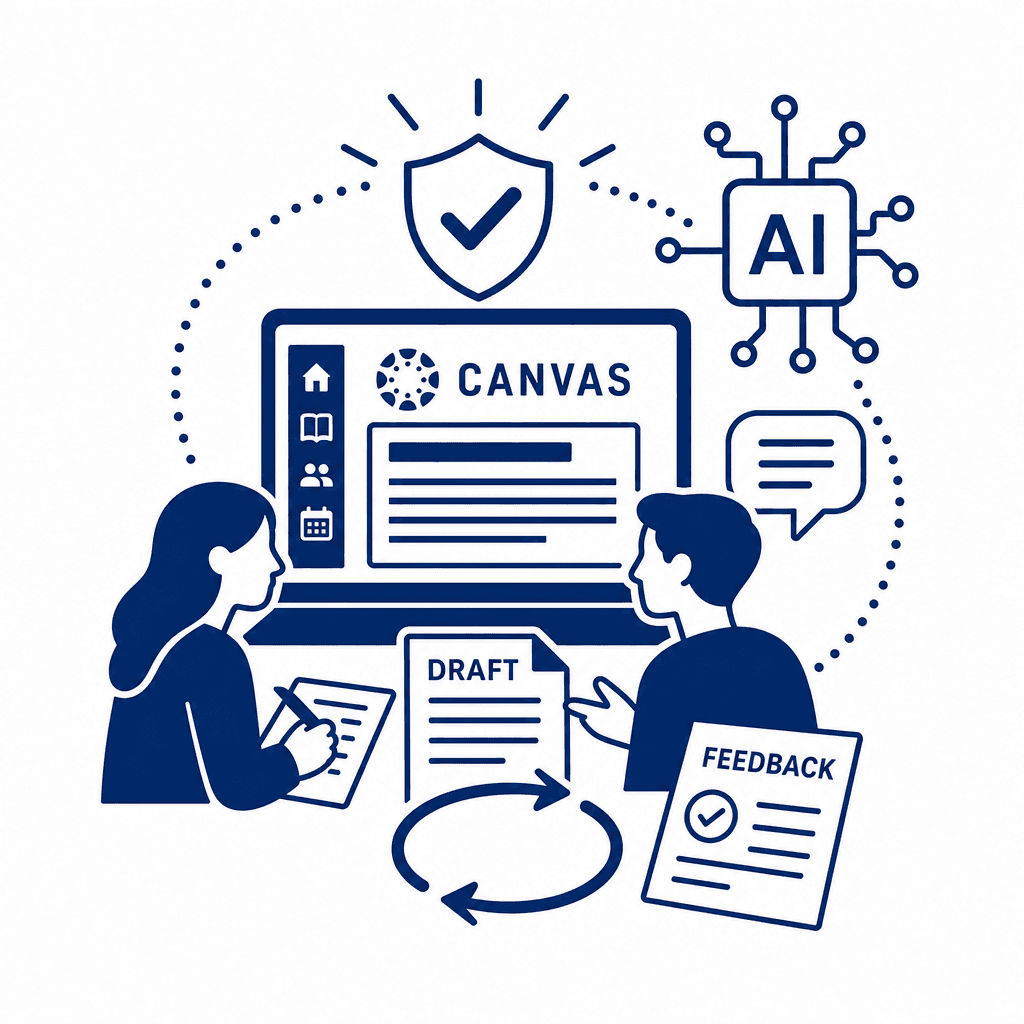
In an increasingly digital education landscape, the integration of AI and online platforms like Canvas presents unique challenges to academic integrity. This article explores how educators can enhance transparency in the writing processes of their students, promoting authentic work through innovative assignment design and formative assessment strategies. Discover practical approaches that go beyond mere detection of AI use.
Understanding Academic Integrity in the Digital Age
In an era where digital tools and artificial intelligence increasingly influence education, defining academic integrity becomes essential. At its core, academic integrity entails adhering to ethical standards, including honesty, trust, and responsibility in student work. However, the rapid advancement of AI technologies presents unique challenges, complicating the traditional understanding of authorship and originality. Students may be tempted to leverage AI-generated content without proper attribution or understanding, blurring the lines between independent learning and plagiarism. Fostering a culture of honesty and transparency is vital, particularly in online learning environments like Canvas. Educators play a crucial role in setting clear expectations for integrity through open communication about academic standards and practices. By embedding discussions of integrity into course content and maintaining an ongoing dialogue about its significance, instructors can guide students in understanding the implications of their actions. Formative assessments that encourage self-reflection and iterative learning processes are instrumental in shaping ethical behavior. When students actively engage in writing and revision, they are less likely to resort to dishonest practices, as they come to appreciate the value of their own voices and contributions. As institutions navigate the complexities of AI in education, a commitment to academic integrity will set the foundation for meaningful learning experiences.
The Role of Canvas in Supporting Writing Transparency
The Canvas Learning Management System (LMS) serves as a robust platform for enhancing the visibility and transparency of the writing process in educational settings. By utilizing specific features within Canvas, educators can effectively support students in developing authentic writing practices that align with academic integrity. One significant aspect is the assignment management system, which allows instructors to create scaffolded writing tasks. This ensures that students engage in multiple drafts before submitting a final product, effectively demystifying the writing process. Canvas facilitates draft tracking through its built-in submission features. Instructors can set up assignments that require students to submit preliminary drafts, allowing for layer-by-layer assessment. This feature not only fosters a sense of accountability but also enables educators to provide timely feedback on each stage of the writing journey. Furthermore, the peer review tools within Canvas enhance collaborative learning by incorporating structured feedback mechanisms. Students can review each other's drafts, promoting critical thinking and refining their writing skills. This environment empowers learners to internalize the writing process organically, reducing the temptation to rely on AI-generated text. Consequently, the integration of these Canvas features cultivates an academic culture rooted in transparency and authenticity, essential for promoting lasting academic integrity.
Designing Assignments that Encourage Drafting and Feedback
Designing assignments that promote drafting, peer review, and iterative feedback is crucial for encouraging authentic student writing and fostering academic integrity. In this context, leveraging the Canvas LMS can significantly enhance the writing process. One effective strategy is to structure assignments in multiple stages – for instance, requiring students to submit an initial draft, followed by a revised version based on peer feedback. This can be facilitated through Canvas's assignment features, which allow for multiple submissions and comments from peers. To implement peer review, educators can create a structured rubric within Canvas that guides students on what to look for when reviewing others’ work. This structured feedback not only helps students internalize the writing process but also promotes critical thinking as they engage with their peers’ writing. Another approach is to incorporate reflective activities where students analyze how their drafts evolved through feedback. For example, educators might ask students to submit a reflective essay that discusses changes made after peer review. By making the writing process visible and emphasizing the value of iterative improvement, these strategies can diminish the temptation to resort to AI-generated content, thereby cultivating a culture of authenticity and integrity in student work.
Setting Clear Expectations for Students
Setting clear expectations for students is crucial in promoting academic integrity within writing assignments. Educators must communicate the significance of the writing process, highlighting that the journey from brainstorming to the final draft is essential for true learning. By clearly outlining academic standards associated with originality, critical thinking, and revision, instructors can help students understand the expectations that accompany their work. Emphasizing the consequences of academic dishonesty cannot be overstated. When students grasp the severity of turning to improper means, such as AI-generated content, they are less likely to succumb to the temptation. Clear communication of both institutional policies and individual assignment requirements creates a reference point for students, helping them navigate the challenges of academic writing. In Canvas, educators can easily disseminate this information through assignment guidelines, rubrics, and discussion boards. Presenting examples of strong versus weak submissions reinforces expectations. Additionally, fostering an environment where students feel encouraged to seek guidance reduces anxiety and builds a culture of integrity. When students see the value placed on their thoughts and efforts, they are more inclined to engage authentically in their learning journey, ultimately minimizing reliance on AI tools.
Integrating Peer Review as a Formative Assessment Tool
Incorporating peer review into the writing process serves as an invaluable formative assessment tool that enhances academic integrity through collaborative learning. By allowing students to critique each other's work, educators foster an environment conducive to clarifying expectations and improving writing quality. Peer feedback provides students with diverse perspectives, encouraging them to consider multiple approaches to their writing. This collaborative dynamic not only cultivates critical thinking skills but also reinforces the importance of authenticity in their work. To structure effective peer review sessions within Canvas, educators can utilize built-in features such as discussion boards, peer review assignments, or group projects. These tools provide a platform for students to submit drafts and receive constructive feedback in a safe and structured environment. Setting clear guidelines for feedback, such as rubrics or specific focus areas, further enhances the review process, ensuring meaningful contributions that reflect course standards. Moreover, student engagement rises when they participate actively in the evaluation process, as they often feel more invested in their peers' success. This collective responsibility develops a deeper understanding of the writing process, promoting integrity as students internalize the significance of producing genuine work. In an era increasingly defined by AI, fostering such collaborative practices not only mitigates academic dishonesty but also strengthens the foundation of authentic learning experiences.
Moving Beyond Detection to Cultivate Authentic Work
As we navigate the evolving landscape of academic integrity in a world increasingly shaped by artificial intelligence, it is essential to shift our focus from merely detecting AI-generated work to fostering authentic writing practices among students. In the Canvas LMS, educators can design assignments that emphasize the writing process, encouraging students to engage deeply with their work. This approach creates a supportive environment where learning is valued over performance as measured by detection tools alone. To cultivate this culture, educators can implement iterative feedback loops where students receive guidance not just from peers, but also from instructors at various stages of their writing process. By emphasizing formative assessment, teachers can scaffold assignments in Canvas that allow for self-reflection, encouraging learners to take ownership of their writing and thought processes. Furthermore, integrating opportunities for students to articulate their ideas and the evolution of their work helps build a narrative around their writing. Encouraging students to document their revision process through Canvas journals or comment features promotes transparency and insight into their creative journey. The implications for educators are profound; by prioritizing authenticity and collaboration over simple compliance, they can cultivate a new generation of critical thinkers committed to integrity in an AI-infused educational landscape.
Conclusions
In conclusion, fostering academic integrity in the age of AI requires educators to embrace transparent writing processes within Canvas. By implementing strategies that emphasize drafting, peer reviews, and formative assessments, we can encourage genuine student engagement and creativity. Ultimately, this approach not only upholds academic standards but also enriches the learning experience for all students.