Moving Beyond Badges: Designing Impactful Gamification in Canvas for Deeper Learning
Explore strategies for implementing gamification in Canvas courses that go beyond superficial rewards. This article will guide educators and instructional designers on how to design engaging game-based elements that truly motivate learners, foster intrinsic motivation, and lead to deeper understanding and skill development, rather than just boosting completion rates. We'll cover practical Canvas features and third-party integrations for meaningful gamified experiences.
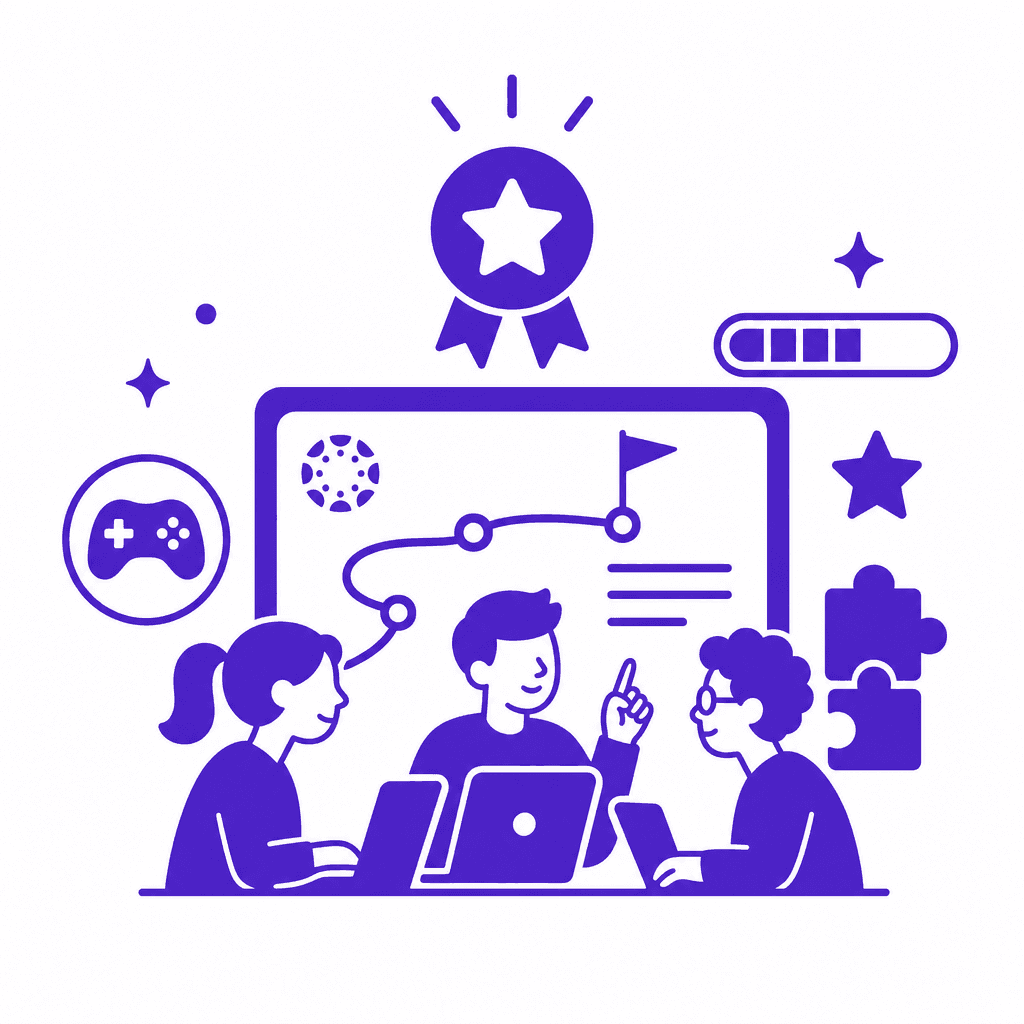
Gamification is revolutionizing how educators engage with students in Canvas LMS. By moving beyond traditional rewards like badges, this article explores innovative strategies that foster genuine motivation and deeper learning. We will delve into effective design elements, integrations, and features that enrich the educational experience, ultimately leading to enhanced learner engagement and meaningful outcomes.
Understanding Gamification in Education
Gamification in educational settings is profoundly influenced by the Canvas Learning Management System (LMS), which offers a robust framework for implementing engaging game-based elements tailored to foster deeper learning. Canvas equips educators with features that promote interactivity and participation, crucial for enhancing student motivation. For instance, the modular system in Canvas allows instructors to structure their courses in a way that resembles game levels. By designing modules that progressively build upon one another and align with learning objectives, educators can create a sense of advancement akin to leveling up in a game. In addition, quizzes in Canvas can be gamified by incorporating diverse question formats, immediate feedback, and time-based challenges, all of which enhance the thrill of learning and encourage repetition for mastery. Furthermore, mastery paths enable tailored learning experiences, allowing students to pursue topics at their own pace, fostering autonomy and deeper engagement. By utilizing these features, instructors can leverage Canvas to craft immersive experiences that promote not just retention but a profound understanding of course material. Through thoughtful integration of gamification strategies in Canvas, educators can pave the way for a culture of active learning and intrinsic motivation.
The Role of Canvas LMS in Gamification
The Canvas LMS provides a robust framework to implement gamification in course design, enabling educators to create interactive and engaging learning experiences that extend beyond mere completion metrics. One of the standout features of Canvas is its **modular structure**, allowing for the creation of flexible learning pathways where students can navigate through content at their own pace. Utilizing modules effectively can transform a linear progression into an exploratory journey, which aligns perfectly with game mechanics. **Quizzes** in Canvas can also be gamified to serve as performance checkpoints that not only assess knowledge but also provide instant feedback, essential for guiding learners toward mastery. Educators can design quizzes that offer hints or unlock new content upon successful completion, fostering a sense of achievement. Moreover, the **mastery paths** feature is critical in supporting differentiated instruction. By offering personalized learning trajectories based on student performance, instructors can motivate learners to engage deeply with material and tackle challenges tailored to their individual skill levels. This builds a sense of autonomy and encourages intrinsic motivation, enabling students to see progress in their learning journey. Incorporating these Canvas features effectively transforms traditional teaching methods into dynamic, game-like experiences that encourage deeper learning and sustained student engagement.
Designing Engaging Game-Based Elements
Designing engaging game-based elements in Canvas involves incorporating key components of effective game design that foster meaningful learning experiences. At the core, well-crafted **storylines** can immerse learners in relevant contexts where course content comes to life. A compelling narrative encourages students to connect emotionally with the material, enhancing their investment in the learning process. In addition to narratives, **challenges** are essential. These can take the form of problem-solving tasks, collaborative activities, or creative projects that require both critical thinking and teamwork. Engaging challenges push students to stretch their skills while providing a sense of accomplishment as they progress through the course. **Reward systems** should also be thoughtfully designed. Rather than merely offering superficial points or badges, rewards can include personalized feedback, access to exclusive content, or opportunities for peer recognition. This approach ensures that rewards are aligned with learning goals and stimulate deeper engagement. Finally, **meaningful feedback** plays a crucial role in reinforcing learning. Canvas's integrated tools can be used to provide timely, constructive feedback, helping students understand their strengths and areas for improvement while encouraging continuous progress. By integrating these game design elements, educators can create a vibrant learning environment that captivates student interest and promotes sustained engagement, leading to deeper understanding and skill development.
Fostering Intrinsic Motivation Through Gamification
Fostering intrinsic motivation is crucial for the effectiveness of gamification strategies in Canvas courses. Drawing from Self-Determination Theory, which posits that autonomy, competence, and relatedness are vital for motivation, educators can intentionally design experiences that tap into these areas. To promote *autonomy*, offer students choices in their learning path. For instance, provide options for activities that align with course objectives but allow freedom in how they engage with the material—be it through video projects, written assignments, or collaborative group work. Encouraging *competence* can be achieved through progressively challenging tasks that allow learners to experience success. Integrate assessments that offer immediate, constructive feedback, fostering a sense of achievement while guiding improvement. Lastly, fostering *relatedness* can be addressed by creating opportunities for collaborative projects or peer review systems where learners can connect meaningfully. Furthermore, embedding narrative elements into the course could enhance these aspects. For example, framing tasks within a storyline that promotes teamwork and shared goals not only engages students but also cultivates a supportive learning community, reinforcing their motivation to participate and succeed.
Integrating Third-Party Tools for Enhanced Gamified Learning
Integrating third-party tools within Canvas can significantly elevate the gamified learning experience, moving beyond basic reward systems to create meaningful and interactive educational opportunities. Tools that offer interactive content, such as Nearpod or H5P, allow educators to develop immersive lessons that engage students in active learning. These tools support a variety of formats, including quizzes, simulations, and collaborative activities, encouraging learners to participate more deeply in the material. Leaderboards, facilitated by tools like Classcraft or Kahoot!, can foster a sense of camaraderie and healthy competition among students. These platforms track progress while providing instant feedback, which not only motivates learners but also nurtures a community where students feel connected and supported in their learning journey. Analytics tools such as Canvas' native analytics dashboard or external systems like Google Analytics can provide educators with crucial insights into learner behavior and engagement levels. By monitoring these metrics, instructional designers can identify which game elements resonate with students, allowing for iterative improvements tailored to evolving learning needs. This combination of interactivity, competition, and data-driven insights amplifies engagement and strengthens the effectiveness of gamified experiences in Canvas courses, ultimately promoting deeper learning and genuine skill development.
Measuring the Impact of Gamification on Learning Outcomes
Measuring the effectiveness of gamification in Canvas courses requires a multifaceted approach that goes beyond mere completion metrics. It is essential to utilize assessment strategies designed to capture learner engagement, satisfaction, and skill acquisition. One effective method involves deploying surveys and feedback forms that solicit student perceptions about their motivation and interest in the gamified elements. Questions should focus on whether learners feel more engaged and if they believe that the gamification has contributed to their understanding of core concepts. Incorporating analytics tools available within Canvas, along with third-party integrations, can provide quantitative data on student interactions with game elements. Track metrics such as participation rates in discussions and activities, quiz performance before and after gamification, and time spent on various tasks. Continuous feedback is vital; incorporate iterative assessments that allow educators to make timely adjustments to game elements. For instance, if learners are disengaged from a particular game mechanic, it may indicate a need for redesign. Conducting regular check-ins and adapting gamified features based on diverse student needs ensures that personalized experiences are cultivated, fostering deeper learning and skill development over time.
Conclusions
Incorporating thoughtful gamification into Canvas courses can transform the learning environment by promoting deeper engagement and intrinsic motivation. By utilizing various strategies and tools presented in this article, educators can create meaningful experiences that not only improve skill mastery but also cultivate a love for learning that extends beyond the classroom.