
Navigating AI in IEP Meetings: A Guide for K-12 Teachers Using Canvas
As parents increasingly use AI to prepare for IEP meetings, K-12 educators need strategies to understand, address, and leverage AI's role in these critical discussions. This guide will provide actionable advice for teachers on how to navigate AI-generated reports, advocate for student needs, and maintain a human-centered approach within the Canvas LMS context.
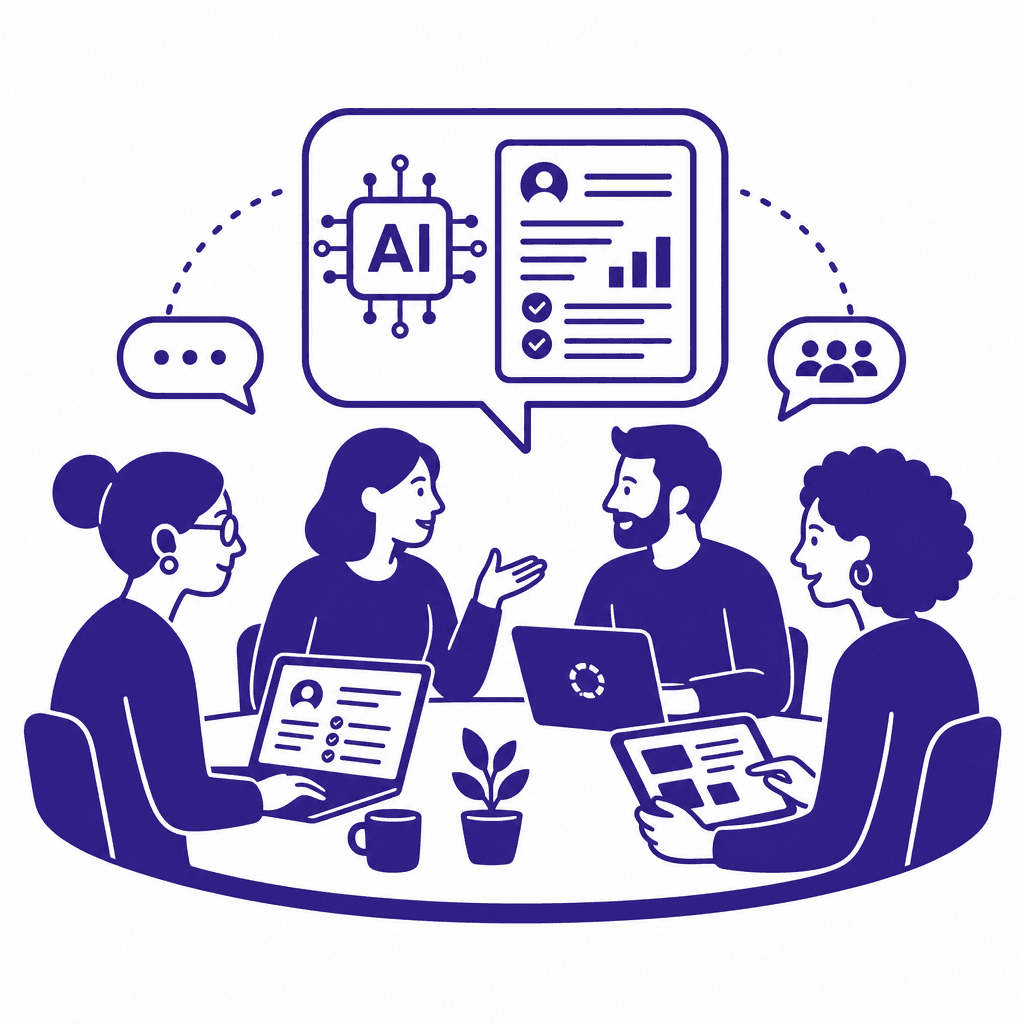
As artificial intelligence (AI) becomes prevalent in educational settings, teachers must adapt to its use in Individualized Education Program (IEP) meetings. This guide aims to equip K-12 educators with strategies to effectively understand and utilize AI-generated resources while ensuring that student needs remain at the forefront in discussions facilitated through platforms like Canvas LMS.
Understanding AI in Education
The integration of AI technologies into the IEP process offers unique advantages for parents and educators alike. Many parents leverage AI tools for information gathering, utilizing platforms that analyze educational data and synthesize insights into student performance. This aids in generating comprehensive reports that supplement traditional documentation. Parents may find AI-generated insights more accessible, offering tailored suggestions and strategies for meeting their child’s needs. As teachers encounter insights produced by AI, they must discern the distinctions between AI-generated recommendations and traditional data sources. While AI can provide predictive analytics based on extensive datasets, teacher experience and contextual understanding of a student’s unique challenges remain irreplaceable. Furthermore, AI can analyze patterns in learning behaviors that might go unnoticed through conventional assessments. Effective educator responses during IEP meetings should embrace AI as a supplementary tool, validating its insights while emphasizing the importance of collaboration and personalization. By balancing AI-generated recommendations with hands-on observations, teachers can foster a comprehensive, student-centered approach that enhances IEP outcomes and drives informed decision-making. This integration cultivates an environment where both educators and parents can confidently advocate for students’ individualized needs.
AI in the Context of IEP Meetings
In the context of IEP meetings, AI technology offers new avenues for parents to prepare more effectively. Many parents are now leveraging AI tools to gather information regarding interventions, accommodations, and best practices tailored to their child's needs. These applications can streamline the preparation process, generating insights that inform parents about educational strategies and resources aligned with their child's learning profile. It is crucial for educators to discern between AI-generated insights and traditional data sources, such as teacher observations and standardized assessments. While AI can provide valuable statistical analyses and predictive modeling, it lacks the nuanced understanding of a child's unique experiences within the classroom environment. Teachers should remain vigilant, recognizing that AI tools serve to augment, not replace, the deep knowledge they bring to student assessments. In preparation for IEP meetings, educators can benefit from actively addressing AI-generated insights. Teachers should engage parents in discussions that clarify the distinctions between AI recommendations and their firsthand observations. By fostering an open dialog, teachers can better advocate for individualized and effective solutions, ensuring that the student’s needs remain the focal point of the meeting.
Navigating AI-Generated Reports
As teachers prepare for IEP meetings, it's essential to develop strategies for interpreting and critiquing AI-generated reports effectively. These reports can offer valuable insights, but relying solely on them without verification may lead to misunderstandings about a student's needs. Start by cross-referencing the data in AI reports with traditional sources such as observational notes, previous assessments, and academic records. This ensures a more comprehensive understanding of each student's unique situation. Understanding key metrics in AI-generated reports is crucial. Focus on specific indicators like performance trends and engagement levels, but don't overlook the qualitative aspects of a student's learning journey. These metrics can illuminate areas of strength and concern, empowering you to advocate for appropriate services and supports during meetings. Additionally, collaborate with colleagues to share interpretations of AI insights. This peer dialogue can enhance your critical thinking and ensure that you fully grasp the implications of the data. Remember, while AI can provide significant data-driven insights, it’s imperative to blend these findings with your expertise and understanding of the student's individual context to create a balanced approach that champions their needs.
The Human Element in IEP Discussions
As AI integrates into the educational landscape, it is crucial to maintain a human-centered approach during IEP meetings. While AI can provide valuable insights, the essence of these discussions revolves around understanding the unique needs of each student. Effective communication strategies are vital for fostering collaboration among all stakeholders, including families, teachers, and specialists. Encouraging an open dialogue that prioritizes empathy and active listening is key to enhancing IEP discussions. Teachers can start by **actively engaging** parents and guardians, inviting them to share their perspectives and concerns. This not only validates their role in their child's education but also builds trust among participants. During meetings, educators can use reflective listening techniques, summarizing parents' input to ensure their feelings and observations are heard and understood. Furthermore, creating a welcoming atmosphere where all voices are valued can significantly improve the quality of discussions. Teachers should invite specialists to share their assessments and insights while also encouraging parents to express their aspirations for their children. By focusing on collaboration and understanding rather than merely ticking boxes in an agenda, stakeholders can work together to create meaningful, tailored educational plans. This human-centered approach ensures that the benefits of AI complement, rather than replace, the invaluable human element in IEP meetings.
Leveraging Canvas LMS for Inclusive IEP Meetings
Leveraging Canvas LMS for Inclusive IEP Meetings: The Canvas Learning Management System (LMS) offers potent features that facilitate inclusive IEP meetings, enhancing collaboration among educators, parents, and specialists. One of the key strengths of Canvas is its ability to centralize resources. Teachers can create dedicated IEP course shells where all essential documents, such as evaluations, previous IEPs, and AI-generated reports, are easily accessible for all participants. This ensures that everyone has up-to-date information at their fingertips. Moreover, Canvas supports collaborative document creation through tools like Google Docs integration. Educators can invite parents and specialists to contribute directly to shared documents, fostering real-time collaboration and engagement. This not only empowers parents but also helps to demystify the IEP process, aligning everyone toward the shared goal of student success. Tracking student progress within Canvas is also straightforward. Educators can utilize the gradebook and assignment features to monitor individual goals outlined in the IEP. By regularly updating these metrics, teachers can provide ongoing feedback during meetings. Best practices dictate that educators should also consider utilizing announcements or discussion boards within Canvas to facilitate ongoing communication prior to the meeting, thus setting a collaborative tone. Integrating these technologies with AI tools can further enrich the IEP process while ensuring a human-centered, inclusive approach.
Developing Teacher Strategies for Effective Advocacy
As K-12 educators navigate the evolving landscape of AI in IEP meetings, developing effective advocacy strategies is crucial. One foundational approach is to engage in targeted professional development that emphasizes AI literacy, enabling teachers to critically assess AI-generated insights and reports. Schools can offer workshops or training sessions focused on understanding AI capabilities and limitations, fostering a knowledgeable teaching staff equipped to interpret data in the context of individual student needs. Collaboration with AI experts is another strategic avenue. By partnering with specialists in educational technology, teachers can gain deeper insights into how AI can be utilized responsibly and effectively within IEP discussions. Establishing a network of support among teachers, administrators, and AI professionals can facilitate knowledge sharing and promote best practices in advocacy. Additionally, it is vital for educators to stay informed about evolving edtech policies and innovations. Regularly reviewing local and national guidelines can empower teachers to align their advocacy efforts with legal and ethical standards. Remaining engaged with professional organizations and attending relevant conferences can enhance understanding and practice regarding AI's role in education, ultimately ensuring that student voices and needs are prioritized in IEP meetings.
Conclusions
In summary, navigating AI's influence in IEP meetings requires teachers to strike a balance between technology and personal engagement. By understanding AI's applications, advocating for students, and employing thoughtful strategies within the Canvas LMS framework, educators can foster meaningful and effective discussions that prioritize student needs and promote collaborative partnerships with families.
Understanding AI in Education
The integration of AI technologies into the IEP process offers unique advantages for parents and educators alike. Many parents leverage AI tools for information gathering, utilizing platforms that analyze educational data and synthesize insights into student performance. This aids in generating comprehensive reports that supplement traditional documentation. Parents may find AI-generated insights more accessible, offering tailored suggestions and strategies for meeting their child’s needs. As teachers encounter insights produced by AI, they must discern the distinctions between AI-generated recommendations and traditional data sources. While AI can provide predictive analytics based on extensive datasets, teacher experience and contextual understanding of a student’s unique challenges remain irreplaceable. Furthermore, AI can analyze patterns in learning behaviors that might go unnoticed through conventional assessments. Effective educator responses during IEP meetings should embrace AI as a supplementary tool, validating its insights while emphasizing the importance of collaboration and personalization. By balancing AI-generated recommendations with hands-on observations, teachers can foster a comprehensive, student-centered approach that enhances IEP outcomes and drives informed decision-making. This integration cultivates an environment where both educators and parents can confidently advocate for students’ individualized needs.
AI in the Context of IEP Meetings
In the context of IEP meetings, AI technology offers new avenues for parents to prepare more effectively. Many parents are now leveraging AI tools to gather information regarding interventions, accommodations, and best practices tailored to their child's needs. These applications can streamline the preparation process, generating insights that inform parents about educational strategies and resources aligned with their child's learning profile. It is crucial for educators to discern between AI-generated insights and traditional data sources, such as teacher observations and standardized assessments. While AI can provide valuable statistical analyses and predictive modeling, it lacks the nuanced understanding of a child's unique experiences within the classroom environment. Teachers should remain vigilant, recognizing that AI tools serve to augment, not replace, the deep knowledge they bring to student assessments. In preparation for IEP meetings, educators can benefit from actively addressing AI-generated insights. Teachers should engage parents in discussions that clarify the distinctions between AI recommendations and their firsthand observations. By fostering an open dialog, teachers can better advocate for individualized and effective solutions, ensuring that the student’s needs remain the focal point of the meeting.
Navigating AI-Generated Reports
As teachers prepare for IEP meetings, it's essential to develop strategies for interpreting and critiquing AI-generated reports effectively. These reports can offer valuable insights, but relying solely on them without verification may lead to misunderstandings about a student's needs. Start by cross-referencing the data in AI reports with traditional sources such as observational notes, previous assessments, and academic records. This ensures a more comprehensive understanding of each student's unique situation. Understanding key metrics in AI-generated reports is crucial. Focus on specific indicators like performance trends and engagement levels, but don't overlook the qualitative aspects of a student's learning journey. These metrics can illuminate areas of strength and concern, empowering you to advocate for appropriate services and supports during meetings. Additionally, collaborate with colleagues to share interpretations of AI insights. This peer dialogue can enhance your critical thinking and ensure that you fully grasp the implications of the data. Remember, while AI can provide significant data-driven insights, it’s imperative to blend these findings with your expertise and understanding of the student's individual context to create a balanced approach that champions their needs.
The Human Element in IEP Discussions
As AI integrates into the educational landscape, it is crucial to maintain a human-centered approach during IEP meetings. While AI can provide valuable insights, the essence of these discussions revolves around understanding the unique needs of each student. Effective communication strategies are vital for fostering collaboration among all stakeholders, including families, teachers, and specialists. Encouraging an open dialogue that prioritizes empathy and active listening is key to enhancing IEP discussions. Teachers can start by **actively engaging** parents and guardians, inviting them to share their perspectives and concerns. This not only validates their role in their child's education but also builds trust among participants. During meetings, educators can use reflective listening techniques, summarizing parents' input to ensure their feelings and observations are heard and understood. Furthermore, creating a welcoming atmosphere where all voices are valued can significantly improve the quality of discussions. Teachers should invite specialists to share their assessments and insights while also encouraging parents to express their aspirations for their children. By focusing on collaboration and understanding rather than merely ticking boxes in an agenda, stakeholders can work together to create meaningful, tailored educational plans. This human-centered approach ensures that the benefits of AI complement, rather than replace, the invaluable human element in IEP meetings.
Leveraging Canvas LMS for Inclusive IEP Meetings
Leveraging Canvas LMS for Inclusive IEP Meetings: The Canvas Learning Management System (LMS) offers potent features that facilitate inclusive IEP meetings, enhancing collaboration among educators, parents, and specialists. One of the key strengths of Canvas is its ability to centralize resources. Teachers can create dedicated IEP course shells where all essential documents, such as evaluations, previous IEPs, and AI-generated reports, are easily accessible for all participants. This ensures that everyone has up-to-date information at their fingertips. Moreover, Canvas supports collaborative document creation through tools like Google Docs integration. Educators can invite parents and specialists to contribute directly to shared documents, fostering real-time collaboration and engagement. This not only empowers parents but also helps to demystify the IEP process, aligning everyone toward the shared goal of student success. Tracking student progress within Canvas is also straightforward. Educators can utilize the gradebook and assignment features to monitor individual goals outlined in the IEP. By regularly updating these metrics, teachers can provide ongoing feedback during meetings. Best practices dictate that educators should also consider utilizing announcements or discussion boards within Canvas to facilitate ongoing communication prior to the meeting, thus setting a collaborative tone. Integrating these technologies with AI tools can further enrich the IEP process while ensuring a human-centered, inclusive approach.
Developing Teacher Strategies for Effective Advocacy
As K-12 educators navigate the evolving landscape of AI in IEP meetings, developing effective advocacy strategies is crucial. One foundational approach is to engage in targeted professional development that emphasizes AI literacy, enabling teachers to critically assess AI-generated insights and reports. Schools can offer workshops or training sessions focused on understanding AI capabilities and limitations, fostering a knowledgeable teaching staff equipped to interpret data in the context of individual student needs. Collaboration with AI experts is another strategic avenue. By partnering with specialists in educational technology, teachers can gain deeper insights into how AI can be utilized responsibly and effectively within IEP discussions. Establishing a network of support among teachers, administrators, and AI professionals can facilitate knowledge sharing and promote best practices in advocacy. Additionally, it is vital for educators to stay informed about evolving edtech policies and innovations. Regularly reviewing local and national guidelines can empower teachers to align their advocacy efforts with legal and ethical standards. Remaining engaged with professional organizations and attending relevant conferences can enhance understanding and practice regarding AI's role in education, ultimately ensuring that student voices and needs are prioritized in IEP meetings.
Conclusions
In summary, navigating AI's influence in IEP meetings requires teachers to strike a balance between technology and personal engagement. By understanding AI's applications, advocating for students, and employing thoughtful strategies within the Canvas LMS framework, educators can foster meaningful and effective discussions that prioritize student needs and promote collaborative partnerships with families.