Navigating Canvas Data Delivery Pauses: A Guide for Admins and Educators
Explores the implications of Canvas pausing data delivery due to potential security threats, providing actionable steps for LMS administrators to assess impact, communicate with faculty, and ensure data integrity and continuity of learning. Also offers advice for educators on immediate classroom strategies.
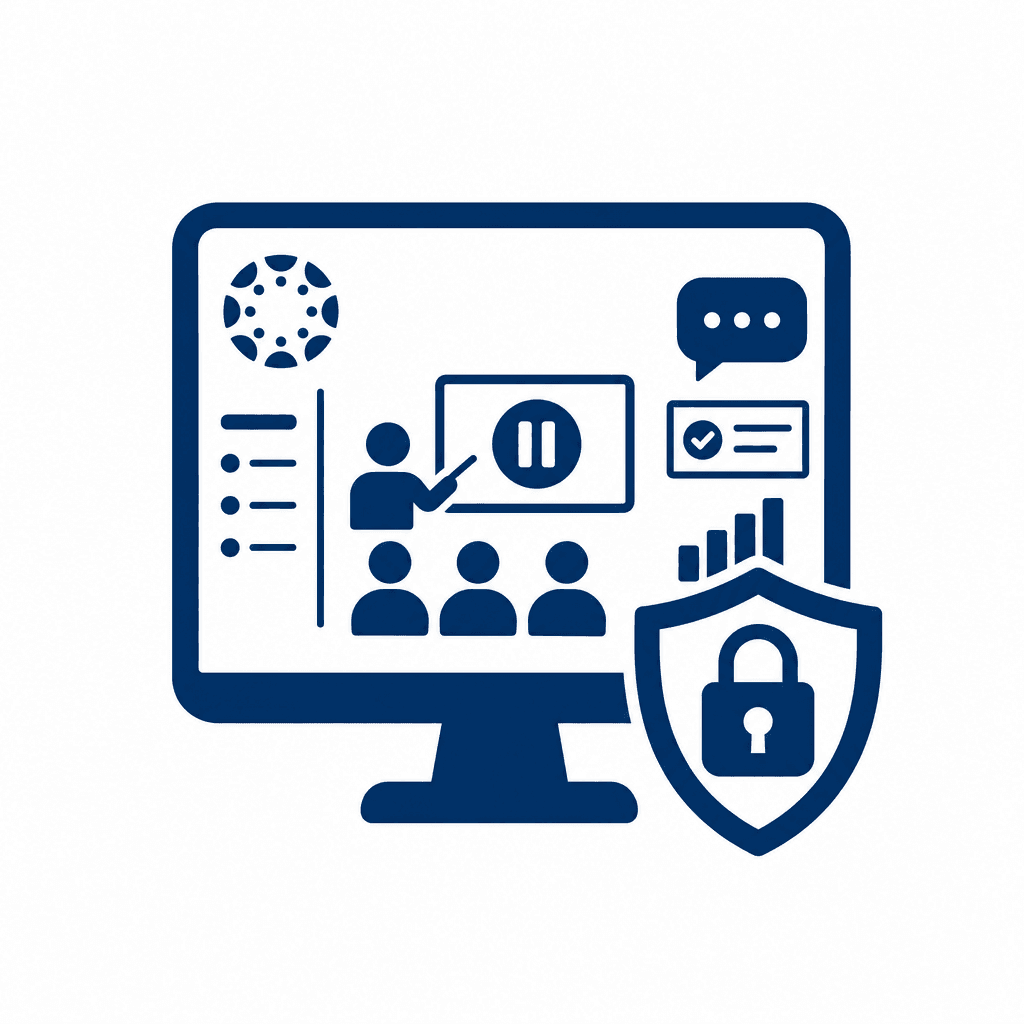
In today's digital learning environment, the integrity of academic data is paramount. This article delves into the challenges posed when Canvas LMS pauses data delivery due to security concerns, offering critical insights for administrators and educators to respond effectively. Through actionable steps and strategies, we will explore maintaining data continuity and ensuring effective communication during these disruptive events.
Understanding Data Delivery Pauses in Canvas
Data delivery pauses in the Canvas LMS represent a critical proactive measure instituted by educational institutions to safeguard sensitive information. Such interruptions are typically triggered by potential security threats or compliance issues, such as data breaches or unauthorized access attempts that may compromise the integrity of the learning environment. In running a reliable online educational platform, maintaining data integrity is paramount. Any disruption not only jeopardizes the sanctity of academic records but also affects user trust in the system. For administrators and educators alike, data delivery pauses present significant implications. Administrators must navigate the technical challenges that arise from these interruptions, which can lead to delayed access to essential data needed for administrative functions. This can affect course scheduling, faculty reporting, and communications with students. On the educators' side, the interruption of data flow can hinder their ability to assess student engagement and performance accurately, which in turn impacts academic outcomes. It is crucial for both parties to remain informed about the reasons behind these pauses, as well as their duration and impacts, to devise appropriate responses that ensure a minimal disruption to teaching and learning.
Assessing the Impact on Learning and Operations
To assess the impact of data delivery pauses on learning and operations, LMS administrators should adopt a systematic approach that focuses on several critical areas. First, monitor user engagement metrics, such as login frequency and time spent on the platform. These metrics will provide insights into how the pause might affect student participation and interaction with course materials.
Next, evaluate academic performance data, including assignment submissions, quiz completions, and overall grades. A sudden drop in these metrics may indicate that students are struggling to access necessary resources or that they are disengaging due to uncertainty about the pause. It is essential to collect documentation during this period, including feedback from both students and faculty about course accessibility and any obstacles encountered.
Additionally, ensure that course materials remain available and accessible to students despite the data delivery pause. Consider alternative methods for content distribution, such as external file-sharing services, as a temporary solution. By proactively gathering and analyzing this information, administrators can understand the full scope of the impact—ultimately enabling better decision-making and support for both faculty and students during these challenging times.
Developing an Effective Communication Strategy
Developing an effective communication strategy during data delivery pauses is crucial for maintaining trust and collaboration between LMS administrators and faculty. Ensuring transparency and timeliness in messaging can alleviate concerns and foster a supportive environment. Key components of a successful communication strategy include: 1. **Regular Updates**: Communicate frequently about the status of data delivery pauses, explaining why they occur and the steps being taken to resolve them. Provide updates on anticipated timelines and any potential impacts on courses. 2. **Clear Messaging**: Use simple, jargon-free language when conveying technical information. An example could be explaining data security concerns in terms of protecting student information rather than using technical terms that may confuse educators unfamiliar with IT language. 3. **Feedback Channels**: Establish avenues for faculty to ask questions and voice their concerns. This can be through dedicated email threads, forums, or scheduled Q&A sessions. 4. **Resource Sharing**: Provide accessible resources, including FAQs and contact info for tech support, helping faculty understand alternative methods to continue their teaching efforts. By integrating these elements, LMS administrators can ensure that communication is not only effective but also engages faculty members in a way that reinforces their critical role during data delivery pauses, ultimately supporting the continuity of learning.
Ensuring Data Integrity and Continuity of Learning
To maintain data integrity and ensure continuity of learning during a data delivery pause, LMS administrators must proactively implement multiple strategies. First, establishing robust backup options is crucial. Regularly scheduled backups of course content and student data should be a standard practice, allowing for quick recovery should any data loss occur. Utilize cloud storage solutions that allow for real-time syncing to preserve up-to-date content. Next, developing clear data recovery methods is essential. Administrators should be trained on how to restore data from backups effectively and efficiently. Creating a documented incident response plan outlining specific roles and responsibilities will streamline recovery processes during emergencies. Providing alternative resources for students can also significantly mitigate impacts. Ensure that offline resources such as textbooks, PDFs, and other learning materials are readily available and that students are aware of their locations. Virtual meeting tools and discussion boards can facilitate continued engagement and group collaboration outside of the LMS. Lastly, solidify policies and procedures that support these strategies. Clear guidelines will reinforce the institution's commitment to educational goals, reassuring both faculty and students that learning will continue despite technical disruptions.
Immediate Classroom Strategies for Educators
During a data delivery pause, educators must adapt their teaching strategies to maintain engagement and facilitate learning effectively. Agility and creativity become paramount as traditional learning pathways are interrupted. Here are several actionable strategies to consider:
- Leverage Offline Resources: Utilize printed materials, textbooks, and supplementary resources that don't require an internet connection. This ensures students can continue learning without accessing the LMS.
- Embrace Alternative Assessment Methods: Incorporate formative assessments that don't rely on the LMS, such as quizzes on paper, group presentations, or video submissions through shared platforms like Google Drive or Dropbox.
- Facilitate Collaborative Learning: Encourage group work through in-person discussions or small projects that utilize existing resources. Tools like discussion boards in classroom settings can foster a sense of community and learning.
- Communicate Regularly: Keep an open line of communication with students through email or group messaging platforms. Provide updates on lesson plans and alternative resources readily available.
- Utilize Class Time Wisely: Restructure class time to focus on hands-on activities or discussions that enhance critical thinking and problem-solving skills, making the most of in-person interactions.
By embracing these strategies, educators can ensure that learning remains continuous and dynamic, even amidst interruptions in data delivery.
Moving Forward: Enhancing Preparedness for Future Challenges
To effectively navigate future data delivery pauses, it is essential for institutions to establish a robust preparedness plan. This plan should include clear incident response protocols that delineate the steps to take when a pause occurs, ensuring that both LMS administrators and educators understand their roles in maintaining continuity of learning. Investing in regular training sessions can equip your staff with the skills and knowledge necessary to respond rapidly to potential data security threats, fostering a culture of resilience within the institution. Moreover, it is crucial to review and update security measures periodically. By conducting thorough audits of existing systems and protocols, you can identify potential vulnerabilities before they become issues. Engaging in tabletop exercises that simulate various scenarios related to data security can also enhance your preparedness, allowing the team to practice their responses in a controlled environment. Proactive planning not only mitigates risks but also instills confidence among faculty and students. When staff members are assured that their institution is prepared for disruptions, they are more likely to adapt successfully. As a result, investing time and resources into preparedness not only enhances data security but also solidifies the integrity of the educational experience, ensuring ongoing engagement and support for learning objectives.
Conclusions
In summary, navigating data delivery pauses in Canvas LMS requires a proactive approach from both administrators and educators. By effectively assessing the impact, communicating transparently, and implementing classroom strategies, institutions can ensure data integrity and minimize disruptions to learning. The right response not only secures academic data but also fosters resilience in educational practices.