Navigating New Federal Edtech Guidance: Practical Implications for Canvas Schools
With the Department of Education's new edtech guidance, schools need to understand the implications for their learning environments. This article will translate federal recommendations into practical steps for K-12 and higher education teachers, instructional designers, and LMS administrators using Canvas. Learn how to align your instructional practices, course design, and technology adoption strategies with new policy frameworks, ensuring compliance while enhancing learning outcomes within Canvas.
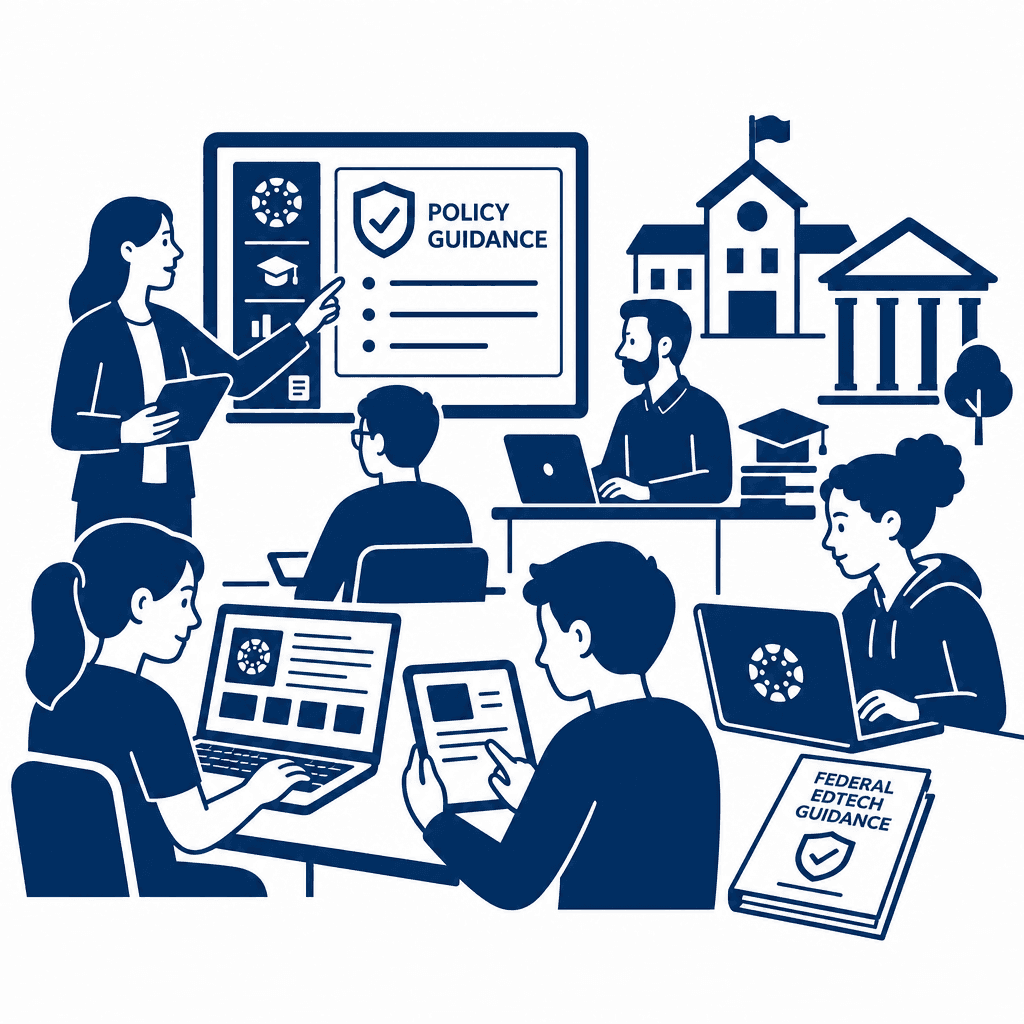
The recent federal edtech guidance from the Department of Education brings significant implications for K-12 and higher education institutions using Canvas. This article delves into how schools can interpret these guidelines into actionable practices, ensuring compliance with the new policies while enhancing educational experiences for all stakeholders involved.
Understanding Edtech Policy Changes
The recent federal edtech policy changes have significant implications for the use of the Canvas Learning Management System (LMS). Canvas is uniquely positioned to align with the Department of Education’s new guidelines, particularly through its robust suite of accessibility tools that enhance learning experiences for all students, including those with disabilities. Features such as screen reader compatibility, keyboard navigation, and customizable color contrast settings are critical for compliance with accessibility standards. Moreover, Canvas offers stringent data privacy measures that adhere to federal recommendations, ensuring that both student information and instructional content are safeguarded. This is essential for maintaining trust and transparency within educational settings, fostering a secure environment for learning. Alongside these features, Canvas provides powerful analytics tools that can help educators monitor student progress and engagement. By leveraging analytics, teachers can identify at-risk students and tailor interventions to support equitable learning outcomes. This aligns with federal objectives of equity and inclusion, allowing schools to utilize data-informed strategies to enhance instructional practices. Ultimately, by taking advantage of these capabilities within Canvas, educators and LMS administrators can seamlessly integrate compliance with federal edtech guidelines into their daily operations, ensuring that technology not only meets regulatory standards but also enriches the learning environment for every student.
Implications for Canvas LMS Usage
The new federal edtech guidance significantly impacts the usage of the Canvas Learning Management System (LMS), enhancing its alignment with accessibility and equity objectives. Canvas encompasses various features designed to support compliance, including built-in accessibility tools that cater to diverse learners. These tools, such as text-to-speech options, customizable text sizes, and color contrast settings, empower educators to create inclusive environments, ensuring that all students can engage meaningfully with content. Data privacy is another critical area addressed by the updated guidance. Canvas adheres to stringent data security measures, allowing educators and administrators to manage sensitive student information while fostering a safe online learning atmosphere. By utilizing features such as anonymous grading and secure data storage, Canvas users can confidently navigate compliance challenges associated with student privacy. Additionally, analytics tools within Canvas provide insights into student performance and engagement, helping educators identify gaps in learning. This data-centric approach facilitates targeted interventions, fostering equitable learning opportunities by addressing the unique needs of each learner. By leveraging these features, schools can align their Canvas usage with federal recommendations, ensuring that they create a compliant and effective learning environment.
Aligning Instructional Practices
As schools work to align their instructional practices with the new federal edtech guidance, K-12 and higher education educators must focus on integrating technology meaningfully into their curricula. This begins by identifying learning objectives that are inclusive and accessible, ensuring all students—regardless of ability—can engage with the material. Educators should leverage Canvas's tools to create interactive modules that both accommodate diverse learning needs and foster collaboration among students. One effective strategy is to utilize multimedia content—videos, podcasts, and interactive simulations—to cater to varied learning styles. This promotes engagement while enhancing comprehension. Furthermore, incorporating adaptive learning technologies within Canvas can help personalize the learning experience, allowing educators to track student progress and adjust instructional methods accordingly. Professional development is critical for teachers to feel confident in their technology integration. Schools should provide ongoing training that emphasizes compliance with federal recommendations, such as data privacy and accessibility standards. By fostering a culture of continuous learning, educators will be better equipped to adapt their methodologies to meet compliance expectations, thus enriching the educational experience and ensuring equitable access for all students.
Course Design in the Context of Compliance
In the context of the new federal edtech guidance, instructional designers must focus on creating courses within Canvas that not only engage learners but also adhere to compliance standards. A critical step is to incorporate design principles that prioritize interactivity and inclusivity. Utilizing multimedia elements, such as videos, podcasts, and interactive quizzes, can enhance student engagement while catering to various learning styles. To ensure compliance, instructional designers should integrate accessibility features systematically. This includes using alt text for images, captioning videos, and structuring content with appropriate headings and lists. Following the Web Content Accessibility Guidelines (WCAG) is essential, as this aligns with federal mandates for accessible educational resources. Additionally, establishing clear learning objectives that align with both course content and federal guidelines is vital. Designers should adopt backward design principles, starting with desired outcomes and working towards appropriate assessments and learning activities. Regular reviews and iterative feedback can refine courses, ensuring they meet both compliance requirements and the evolving needs of learners. Collaborating with LMS administrators and educators can create a cohesive approach to course design that ultimately enhances learning outcomes and fosters a compliant educational environment within Canvas.
LMS Administration: Best Practices for Compliance
As LMS administrators, maintaining compliance with federal edtech guidelines within the Canvas environment is crucial. An essential practice is to implement regular updates to the LMS. This involves not only keeping Canvas itself updated but also ensuring that any plugins or third-party tools integrated into the platform are in line with the latest standards and permissions set forth by federal regulations. Training staff on compliance requirements is another vital practice. Offering workshops and tutorials on how to create accessible content and handle student data securely can empower educators and content creators to comply with the new guidelines effectively. Providing easily digestible resources, such as checklists and guides, can help staff stay informed and vigilant. Additionally, ensuring that all digital content meets accessibility standards is paramount. Tools like the WAVE Web Accessibility Evaluation Tool can assist in identifying accessibility issues within course materials. Furthermore, resources such as the Web Content Accessibility Guidelines (WCAG) should guide content creation efforts. By prioritizing these practices, LMS administrators can ensure that their institutions not only comply with federal edtech guidelines but also create a supportive learning environment for all users within Canvas.
Enhancing Learning Outcomes through Strategic Technology Adoption
Strategic technology adoption within the Canvas LMS ecosystem plays a critical role in enhancing learning outcomes while remaining compliant with federal edtech guidance. Schools must not only implement innovative tools but also ensure that these technologies align with instructional goals and policy frameworks. A well-coordinated approach allows educators to leverage technology effectively, creating a dynamic learning environment that caters to diverse student needs. To maximize the impact of educational technologies, ongoing evaluation and feedback mechanisms are essential. Within Canvas, educators can utilize analytics tools to track student engagement and performance data. By continuously assessing how students interact with course materials, instructional designers can adapt and refine course content and delivery methods. This iterative process ensures that instructional practices remain responsive to the evolving needs of learners. Additionally, implementing surveys and focus groups to gather student feedback can provide insights into their experiences with the technology and coursework. Such input is invaluable for making informed decisions about future technology adoptions. By fostering a culture of continuous improvement based on real-time data and user perspectives, schools can not only comply with federal guidelines but also create enriching learning experiences that drive student success.
Conclusions
In integrating federal edtech guidelines into Canvas, schools can transform their instructional practices, course design, and technology strategies. By adhering to these new frameworks, educators and administrators set the stage for more effective learning environments, ultimately enhancing student outcomes and ensuring compliance with federal recommendations.
Understanding Edtech Policy Changes
The recent federal edtech policy changes have significant implications for the use of the Canvas Learning Management System (LMS). Canvas is uniquely positioned to align with the Department of Education’s new guidelines, particularly through its robust suite of accessibility tools that enhance learning experiences for all students, including those with disabilities. Features such as screen reader compatibility, keyboard navigation, and customizable color contrast settings are critical for compliance with accessibility standards. Moreover, Canvas offers stringent data privacy measures that adhere to federal recommendations, ensuring that both student information and instructional content are safeguarded. This is essential for maintaining trust and transparency within educational settings, fostering a secure environment for learning. Alongside these features, Canvas provides powerful analytics tools that can help educators monitor student progress and engagement. By leveraging analytics, teachers can identify at-risk students and tailor interventions to support equitable learning outcomes. This aligns with federal objectives of equity and inclusion, allowing schools to utilize data-informed strategies to enhance instructional practices. Ultimately, by taking advantage of these capabilities within Canvas, educators and LMS administrators can seamlessly integrate compliance with federal edtech guidelines into their daily operations, ensuring that technology not only meets regulatory standards but also enriches the learning environment for every student.
Implications for Canvas LMS Usage
The new federal edtech guidance significantly impacts the usage of the Canvas Learning Management System (LMS), enhancing its alignment with accessibility and equity objectives. Canvas encompasses various features designed to support compliance, including built-in accessibility tools that cater to diverse learners. These tools, such as text-to-speech options, customizable text sizes, and color contrast settings, empower educators to create inclusive environments, ensuring that all students can engage meaningfully with content. Data privacy is another critical area addressed by the updated guidance. Canvas adheres to stringent data security measures, allowing educators and administrators to manage sensitive student information while fostering a safe online learning atmosphere. By utilizing features such as anonymous grading and secure data storage, Canvas users can confidently navigate compliance challenges associated with student privacy. Additionally, analytics tools within Canvas provide insights into student performance and engagement, helping educators identify gaps in learning. This data-centric approach facilitates targeted interventions, fostering equitable learning opportunities by addressing the unique needs of each learner. By leveraging these features, schools can align their Canvas usage with federal recommendations, ensuring that they create a compliant and effective learning environment.
Aligning Instructional Practices
As schools work to align their instructional practices with the new federal edtech guidance, K-12 and higher education educators must focus on integrating technology meaningfully into their curricula. This begins by identifying learning objectives that are inclusive and accessible, ensuring all students—regardless of ability—can engage with the material. Educators should leverage Canvas's tools to create interactive modules that both accommodate diverse learning needs and foster collaboration among students. One effective strategy is to utilize multimedia content—videos, podcasts, and interactive simulations—to cater to varied learning styles. This promotes engagement while enhancing comprehension. Furthermore, incorporating adaptive learning technologies within Canvas can help personalize the learning experience, allowing educators to track student progress and adjust instructional methods accordingly. Professional development is critical for teachers to feel confident in their technology integration. Schools should provide ongoing training that emphasizes compliance with federal recommendations, such as data privacy and accessibility standards. By fostering a culture of continuous learning, educators will be better equipped to adapt their methodologies to meet compliance expectations, thus enriching the educational experience and ensuring equitable access for all students.
Course Design in the Context of Compliance
In the context of the new federal edtech guidance, instructional designers must focus on creating courses within Canvas that not only engage learners but also adhere to compliance standards. A critical step is to incorporate design principles that prioritize interactivity and inclusivity. Utilizing multimedia elements, such as videos, podcasts, and interactive quizzes, can enhance student engagement while catering to various learning styles. To ensure compliance, instructional designers should integrate accessibility features systematically. This includes using alt text for images, captioning videos, and structuring content with appropriate headings and lists. Following the Web Content Accessibility Guidelines (WCAG) is essential, as this aligns with federal mandates for accessible educational resources. Additionally, establishing clear learning objectives that align with both course content and federal guidelines is vital. Designers should adopt backward design principles, starting with desired outcomes and working towards appropriate assessments and learning activities. Regular reviews and iterative feedback can refine courses, ensuring they meet both compliance requirements and the evolving needs of learners. Collaborating with LMS administrators and educators can create a cohesive approach to course design that ultimately enhances learning outcomes and fosters a compliant educational environment within Canvas.
LMS Administration: Best Practices for Compliance
As LMS administrators, maintaining compliance with federal edtech guidelines within the Canvas environment is crucial. An essential practice is to implement regular updates to the LMS. This involves not only keeping Canvas itself updated but also ensuring that any plugins or third-party tools integrated into the platform are in line with the latest standards and permissions set forth by federal regulations. Training staff on compliance requirements is another vital practice. Offering workshops and tutorials on how to create accessible content and handle student data securely can empower educators and content creators to comply with the new guidelines effectively. Providing easily digestible resources, such as checklists and guides, can help staff stay informed and vigilant. Additionally, ensuring that all digital content meets accessibility standards is paramount. Tools like the WAVE Web Accessibility Evaluation Tool can assist in identifying accessibility issues within course materials. Furthermore, resources such as the Web Content Accessibility Guidelines (WCAG) should guide content creation efforts. By prioritizing these practices, LMS administrators can ensure that their institutions not only comply with federal edtech guidelines but also create a supportive learning environment for all users within Canvas.
Enhancing Learning Outcomes through Strategic Technology Adoption
Strategic technology adoption within the Canvas LMS ecosystem plays a critical role in enhancing learning outcomes while remaining compliant with federal edtech guidance. Schools must not only implement innovative tools but also ensure that these technologies align with instructional goals and policy frameworks. A well-coordinated approach allows educators to leverage technology effectively, creating a dynamic learning environment that caters to diverse student needs. To maximize the impact of educational technologies, ongoing evaluation and feedback mechanisms are essential. Within Canvas, educators can utilize analytics tools to track student engagement and performance data. By continuously assessing how students interact with course materials, instructional designers can adapt and refine course content and delivery methods. This iterative process ensures that instructional practices remain responsive to the evolving needs of learners. Additionally, implementing surveys and focus groups to gather student feedback can provide insights into their experiences with the technology and coursework. Such input is invaluable for making informed decisions about future technology adoptions. By fostering a culture of continuous improvement based on real-time data and user perspectives, schools can not only comply with federal guidelines but also create enriching learning experiences that drive student success.
Conclusions
In integrating federal edtech guidelines into Canvas, schools can transform their instructional practices, course design, and technology strategies. By adhering to these new frameworks, educators and administrators set the stage for more effective learning environments, ultimately enhancing student outcomes and ensuring compliance with federal recommendations.