
Navigating the 'Onboarding Sequencing Problem' Structuring Canvas Content for True Capability
Many learners struggle with information overload, especially when introduced to complex topics or new skills. This article provides instructional designers and educators with practical strategies for structuring and sequencing content within Canvas to prevent cognitive overload, enhance knowledge retention, and ensure learners develop actual capabilities rather than just consuming information. We'll explore effective chunking, progressive disclosure, and scaffolding techniques tailored for the Canvas LMS environment.
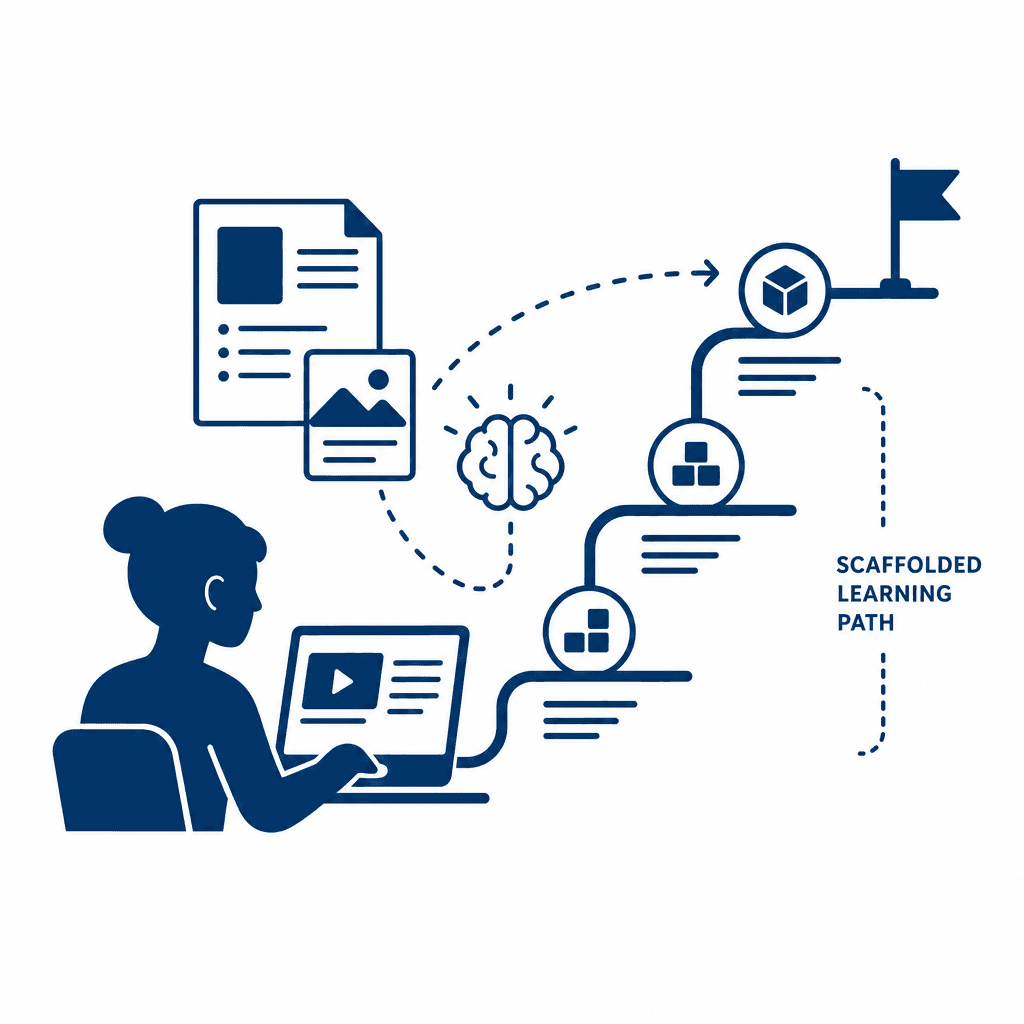
The onboarding sequencing problem presents challenges in educational settings, particularly when utilizing Canvas LMS. To improve learner experiences and outcomes, this article delves into cognitive load theory, effective content sequencing, and scaffolding approaches that can transform how users engage with complex topics. Discover frameworks designed to foster capability building and thoughtful learning workflows.
Understanding Cognitive Load Theory
Cognitive Load Theory is a cornerstone of effective instructional design, particularly in environments like Canvas LMS. It categorizes cognitive load into three types: intrinsic, extraneous, and germane. Intrinsic load pertains to the inherent difficulty of the material; extraneous load arises from the way information is presented; while germane load contributes to the development of cognitive schemas and understanding. When learners encounter high levels of cognitive load, particularly through poorly structured content, their ability to process and retain information diminishes significantly. This is especially critical in the Canvas setting, where excessive complexity can occur due to integrated tools and resources. Inadequate content organization can lead to cognitive overload, resulting in frustration and disengagement. When faced with overwhelming information, learners often resort to surface-level processing, failing to achieve genuine understanding or capability. To counteract these challenges, instructional designers must prioritize effective content organization, ensuring that sequences guide learners smoothly through the curricular landscape. By employing techniques such as chunking, scaffolding, and progressive disclosure, designers can diminish extraneous load while enhancing germane load, ultimately facilitating a more seamless learning experience that encourages retention and application of knowledge.
The Challenges of Information Overload
Learners today often face the daunting challenge of information overload, especially when tackling complex topics through platforms like Canvas LMS. Research indicates that as the amount of information presented increases, learner engagement tends to decrease. For instance, a study showed that when learners are inundated with more than 60% of relevant material at once, retention rates plummet by up to 30%. This statistic highlights the urgent need for educators and instructional designers to rethink content delivery.
When learners are overwhelmed by excessive information, they may experience cognitive fatigue, resulting in disengagement and diminished learning outcomes. For example, a course introducing advanced coding concepts that bombards students with an array of programming languages, frameworks, and paradigms without clear sequencing can lead to frustration and confusion.
Strategic content sequencing is vital for enhancing the learner experience in Canvas. Establishing a structured learning path enables educators to delineate crucial concepts, ensuring learners can process information in manageable segments. By doing so, we facilitate not just information consumption but genuine capability building, leading to a deeper understanding and application of skills over time.
Effective Content Chunking Techniques
Content chunking serves as a vital strategy for managing cognitive load, especially within the Canvas LMS environment where learners frequently encounter an abundance of information. By breaking down complex subjects into smaller, more digestible units, learners can enhance both comprehension and retention. One effective approach is the 5-7-9 rule, which suggests that learners can best process information when it is presented in chunks of 5 to 9 items. This ensures that they can focus their attention without feeling overwhelmed.
For instance, when structuring a lesson on a sophisticated topic, you might divide the content into distinct modules, each consisting of 5 key concepts complemented by supportive multimedia elements like videos or infographics. In Canvas, you can utilize modules to organize course materials effectively, with each module containing these chunks along with summaries and self-assessment quizzes to reinforce learning. Another practical technique involves using bullet points to highlight essential information, coupled with interactive elements like discussions or quizzes, to encourage engagement and aid retention. By thoughtfully implementing these chunking techniques in Canvas, educators can significantly improve the learning experience and build genuine capabilities in their learners.
Implementing Progressive Disclosure
Progressive disclosure is a vital instructional design strategy that helps combat cognitive overload by controlling the flow of information to learners. This technique involves introducing content progressively, encouraging students to engage with simpler concepts before moving on to complex material. In a Canvas course, leveraging progressive disclosure can enhance learner engagement by tailoring the learning experience to individual readiness levels. To effectively implement progressive disclosure in Canvas, educators can use various tools and strategies. For instance, modularizing content allows instructors to create distinct learning pathways that learners can navigate at their own pace. By employing tools like quizzes or interactive elements, learners can unlock additional content only after demonstrating a grasp of the preliminary materials. This not only promotes comprehension but also fosters a sense of achievement. Another effective strategy is hiding advanced resources or content until learners complete fundamental tasks or assessments. This can be achieved through Canvas's mastery paths or requirements settings, ensuring that learners progress through the material deliberately. By curating information along these lines, educators can turn complex subjects into manageable learning experiences that gradually build essential capabilities, aligning with the overall goal of capability building established in the previous sections.
The Role of Scaffolding in Learning
Scaffolding is an essential component of effective instructional design, acting as a supportive framework that helps learners build upon their prior knowledge and progressively master new concepts. By breaking down complex skills into manageable parts, scaffolding facilitates a smoother transition from fundamental ideas to advanced applications. This approach not only reduces cognitive load but also enhances retention by allowing learners to integrate new information meaningfully. Incorporating scaffolding within the Canvas LMS can be achieved through a variety of techniques. For example, using modular content organization allows learners to access sequential lessons that incrementally increase in difficulty. Interactive elements such as quizzes can serve as formative assessments, giving immediate feedback that reinforces learning and clarifies misconceptions. Furthermore, utilizing discussion forums and peer collaboration tools can create opportunities for shared knowledge-building, where learners can articulate their understanding and engage with diverse perspectives. By thoughtfully embedding scaffolding strategies within Canvas, educators can create a dynamic learning environment that encourages learners to take ownership of their educational journey, thus fostering genuine capability rather than superficial content consumption. This tailored approach ensures that as cognitive load is managed effectively, learners gain not only skills but also confidence in applying their knowledge.
Creating a Cohesive Learning Workflow
Creating a cohesive learning workflow within Canvas requires thoughtful integration of cognitive load management, content chunking, progressive disclosure, and scaffolding. This structured approach guides learners through complex material, ensuring each step builds towards genuine capability rather than superficial understanding. To achieve this, start by breaking course content into manageable chunks. Each learning unit should represent a logical segment that progresses in complexity. For example, instead of overwhelming learners with extensive reading materials, provide brief articles or videos followed by comprehension checks. This method capitalizes on the cognitive load theory, allowing learners to absorb information without feeling inundated. Implement progressive disclosure by revealing content in stages. Introduce fundamental concepts first, then gradually unveil more intricate details or applications. This keeps learners focused and engaged, minimizing anxiety that often accompanies overwhelming amounts of information. Incorporate scaffolding techniques that connect new knowledge to previous learning. Utilize quizzes or reflective prompts within Canvas to encourage learners to articulate how new information aligns with or extends earlier insights, reinforcing their understanding and retention. This continuous reinforcement of learning pathways cultivates confidence, fostering true capability in skill application rather than mere content consumption.
Conclusions
In conclusion, addressing the onboarding sequencing problem through effective instructional design can significantly enhance learner capabilities. By utilizing strategies such as content chunking, progressive disclosure, and scaffolding within Canvas, educators can mitigate cognitive overload and support sustained knowledge retention. This approach ensures that learners not only consume information but also develop the skills needed for practical application.