Optimizing Adaptive AI in Canvas Troubleshooting and Enhancing Personalized Learning Paths
Many educators implement adaptive learning strategies with AI in Canvas to personalize student experiences. However, these systems can sometimes 'stop adapting' or fail to meet expectations. This article will provide practical troubleshooting tips and optimization strategies for teachers and instructional designers to ensure their AI-powered adaptive learning pathways in Canvas remain effective, engaging, and truly personalized. It will cover common pitfalls, data analysis for improvement, and how to fine-tune AI settings.
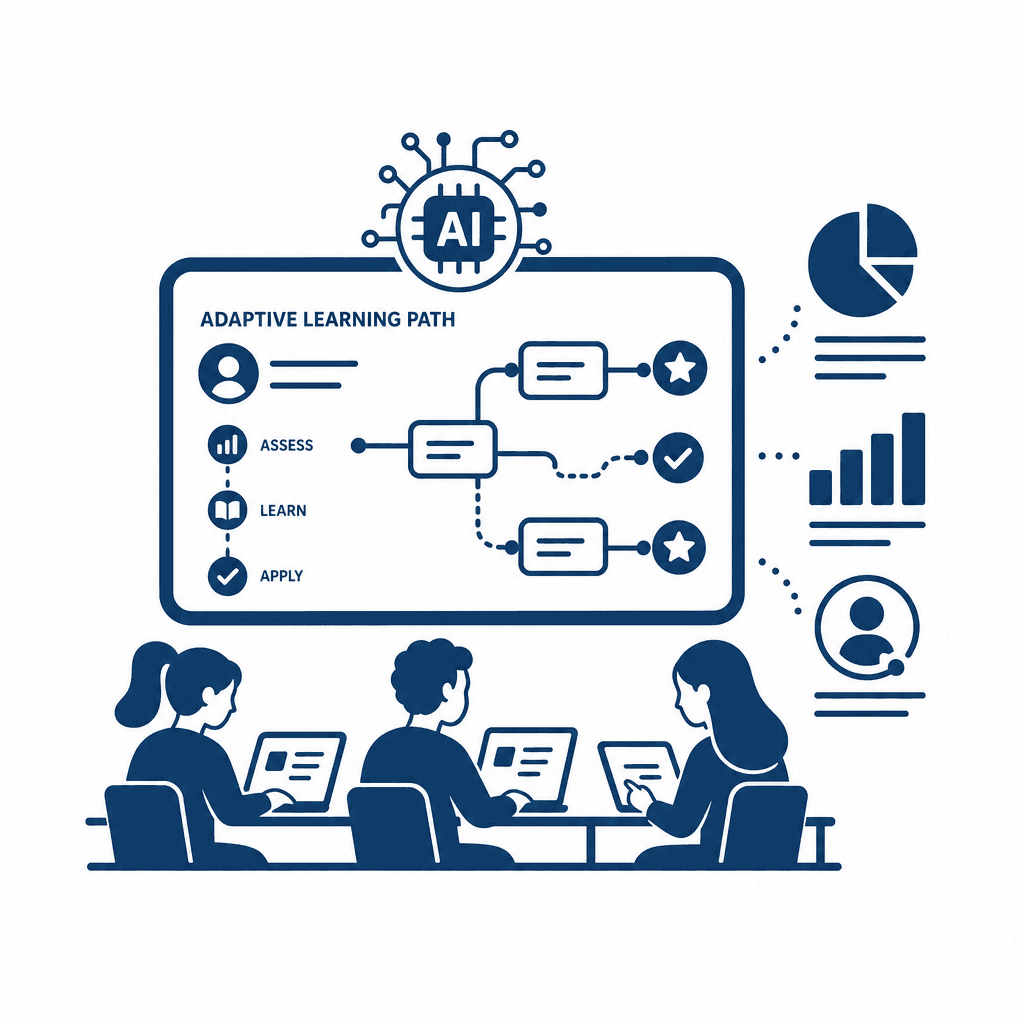
In the era of personalized education, adaptive learning powered by AI in Canvas has transformed the teaching landscape. However, when these systems falter, they can hinder progress. This article delves into the nuances of optimizing adaptive AI, offering insights for troubleshooting common issues and enhancing the personalized learning experience for both educators and students.
Understanding Adaptive Learning and AI in Education
Educators frequently encounter several prevalent issues when implementing adaptive learning systems within Canvas. One common scenario is when the AI algorithms fail to adapt to students' needs over time. This situation often arises due to poor curriculum design. When learning pathways are overly rigid or not aligned with the dynamic nature of students’ evolving skills, the AI may deliver content that no longer resonates, effectively rendering it stagnant. Another issue involves inadequate data input. If the data collected is insufficient or not representative of the students’ performance and engagement, the AI can misinterpret learning needs. For example, an AI system may continue to present basic content to an advanced student, thereby leading to disengagement and frustration. Similarly, unclear learning objectives can obstruct the adaptive system's effectiveness. When educators fail to articulate specific goals, the AI may misalign its content recommendations, resulting in a disconnect between the instructional intent and what students actually receive. These challenges significantly impact student learning, as they can exacerbate disengagement, hinder mastery, and ultimately cause students to feel unsupported in their individual learning journeys. Addressing these issues is crucial for ensuring that adaptive learning pathways remain responsive and effective in enhancing personalized education experiences.
Common Pitfalls in Adaptive Learning Systems
Adaptive learning systems in Canvas often encounter several common pitfalls that can disrupt their effectiveness. One prevalent issue is inadequate curriculum design; if learning materials are not aligned with specific learning objectives, the AI may deliver content that fails to engage or challenge students appropriately. For instance, if a course includes poorly structured assessments, the AI might not correctly gauge a student's proficiency, leading to repetitive content or misaligned learning paths. Another challenge arises from inadequate data input. If educators do not regularly update and refine the data being fed into the system, the AI's responses may become stale or irrelevant. For example, a student progressing well in a particular subject might suddenly receive content intended for lower proficiency levels due to outdated data inputs, which ultimately disengages them from the learning process. Furthermore, unclear objectives in course design can hinder the AI's ability to adapt effectively. When learning goals are vague, the system may default to a one-size-fits-all approach, stalling personalized learning. This, in turn, can lead to frustration among students who feel their unique needs and learning styles are overlooked, potentially resulting in decreased motivation and performance.
Data Analysis for Improvement in Canvas
Data analysis plays a crucial role in optimizing adaptive AI settings within Canvas. By systematically collecting and interpreting data from student interactions, educators can identify specific learning needs and adjust pathways accordingly. Effective data collection strategies involve utilizing Canvas’s built-in analytics tools that track student engagement, performance metrics, and interaction patterns. Educators should focus on key metrics such as time spent on activities, completion rates, and quiz scores to gain insights into individual and group learning behaviors. To facilitate proper data interpretation, visualization tools available within Canvas, such as Canvas Analytics and New Analytics, can be leveraged. These tools enable instructional designers to create visual reports that highlight trends over time, making it easier to identify areas where students struggle or thrive. For instance, an upward trend in quiz scores following targeted interventions can validate the effectiveness of personalized learning pathways. Additionally, regular analysis of discussion board participation can reveal social learning dynamics that inform adjustments to collaborative activities. Ultimately, informed decision-making based on comprehensive data analysis empowers educators to bridge gaps in student understanding and enhance the overall adaptability of learning experiences within Canvas.
Fine-tuning AI Settings in Canvas
Fine-tuning AI settings in Canvas is essential for creating dynamic learning experiences that resonate with each student’s unique needs. By making informed adjustments based on collected data, educators can significantly enhance the adaptability of their AI-powered systems. One effective strategy is to modify the underlying algorithms that power the adaptive learning pathways. Adjusting the algorithms can improve the accuracy of content recommendations. For instance, if data shows that students struggle with particular concepts, educators can incorporate weighted metrics that prioritize these areas in the adaptive suggestions. Setting appropriate thresholds for adaptability is another crucial adjustment. Educators can define specific parameters—such as performance indicators or completion rates—that trigger content adaptations. Regular reviews and adjustments of these thresholds ensure they align with evolving student performance data. Personalizing content recommendations also plays a pivotal role. Engaging with Canvas’s analytics tools, educators can analyze student interactions and preferences. With this information, they can curate learning materials that not only address knowledge gaps but also cater to individual learning styles. To aid in this process, utilizing the Canvas interface can streamline fine-tuning efforts. Screenshots of the settings pages can provide visual guidance on where adjustments can be made, ensuring that educators have the tools they need to foster an effective learning environment. By diligently applying these strategies, educators can maintain AI systems that genuinely adapt to each learner’s journey.
Engagement Strategies for Personalized Learning Paths
Effective engagement strategies are crucial to complement AI-powered adaptive learning in Canvas, creating an environment where diverse learners feel inspired and connected. One of the key approaches involves the development of interactive content that resonates with individual preferences. Utilizing tools like Canvas quizzes that adapt in real-time, interactive videos, and multimedia presentations can cater to various learning styles, ensuring that engagement remains high. Feedback mechanisms play an essential role in this process. Incorporating instant feedback through peer reviews or automated assessments not only facilitates deeper learning but also empowers students to take ownership of their progress. Regularly revisiting and refining assessment criteria based on learner insights can foster a growth mindset within the classroom. Gamification is another potent strategy that enhances motivation and maintains interest. By integrating game elements such as badges, leaderboards, and progress tracking into the Canvas environment, educators can create a competitive yet supportive atmosphere. This approach encourages learners to actively participate and strive for their best, making the learning experience both enjoyable and impactful. Ultimately, leveraging these engagement methods within Canvas will ensure that adaptive learning pathways are not only effective but also resonate with and inspire every student.
Continuing the Journey Towards Effective Personalized Learning
As we delve deeper into the journey towards effective personalized learning, it's crucial to recognize that the maintenance of adaptive AI systems in Canvas requires a long-term commitment from educators and institutions alike. Professional development for educators forms the cornerstone of this commitment. Regular training sessions can empower teachers to navigate the intricacies of AI tools, ensuring they remain adept at leveraging data to refine learning pathways. Engaging educators in ongoing workshops not only enhances their technical competencies but also fosters a shared understanding of the adaptive learning environment. Moreover, community feedback is invaluable. Establishing channels for students, parents, and colleagues to provide insights helps in identifying gaps and areas for improvement. This feedback loop enables educators to make informed adjustments to the adaptive systems, ensuring they align with the evolving needs of learners. Lastly, the iterative refinement of learning pathways is essential. Developing a culture of continuous improvement encourages educators to assess the effectiveness of their adaptive strategies regularly. This process not only optimizes student experiences but also reinforces the idea that AI is not a replacement for teaching but a powerful supplement that enhances personalized education. Embracing this ethos can transform challenges into opportunities for innovation in learner engagement.
Conclusions
In summary, optimizing adaptive AI in Canvas requires continuous monitoring and strategic adjustments to foster personalized learning experiences. By recognizing common pitfalls and utilizing data-driven insights, educators can ensure that their adaptive pathways remain engaging and effective. Embracing these strategies not only enhances learning outcomes but also supports a dynamic educational environment.
Understanding Adaptive Learning and AI in Education
Educators frequently encounter several prevalent issues when implementing adaptive learning systems within Canvas. One common scenario is when the AI algorithms fail to adapt to students' needs over time. This situation often arises due to poor curriculum design. When learning pathways are overly rigid or not aligned with the dynamic nature of students’ evolving skills, the AI may deliver content that no longer resonates, effectively rendering it stagnant. Another issue involves inadequate data input. If the data collected is insufficient or not representative of the students’ performance and engagement, the AI can misinterpret learning needs. For example, an AI system may continue to present basic content to an advanced student, thereby leading to disengagement and frustration. Similarly, unclear learning objectives can obstruct the adaptive system's effectiveness. When educators fail to articulate specific goals, the AI may misalign its content recommendations, resulting in a disconnect between the instructional intent and what students actually receive. These challenges significantly impact student learning, as they can exacerbate disengagement, hinder mastery, and ultimately cause students to feel unsupported in their individual learning journeys. Addressing these issues is crucial for ensuring that adaptive learning pathways remain responsive and effective in enhancing personalized education experiences.
Common Pitfalls in Adaptive Learning Systems
Adaptive learning systems in Canvas often encounter several common pitfalls that can disrupt their effectiveness. One prevalent issue is inadequate curriculum design; if learning materials are not aligned with specific learning objectives, the AI may deliver content that fails to engage or challenge students appropriately. For instance, if a course includes poorly structured assessments, the AI might not correctly gauge a student's proficiency, leading to repetitive content or misaligned learning paths. Another challenge arises from inadequate data input. If educators do not regularly update and refine the data being fed into the system, the AI's responses may become stale or irrelevant. For example, a student progressing well in a particular subject might suddenly receive content intended for lower proficiency levels due to outdated data inputs, which ultimately disengages them from the learning process. Furthermore, unclear objectives in course design can hinder the AI's ability to adapt effectively. When learning goals are vague, the system may default to a one-size-fits-all approach, stalling personalized learning. This, in turn, can lead to frustration among students who feel their unique needs and learning styles are overlooked, potentially resulting in decreased motivation and performance.
Data Analysis for Improvement in Canvas
Data analysis plays a crucial role in optimizing adaptive AI settings within Canvas. By systematically collecting and interpreting data from student interactions, educators can identify specific learning needs and adjust pathways accordingly. Effective data collection strategies involve utilizing Canvas’s built-in analytics tools that track student engagement, performance metrics, and interaction patterns. Educators should focus on key metrics such as time spent on activities, completion rates, and quiz scores to gain insights into individual and group learning behaviors. To facilitate proper data interpretation, visualization tools available within Canvas, such as Canvas Analytics and New Analytics, can be leveraged. These tools enable instructional designers to create visual reports that highlight trends over time, making it easier to identify areas where students struggle or thrive. For instance, an upward trend in quiz scores following targeted interventions can validate the effectiveness of personalized learning pathways. Additionally, regular analysis of discussion board participation can reveal social learning dynamics that inform adjustments to collaborative activities. Ultimately, informed decision-making based on comprehensive data analysis empowers educators to bridge gaps in student understanding and enhance the overall adaptability of learning experiences within Canvas.
Fine-tuning AI Settings in Canvas
Fine-tuning AI settings in Canvas is essential for creating dynamic learning experiences that resonate with each student’s unique needs. By making informed adjustments based on collected data, educators can significantly enhance the adaptability of their AI-powered systems. One effective strategy is to modify the underlying algorithms that power the adaptive learning pathways. Adjusting the algorithms can improve the accuracy of content recommendations. For instance, if data shows that students struggle with particular concepts, educators can incorporate weighted metrics that prioritize these areas in the adaptive suggestions. Setting appropriate thresholds for adaptability is another crucial adjustment. Educators can define specific parameters—such as performance indicators or completion rates—that trigger content adaptations. Regular reviews and adjustments of these thresholds ensure they align with evolving student performance data. Personalizing content recommendations also plays a pivotal role. Engaging with Canvas’s analytics tools, educators can analyze student interactions and preferences. With this information, they can curate learning materials that not only address knowledge gaps but also cater to individual learning styles. To aid in this process, utilizing the Canvas interface can streamline fine-tuning efforts. Screenshots of the settings pages can provide visual guidance on where adjustments can be made, ensuring that educators have the tools they need to foster an effective learning environment. By diligently applying these strategies, educators can maintain AI systems that genuinely adapt to each learner’s journey.
Engagement Strategies for Personalized Learning Paths
Effective engagement strategies are crucial to complement AI-powered adaptive learning in Canvas, creating an environment where diverse learners feel inspired and connected. One of the key approaches involves the development of interactive content that resonates with individual preferences. Utilizing tools like Canvas quizzes that adapt in real-time, interactive videos, and multimedia presentations can cater to various learning styles, ensuring that engagement remains high. Feedback mechanisms play an essential role in this process. Incorporating instant feedback through peer reviews or automated assessments not only facilitates deeper learning but also empowers students to take ownership of their progress. Regularly revisiting and refining assessment criteria based on learner insights can foster a growth mindset within the classroom. Gamification is another potent strategy that enhances motivation and maintains interest. By integrating game elements such as badges, leaderboards, and progress tracking into the Canvas environment, educators can create a competitive yet supportive atmosphere. This approach encourages learners to actively participate and strive for their best, making the learning experience both enjoyable and impactful. Ultimately, leveraging these engagement methods within Canvas will ensure that adaptive learning pathways are not only effective but also resonate with and inspire every student.
Continuing the Journey Towards Effective Personalized Learning
As we delve deeper into the journey towards effective personalized learning, it's crucial to recognize that the maintenance of adaptive AI systems in Canvas requires a long-term commitment from educators and institutions alike. Professional development for educators forms the cornerstone of this commitment. Regular training sessions can empower teachers to navigate the intricacies of AI tools, ensuring they remain adept at leveraging data to refine learning pathways. Engaging educators in ongoing workshops not only enhances their technical competencies but also fosters a shared understanding of the adaptive learning environment. Moreover, community feedback is invaluable. Establishing channels for students, parents, and colleagues to provide insights helps in identifying gaps and areas for improvement. This feedback loop enables educators to make informed adjustments to the adaptive systems, ensuring they align with the evolving needs of learners. Lastly, the iterative refinement of learning pathways is essential. Developing a culture of continuous improvement encourages educators to assess the effectiveness of their adaptive strategies regularly. This process not only optimizes student experiences but also reinforces the idea that AI is not a replacement for teaching but a powerful supplement that enhances personalized education. Embracing this ethos can transform challenges into opportunities for innovation in learner engagement.
Conclusions
In summary, optimizing adaptive AI in Canvas requires continuous monitoring and strategic adjustments to foster personalized learning experiences. By recognizing common pitfalls and utilizing data-driven insights, educators can ensure that their adaptive pathways remain engaging and effective. Embracing these strategies not only enhances learning outcomes but also supports a dynamic educational environment.