
Practical AI Tools for Canvas Enhancing Teaching Workflows and Student Engagement
Discover actionable strategies and specific AI tools that teachers and instructional designers can integrate with Canvas LMS to streamline common teaching tasks, personalize learning experiences, and boost student engagement. This guide will cover AI for content creation, assessment feedback, differentiation, and more, offering practical tips for implementation.
Understanding AI in Education
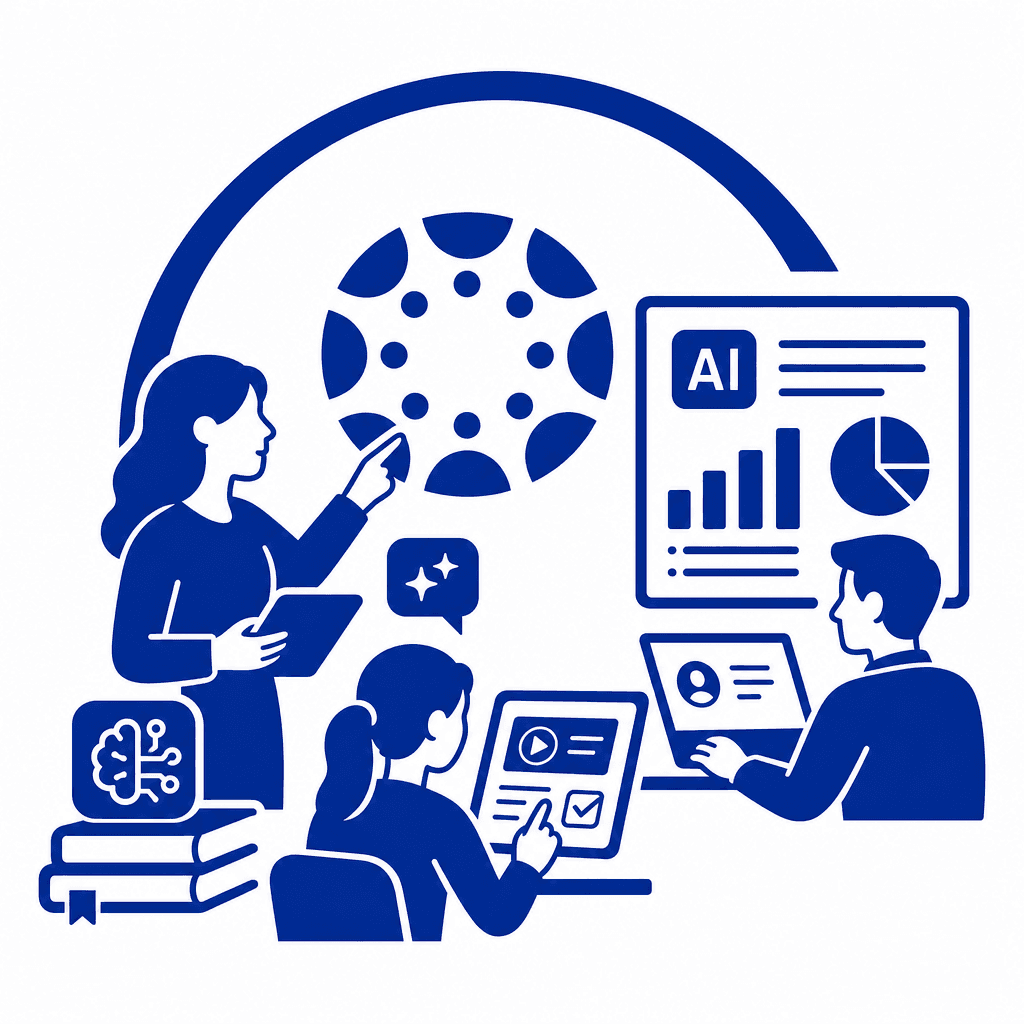
Canvas LMS serves as an essential platform for educators looking to optimize their teaching workflows and enhance student engagement through innovative technology. As a robust learning management system, Canvas offers a suite of functionalities designed to facilitate efficient course management. Instructors can easily create and organize course content, manage assessments, and track student progress—all from a user-friendly interface. The grading system in Canvas allows for streamlined assessments, enabling educators to provide timely feedback to students, which is vital for fostering improvement and retention. By integrating AI tools, these grading processes can be further enhanced. For instance, AI can assist in generating instant feedback on assessments, making it possible for teachers to focus on more complex instructional tasks while students receive immediate insights into their performance. Communication tools within Canvas also play a significant role in student engagement. With built-in messaging and notification systems, instructors can maintain open lines of communication, ensuring that learners stay connected and informed. By marrying these features with AI capabilities, educators can deliver personalized messages and materials based on individual learning styles and needs. This combination not only streamlines teaching processes but actively promotes a more interactive and tailored educational experience in the digital classroom.
Canvas LMS: Your Digital Classroom
Canvas LMS serves as a robust digital classroom, designed to meet the diverse needs of educators and learners alike. Its course management features allow for intuitive organization of materials, scheduling of assignments, and streamlined syllabus delivery, ensuring that both teachers and students have easy access to necessary resources. The integrated grading systems support various assessment types, providing transparency and efficiency in evaluating student performance. Communication tools foster collaboration through announcements, discussion boards, and messaging, creating a vibrant community for interaction and support.
Enhancing these core features with AI tools can significantly elevate the teaching experience. For instance, AI-driven analytics can provide insights into student engagement and performance trends, enabling targeted interventions when necessary. Integrating AI-powered chatbots within Canvas can offer real-time assistance to students, answering queries related to course content or administrative processes without requiring faculty involvement. Additionally, AI can help automate routine tasks such as grading quizzes and providing personalized feedback, allowing educators to focus on more complex pedagogical strategies. This synergy between Canvas and AI tools not only streamlines teaching workflows but also fosters a more engaging learning environment, ultimately enriching the educational experience for all involved.
AI Tools for Content Creation
AI tools for content creation can significantly enhance the educational experience within the Canvas LMS, providing educators with innovative ways to produce engaging course materials. Automated content generation tools, like ChatGPT, can assist teachers in drafting lesson plans, quizzes, and supplementary materials quickly, ensuring that the content is relevant and aligned with learning objectives. These tools can generate insights from various sources, streamlining the resource creation process.
Video creation software, such as Animoto or Canva, allows educators to easily produce engaging visual content. By integrating short, informative videos into their lessons on Canvas, teachers can cater to diverse learning preferences, thereby promoting student engagement. Interactive lesson design platforms like Nearpod or Pear Deck can also be linked with Canvas, enabling the development of dynamic, interactive presentations that encourage participation and real-time feedback from students.
To implement these tools effectively, educators should start by identifying specific topics where engaging content is needed, then select the appropriate AI tools to assist in production. Providing training sessions for students on how to interact with these tools can further enhance their learning experience, making the process collaborative and innovative.
Enhancing Assessment Feedback with AI
As educators increasingly seek efficient methods to enhance feedback mechanisms, the integration of AI tools within the Canvas LMS presents a transformative solution. AI-powered assessment tools serve as invaluable resources in analyzing student submissions, delivering real-time feedback, and identifying specific areas for improvement. For instance, tools like Gradescope utilize machine learning algorithms to assess assignments quickly, allowing for instantaneous scoring and qualitative insights. This speed not only alleviates the grading burden but also ensures students receive constructive feedback promptly, facilitating a timely learning cycle. Incorporating these AI tools into Canvas enables seamless workflows that save teachers valuable time, permitting them to concentrate on fostering deeper, personalized interactions with students. Educators can focus on coaching and mentorship instead of being mired in the minutiae of assessment corrections. Moreover, the detailed analytics provided by these tools can identify patterns in student performance across various assignments, offering insights that can help tailor subsequent instructional strategies. By harnessing the power of AI in assessment, teachers are empowered to cultivate a more engaging and adaptive learning environment, ultimately enhancing student outcomes. This shift not only promotes academic growth but also nurtures a culture of continuous improvement within the classroom.
Differentiating Student Learning Experiences
AI has emerged as a powerful tool for facilitating differentiated instruction within the Canvas LMS, enabling educators to address the diverse needs of students more effectively. By leveraging AI-driven tools, teachers can create adaptive learning pathways that respond to individual student needs, learning styles, and performance analytics. For example, platforms such as DreamBox Learning and Smart Sparrow offer personalized learning experiences that adapt in real-time based on student interactions. These tools can identify a student’s strengths and weaknesses, automatically adjusting content delivery to ensure that each learner progresses at their own pace. Additionally, AI analytics can inform educators about group dynamics and learning gaps, helping to inform instructional strategies. Using tools like Canvas Analytics, teachers can gain insight into student engagement and performance patterns, allowing them to tailor interventions proactively. Moreover, integration of AI tools such as Edpuzzle, which allows for interactive video lessons, can cater to varied learning preferences, further enriching the instructional experience. By utilizing AI in this way, educators can foster a more inclusive environment, ensuring that all students receive the support necessary to thrive in their educational journey.
Boosting Student Engagement through Personalization
To effectively boost student engagement through personalization, educators must leverage AI technologies that create tailored learning experiences within the Canvas LMS. One powerful approach is the implementation of personalized learning paths, which adapt to individual students’ interests, strengths, and challenges. By utilizing AI algorithms, teachers can design dynamic courses that guide students through content at their own pace, ensuring that no one is left behind. Intelligent tutoring systems are another valuable resource, offering students immediate, context-specific support. These systems analyze student interactions and provide targeted assistance, enabling learners to grasp difficult concepts without waiting for instructor intervention. Moreover, recommendation engines can suggest resources, activities, or peer study groups aligned with each student’s unique learning journey, fostering a collaborative environment. Continuous feedback is essential in maintaining student engagement. AI-driven analytics tools can track student progress in real-time, allowing educators to provide timely, constructive feedback that motivates learners. This approach empowers students, making their education more relevant and effective, as they can see their growth and areas for improvement clearly. By integrating such adaptive learning technologies within Canvas, teachers can significantly enhance student engagement, making learning not just a task but an exciting and personalized journey.
Conclusions
In conclusion, integrating AI tools with Canvas LMS can significantly enhance teaching workflows and improve student engagement. By leveraging advanced technologies for content creation, assessment feedback, and personalized learning, educators can foster a more dynamic and responsive educational environment. Embracing these innovations ensures that teaching remains relevant and effective in today's digital age.