
Preparing Learners for the Deepfake Era: Cultivating Verification Habits in Canvas Courses
As AI-generated content, including deepfakes, becomes more sophisticated, educators must equip students with critical verification skills. This article provides practical strategies for integrating media literacy and verification habit-building activities directly into Canvas courses. Learn how to design assignments, discussions, and resources that help students critically evaluate digital information, identify manipulated content, and develop a healthy skepticism essential for the modern information landscape.
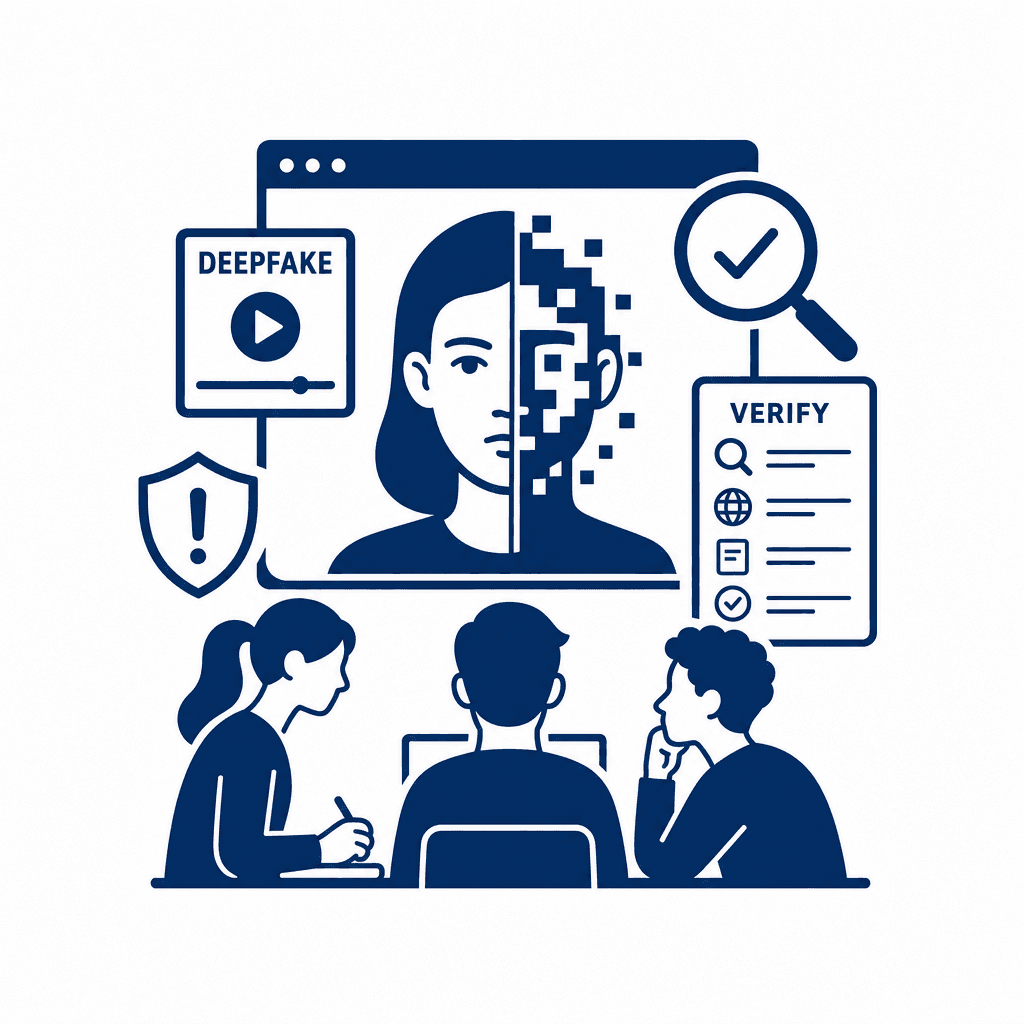
In an age where technology blurs the lines between reality and fabrication, particularly with the rise of deepfakes and sophisticated AI-generated content, the need for media literacy and critical verification skills among learners is paramount. This article explores how educators can effectively integrate these essential skills into Canvas courses, preparing students to navigate and discern the complexities of digital information.
Understanding Deepfakes and Their Implications
In today's rapidly evolving digital landscape, media literacy has become an essential skill for learners. With the prevalence of manipulated content like deepfakes, students must be equipped to discern fact from fiction. Media literacy encompasses the ability to access, analyze, evaluate, and create media in various forms, enabling individuals to effectively navigate a world rife with misinformation. Educators should prioritize media literacy within their curricula to foster critical thinking and digital verification skills. Frameworks such as the Five Core Competencies of media literacy — including the ability to critically evaluate content, recognize the purpose behind media messages, and understand the power of media in shaping opinions — serve as valuable guides. Implementing these frameworks in classroom discussions and assignments can empower students to question the authenticity of digital content. Furthermore, engaging students in hands-on activities, such as analyzing case studies of deepfakes or assessing the credibility of various online sources, can strengthen their media literacy skills. By reinforcing these competencies, educators can cultivate informed citizens equipped to confront the challenges presented by AI-generated misinformation. Prioritizing media literacy ensures that students are not just consumers of information but also critical evaluators of the content they encounter.
The Necessity of Media Literacy in Education
As misinformation proliferates in the digital age, media literacy emerges as an essential competency for students. Media literacy can be defined as the ability to access, analyze, evaluate, and create media in various forms. It is particularly vital in equipping learners with the tools necessary to identify and navigate content that may be manipulated, such as deepfakes. The relevance of media literacy extends beyond merely recognizing false content; it also encompasses understanding the motivations behind media production and consumption. To effectively instill media literacy in students, educators can employ various frameworks and models, such as the Five Core Concepts of Media Literacy, which includes understanding messages, identifying audience influence, and recognizing media's role in society. These frameworks guide learners in critically questioning the information they encounter, fostering skills essential for discerning fact from fiction. Prioritizing media literacy in curricula is crucial, especially amidst the rising sophistication of AI-generated content. Such curricula can cultivate a generation of informed citizens capable of tackling the complexities of today’s information landscape, ultimately enabling them to approach digital content with a healthy skepticism.
Integrating Media Literacy into Canvas Courses
Integrating media literacy into Canvas courses involves purposeful design of assignments and activities that actively engage students in critical evaluation of digital information. Educators can develop a series of inquiry-based assignments where learners analyze various forms of media, including images, videos, and social media posts, particularly focusing on identifying deepfakes and manipulated content. For instance, a module could require students to collect examples of viral videos and use a checklist—such as sourcing, context, and visual evidence—to assess credibility. Discussions can be structured around real-world scenarios, prompting students to debate the ethical implications of deepfakes and their impact on public perception. Assignments could include group projects where students create a website or digital presentation exploring recent deepfake technologies, their applications, and the challenges they pose to society. To facilitate this process, educators should provide resources like instructional videos on fact-checking tools and institutional databases to help students hone their verification skills. Aligning these activities with specific course objectives ensures that students not only learn about media literacy but also understand its implications, fostering lifelong critical thinking habits in navigating the digital landscape.
Building Critical Verification Skills
Building critical verification skills is essential for students navigating an increasingly complex digital landscape filled with AI-generated content and deepfakes. Educators can facilitate this by introducing students to various techniques and tools. For instance, employing reverse image searches, using verification services like Snopes or FactCheck.org, and understanding metadata can aid in assessing the authenticity of content. Teaching students to scrutinize sources—such as confirming authorship, publication dates, and the credibility of the platforms—can further bolster their ability to distinguish genuine content from manipulated pieces. In Canvas courses, educators might create assignments where students analyze specific digital artifacts. A practical exercise could involve students selecting a viral video or image, evaluating its source, and conducting a fact-check. Discussions can be structured around common indicators of misleading media, enabling students to apply these skills to real-world scenarios. By challenging students to engage critically with content, they will develop strong verification habits, enhancing their analytical skills and nurturing an essential skepticism necessary for responsible consumption of digital information in today's world.
Creating a Culture of Healthy Skepticism
Fostering a culture of healthy skepticism within educational environments is essential in equipping students to navigate an information landscape rife with digital manipulation. As deepfakes and AI-generated content become prevalent, encouraging students to engage critically with what they encounter online is paramount. Instructors can facilitate open discussions that demystify misinformation, fostering an environment where questioning is not only welcomed but encouraged. To cultivate this culture, educators can incorporate structured activities, such as *debates or Socratic seminars*, that challenge students to defend or critique the validity of various digital materials. These discussions can delve into the ethics surrounding the use of AI-generated content, prompting learners to consider not only the factual accuracy but also the intent and potential consequences of sharing such information. Moreover, by creating assignments that require students to analyze real-world examples of manipulated content, faculty can provide tangible applications for understanding verification principles. This practice not only nurtures critical thinking but also empowers students to become discerning consumers of information. Ultimately, instilling a sense of skepticism allows for a more inquisitive atmosphere, preparing students to engage thoughtfully with the complexities of the modern media landscape.
Assessing Student Progress in Verification Habits
Assessing students' progress in verification habits is crucial to the cultivation of essential media literacy and critical thinking skills. Various assessment techniques can be deployed to gauge students' understanding and application of these competencies in practical contexts. **Rubrics** serve as invaluable tools in this process, particularly when assessing assignments that require students to evaluate digital information. By clearly defining criteria related to verification practices, such as the ability to identify misleading sources or the use of reliable fact-checking tools, instructors can provide focused feedback on students' performance. **Peer evaluations** can enhance the learning experience as well, allowing students to critique each other’s work. This not only fosters collaborative learning but also encourages students to articulate their reasoning, reinforcing their understanding of media literacy concepts. **Self-assessments** further empower students, enabling them to reflect on their verification skills and recognize areas for improvement. Incorporating targeted feedback is essential in this feedback loop, as it guides learners to refine their critical thinking and verification practices. Regular assessments centered around these strategies will contribute to ongoing improvement, ensuring that students remain engaged and vigilant in the face of evolving digital challenges.
Conclusions
In conclusion, as the landscape of digital information continues to evolve with advanced technologies like deepfakes, it is vital for educators to instill verification habits in their students. By employing targeted strategies within Canvas courses, we can equip learners with the critical thinking skills necessary to engage with media responsibly and with skepticism in today's complex information environment.