
Preventing AI Misuse in Canvas Assessments
Explore practical strategies and Canvas LMS features educators can leverage to deter, detect, and address AI-generated content in student assessments. This article will provide actionable advice for designing assignments, using Canvas tools, and fostering a culture of academic integrity in the age of AI.
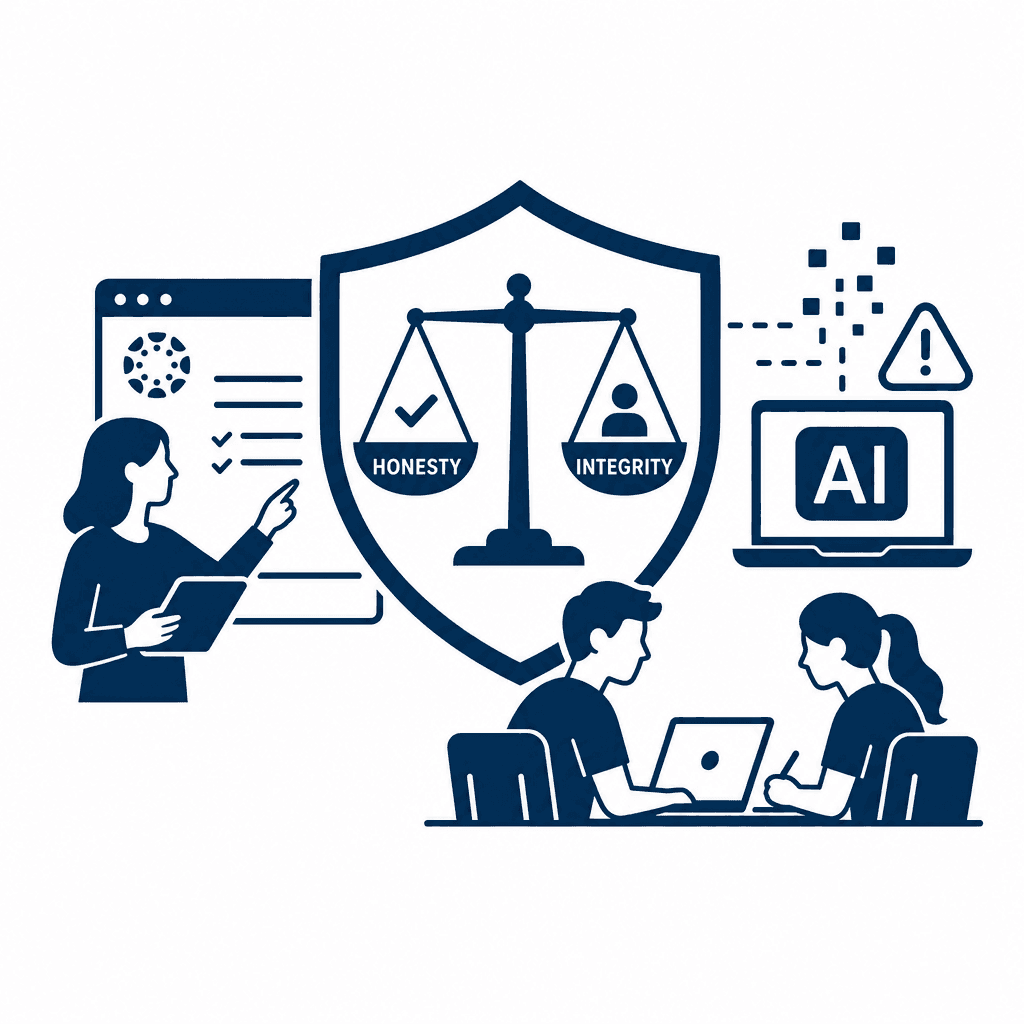
As artificial intelligence becomes increasingly accessible, educators face new challenges in maintaining academic integrity. This article explores effective strategies for preventing AI misuse in assessments using Canvas LMS, focusing on assignment design, detection methods, and creating a culture that values honesty and originality among students.
Understanding the Impact of AI on Academic Integrity
The integration of AI tools in education poses significant challenges to academic integrity, particularly concerning the integrity of student assessments within the Canvas LMS framework. As AI technology advances, its use in academic cheating has surged, prompting educators to adapt their evaluation methods. Studies indicate that approximately 30% of students admit to utilizing AI for dishonest purposes, highlighting the urgency of addressing this issue. The ease of access to sophisticated AI platforms has made it easier for students to generate, modify, and submit work that is not their own. This trend disrupts traditional academic values and erodes trust in the educational system. As institutions grapple with these challenges, it's vital to recognize that while AI can enhance learning opportunities, it also necessitates a reevaluation of assessment strategies. Educators are called to reassess their approaches to evaluating student performance, focusing on promoting authenticity and personal engagement in assignments. By cultivating a culture that values originality and critical thinking, institutions can better navigate the complexities introduced by AI, ensuring that academic integrity remains at the forefront of the educational experience.
Redesigning Assessments to Deter AI Use
Redesigning assessments in a way that diminishes the opportunity for AI misuse requires embracing engaging and authentic task formats. By crafting assessments that prioritize critical thinking and real-world applications, educators can promote original thought and creativity among students. To start, consider using **open-ended questions** that compel students to formulate their own arguments or solutions based on personal experiences or unique perspectives. For instance, instead of asking a student to explain a concept from the textbook, prompt them to assess that concept's application in a current real-world issue. Such assignments encourage reflection and a deeper understanding of the subject matter. Another effective strategy is to implement **project-based assessments**. For example, students could be tasked with developing a project that addresses a community challenge, requiring them to research, collaborate, and apply theoretical knowledge in a practical context. This not only aids in critical thinking skills but also ties learning to tangible results, making it less likely that students will rely on AI tools. Additionally, incorporating **reflective journals** or **multimedia presentations** can further mitigate AI-generated responses. These formats demand personal insight and creativity, elements that AI cannot replicate, thus fostering a genuine learning experience. By redesigning assessments with these strategies, educators can not only deter AI misuse but also enhance overall academic integrity.
Leveraging Canvas LMS Features for Integrity
In the age of AI, educators must be proactive in leveraging the features of Canvas LMS to uphold academic integrity and ensure authentic student engagement. One effective approach is utilizing the *quizzes* tool, which allows for the creation of randomized questions from a question bank. This feature minimizes the chances of students sharing answers and encourages individual thought, as each student receives a unique set of questions. Another powerful functionality is the integration of *Turnitin*, which can help detect plagiarism and AI-generated content. By enabling Turnitin on assignments, educators can gain insights into the originality of student submissions and foster a culture of honesty. The match reports provide a detailed view of potential sources, empowering instructors to address any academic integrity violations effectively. In discussion forums, setting clear guidelines and expectations around the use of AI can deter misuse while promoting thoughtful, individual contributions. Incorporating features such as post-reviews, where students can only see their peers' submissions after posting their responses, encourages original expressions of ideas. Through these strategies, educators can cultivate an environment that prioritizes integrity and authenticity in student assessments while effectively addressing the challenges posed by AI capabilities.
Implementing Effective AI Detection Strategies
Educators are increasingly confronted with the challenge of detecting AI-generated content in student submissions. Effective AI detection strategies are essential for maintaining academic integrity in Canvas assessments. One approach involves utilizing specialized software solutions designed to identify inconsistencies in writing style, such as sudden shifts in vocabulary, sentence structure, and overall coherence. Tools like Turnitin not only assess for plagiarism but also provide insights into writing anomalies that may suggest AI involvement. Moreover, instructors can promote critical thinking and authenticity through structured peer review processes. By requiring students to evaluate each other’s work, they gain insights into varying writing styles and content depth. This activity encourages them to reflect on their own submissions, making it less likely for them to submit AI-generated content without individual engagement. Incorporating self-assessment activities can also enhance the authenticity of student work. Having students articulate their thought processes and reasons for specific choices in their assignments can expose areas where they may have relied too heavily on AI. Ultimately, these strategies cultivate an environment that values originality, pushing students to take ownership of their learning and produce genuine work.
Fostering a Culture of Academic Integrity
Fostering a culture of academic integrity is crucial in the digital age, particularly as AI tools become prevalent in educational settings. Institutions must prioritize open discussions about the ethical use of AI, ensuring that faculty and students alike recognize the potential ramifications of AI misuse. Faculty play a pivotal role in modeling integrity by incorporating discussions on ethical practice into their curricula. This encourages students to critically engage with technology and consider its implications for their work. Best practices for communication can include workshops, seminars, and informal discussions that emphasize the value of original work. Faculty should highlight real-world applications of integrity, illustrating how originality fosters creativity and innovation, both academically and professionally. Creating a student-led integrity committee can empower learners to take ownership of their academic culture, promoting peer accountability. Moreover, initiatives like honor codes or integrity pledges can reinforce expectations regarding academic honesty. By encouraging students to reflect on the significance of original contributions, educators foster a deeper understanding of integrity. Ultimately, a collaborative approach, where faculty and students work together to uphold academic values, cultivates an environment where integrity is not only encouraged but celebrated.
Best Practices for Sustaining Integrity in the Age of AI
As educators navigate the complexities presented by AI technologies, adopting best practices to sustain academic integrity is paramount. One essential strategy involves designing assessments that emphasize critical thinking and creativity rather than rote responses. This can be achieved by incorporating open-ended questions, real-world applications, and collaborative projects that require students to demonstrate understanding in context. Utilizing robust Canvas LMS features such as randomized question pools, timed assessments, and plagiarism detection tools like Turnitin can reinforce integrity in student submissions. Encouraging peer review within Canvas fosters a community where students can provide constructive feedback to each other, helping them recognize the importance of original work. Faculty development is crucial; ongoing professional training equips educators with the skills needed to craft innovative assessments and integrate AI detection tools effectively. Engaging students through workshops about AI ethics and the implications of academic dishonesty is equally vital. By clearly communicating expectations and consequences, institutions cultivate a sense of responsibility among students. Ultimately, collaboration among educational institutions is necessary to tackle these challenges holistically. By sharing best practices, resources, and effective policies, the academic community can collectively bolster integrity, ensuring that the integrity of student assessments remains intact as AI technologies evolve.
Conclusions
In conclusion, maintaining academic integrity in the face of advancing AI technology requires proactive strategies in assignment design and the effective use of LMS tools. By fostering a commitment to integrity and employing detection methods, educators can successfully counteract AI misuse, ensuring that assessments genuinely reflect student learning.
Understanding the Impact of AI on Academic Integrity
The integration of AI tools in education poses significant challenges to academic integrity, particularly concerning the integrity of student assessments within the Canvas LMS framework. As AI technology advances, its use in academic cheating has surged, prompting educators to adapt their evaluation methods. Studies indicate that approximately 30% of students admit to utilizing AI for dishonest purposes, highlighting the urgency of addressing this issue. The ease of access to sophisticated AI platforms has made it easier for students to generate, modify, and submit work that is not their own. This trend disrupts traditional academic values and erodes trust in the educational system. As institutions grapple with these challenges, it's vital to recognize that while AI can enhance learning opportunities, it also necessitates a reevaluation of assessment strategies. Educators are called to reassess their approaches to evaluating student performance, focusing on promoting authenticity and personal engagement in assignments. By cultivating a culture that values originality and critical thinking, institutions can better navigate the complexities introduced by AI, ensuring that academic integrity remains at the forefront of the educational experience.
Redesigning Assessments to Deter AI Use
Redesigning assessments in a way that diminishes the opportunity for AI misuse requires embracing engaging and authentic task formats. By crafting assessments that prioritize critical thinking and real-world applications, educators can promote original thought and creativity among students. To start, consider using **open-ended questions** that compel students to formulate their own arguments or solutions based on personal experiences or unique perspectives. For instance, instead of asking a student to explain a concept from the textbook, prompt them to assess that concept's application in a current real-world issue. Such assignments encourage reflection and a deeper understanding of the subject matter. Another effective strategy is to implement **project-based assessments**. For example, students could be tasked with developing a project that addresses a community challenge, requiring them to research, collaborate, and apply theoretical knowledge in a practical context. This not only aids in critical thinking skills but also ties learning to tangible results, making it less likely that students will rely on AI tools. Additionally, incorporating **reflective journals** or **multimedia presentations** can further mitigate AI-generated responses. These formats demand personal insight and creativity, elements that AI cannot replicate, thus fostering a genuine learning experience. By redesigning assessments with these strategies, educators can not only deter AI misuse but also enhance overall academic integrity.
Leveraging Canvas LMS Features for Integrity
In the age of AI, educators must be proactive in leveraging the features of Canvas LMS to uphold academic integrity and ensure authentic student engagement. One effective approach is utilizing the *quizzes* tool, which allows for the creation of randomized questions from a question bank. This feature minimizes the chances of students sharing answers and encourages individual thought, as each student receives a unique set of questions. Another powerful functionality is the integration of *Turnitin*, which can help detect plagiarism and AI-generated content. By enabling Turnitin on assignments, educators can gain insights into the originality of student submissions and foster a culture of honesty. The match reports provide a detailed view of potential sources, empowering instructors to address any academic integrity violations effectively. In discussion forums, setting clear guidelines and expectations around the use of AI can deter misuse while promoting thoughtful, individual contributions. Incorporating features such as post-reviews, where students can only see their peers' submissions after posting their responses, encourages original expressions of ideas. Through these strategies, educators can cultivate an environment that prioritizes integrity and authenticity in student assessments while effectively addressing the challenges posed by AI capabilities.
Implementing Effective AI Detection Strategies
Educators are increasingly confronted with the challenge of detecting AI-generated content in student submissions. Effective AI detection strategies are essential for maintaining academic integrity in Canvas assessments. One approach involves utilizing specialized software solutions designed to identify inconsistencies in writing style, such as sudden shifts in vocabulary, sentence structure, and overall coherence. Tools like Turnitin not only assess for plagiarism but also provide insights into writing anomalies that may suggest AI involvement. Moreover, instructors can promote critical thinking and authenticity through structured peer review processes. By requiring students to evaluate each other’s work, they gain insights into varying writing styles and content depth. This activity encourages them to reflect on their own submissions, making it less likely for them to submit AI-generated content without individual engagement. Incorporating self-assessment activities can also enhance the authenticity of student work. Having students articulate their thought processes and reasons for specific choices in their assignments can expose areas where they may have relied too heavily on AI. Ultimately, these strategies cultivate an environment that values originality, pushing students to take ownership of their learning and produce genuine work.
Fostering a Culture of Academic Integrity
Fostering a culture of academic integrity is crucial in the digital age, particularly as AI tools become prevalent in educational settings. Institutions must prioritize open discussions about the ethical use of AI, ensuring that faculty and students alike recognize the potential ramifications of AI misuse. Faculty play a pivotal role in modeling integrity by incorporating discussions on ethical practice into their curricula. This encourages students to critically engage with technology and consider its implications for their work. Best practices for communication can include workshops, seminars, and informal discussions that emphasize the value of original work. Faculty should highlight real-world applications of integrity, illustrating how originality fosters creativity and innovation, both academically and professionally. Creating a student-led integrity committee can empower learners to take ownership of their academic culture, promoting peer accountability. Moreover, initiatives like honor codes or integrity pledges can reinforce expectations regarding academic honesty. By encouraging students to reflect on the significance of original contributions, educators foster a deeper understanding of integrity. Ultimately, a collaborative approach, where faculty and students work together to uphold academic values, cultivates an environment where integrity is not only encouraged but celebrated.
Best Practices for Sustaining Integrity in the Age of AI
As educators navigate the complexities presented by AI technologies, adopting best practices to sustain academic integrity is paramount. One essential strategy involves designing assessments that emphasize critical thinking and creativity rather than rote responses. This can be achieved by incorporating open-ended questions, real-world applications, and collaborative projects that require students to demonstrate understanding in context. Utilizing robust Canvas LMS features such as randomized question pools, timed assessments, and plagiarism detection tools like Turnitin can reinforce integrity in student submissions. Encouraging peer review within Canvas fosters a community where students can provide constructive feedback to each other, helping them recognize the importance of original work. Faculty development is crucial; ongoing professional training equips educators with the skills needed to craft innovative assessments and integrate AI detection tools effectively. Engaging students through workshops about AI ethics and the implications of academic dishonesty is equally vital. By clearly communicating expectations and consequences, institutions cultivate a sense of responsibility among students. Ultimately, collaboration among educational institutions is necessary to tackle these challenges holistically. By sharing best practices, resources, and effective policies, the academic community can collectively bolster integrity, ensuring that the integrity of student assessments remains intact as AI technologies evolve.
Conclusions
In conclusion, maintaining academic integrity in the face of advancing AI technology requires proactive strategies in assignment design and the effective use of LMS tools. By fostering a commitment to integrity and employing detection methods, educators can successfully counteract AI misuse, ensuring that assessments genuinely reflect student learning.