Strategic Canvas Extensions Leveraging Official Partners for Custom Workflows
As the Canvas LMS ecosystem evolves, official partners like Raccoon Gang are critical for institutions seeking to extend core Canvas functionalities and create custom learning experiences. This article guides educators, instructional designers, and LMS administrators on strategically evaluating and implementing solutions from official Canvas partners to address unique pedagogical needs, streamline administrative tasks, and build tailored course workflows that go beyond out-of-the-box features.
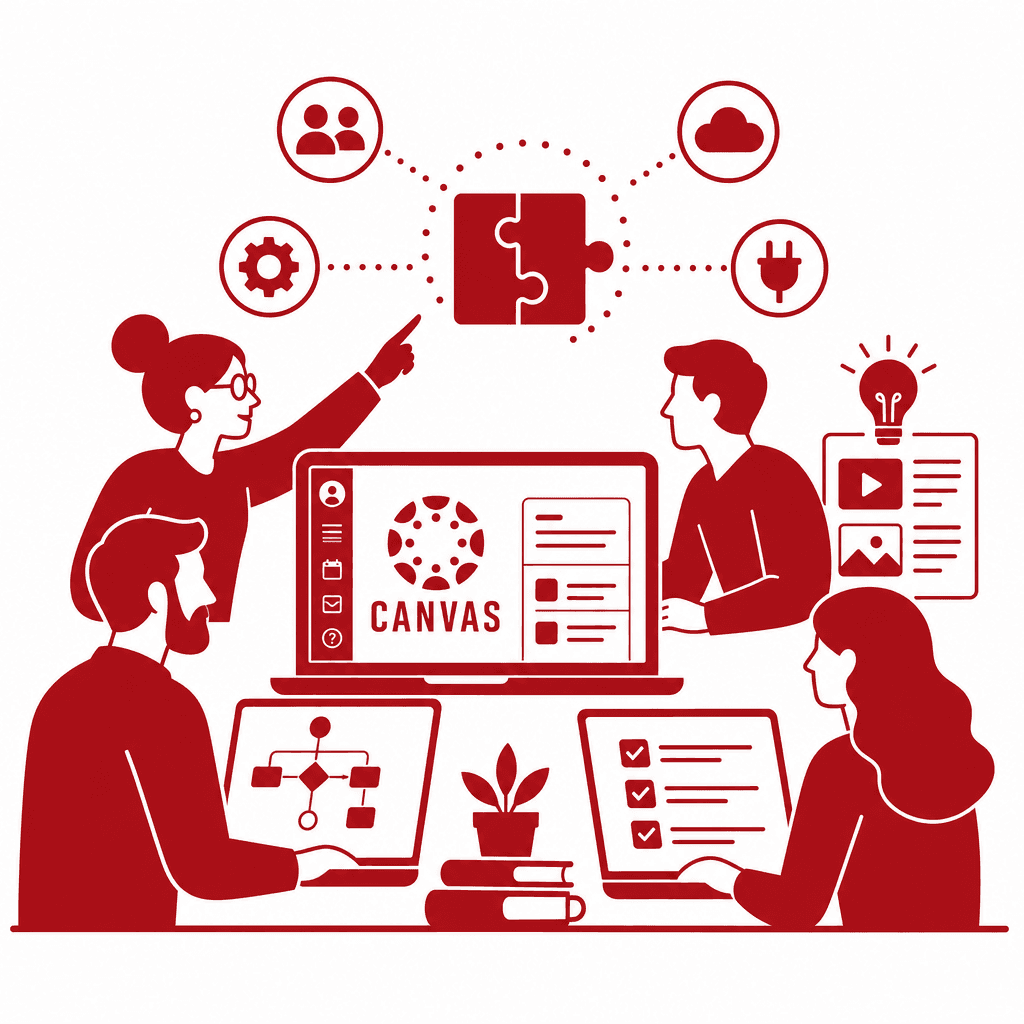
In the dynamic landscape of educational technology, the Canvas LMS stands out due to its adaptability and extensive functionalities. Official partners play a vital role in enhancing Canvas, enabling institutions to customize workflows and optimize learning experiences. This article explores how these collaborations can help educators and administrators effectively address their unique needs in an evolving digital ecosystem.
Understanding the Canvas LMS Ecosystem
As institutions increasingly navigate the complexities of modern educational environments, the importance of collaborating with official Canvas partners becomes more pronounced. Official partners like Raccoon Gang provide a profound advantage through their specialized knowledge and tailored services. These partnerships grant institutions access to an array of resources that extend beyond the out-of-the-box functionalities of the Canvas LMS, addressing unique pedagogical and administrative needs. By working with official partners, institutions can leverage enhanced support, ensuring that any challenges encountered during implementation or maintenance of custom solutions are swiftly addressed. This dedicated support streamlines the administrative workload for LMS administrators, allowing them to focus on core responsibilities rather than troubleshooting technical issues. Furthermore, these partners contribute innovative solutions that ensure alignment with specific institutional goals and strategies, optimizing workflows for both educators and students. In addition to specialized tools that facilitate custom development, the collaborative efforts fostered through these partnerships often lead to creative synergies. This enriched Canvas experience not only enhances student engagement through personalized learning pathways but also empowers educators to deliver more impactful instructional design. The collective expertise of official partners ensures institutions remain agile and responsive to evolving educational demands.
The Value of Official Partnerships
Working with official Canvas partners such as Raccoon Gang brings immense value to institutions striving to enhance their learning management systems. These partnerships provide access to specialized tools and resources that allow educators and instructional designers to leverage custom development capabilities tailored to their specific needs. With official partners' expertise, institutions can integrate cutting-edge solutions that address unique pedagogical challenges, promoting deeper engagement and an enriched learning experience. One of the salient benefits of collaborating with official partners is the level of enhanced support offered. Partners are well-versed in the nuances of Canvas and can provide timely assistance, ensuring that issues are resolved swiftly and effectively. This level of support is indispensable for LMS administrators managing complex integrations and workflows. Moreover, official partners often drive innovation within the Canvas ecosystem. Through their solutions, they enable institutions to optimize workflows, streamline administrative tasks, and facilitate smoother course delivery. The tailored applications developed in collaboration with partners can significantly elevate the overall Canvas experience for both students and educators. When institutions leverage these official partnerships, they not only enhance their operational efficiency but also foster a transformative educational environment that aligns with their unique mission and goals.
Identifying Unique Institutional Needs
In the quest to enhance educational outcomes, institutions must first conduct a thorough needs assessment to identify their specific pedagogical and administrative requirements. Evaluating current challenges within the Canvas LMS framework is essential for determining gaps that may hinder effective learning experiences. Educators and LMS administrators should engage in collaborative discussions, utilizing focus groups and surveys to gather insights from faculty and students alike. Begin by identifying key pain points in existing workflows. Are there repetitive administrative tasks consuming valuable instructional time? Is the user interface intuitive enough for both instructors and learners? Establishing a checklist of desired functionalities can aid in juxtaposing current capabilities against institutional goals. Moreover, employing a workflow mapping approach can surface inefficiencies as educators visually outline processes for course creation, grading, and student engagement. While doing so, it's crucial to keep in mind that needs may evolve; therefore, a periodic reassessment can help capture new challenges and opportunities for enhancement. Through this focused exploration, institutions can better articulate their unique needs to official Canvas partners, optimizing their collaborations for bespoke solutions that not only complement core functionalities but also propel innovative teaching methodologies forward.
Exploring Custom Development Solutions
As institutions explore custom development solutions offered by official Canvas partners, several key integrations emerge as essential for enhancing both pedagogical outcomes and administrative workflows. Official partners like Raccoon Gang provide a range of tools that can be seamlessly integrated into the Canvas LMS, enabling tailored implementations that align with unique institutional needs. One common solution is the development of **analytics dashboards**, which empower educators to visualize student progress and engagement in real-time. These dashboards can be customized to focus on specific metrics, allowing for targeted interventions and informed decision-making. Additionally, **automation systems** simplify tedious administrative tasks, such as grading and communication, freeing up valuable time for faculty and staff. This automation not only enhances efficiency but also ensures consistency in course management and scheduling. For personalized learning pathways, these partners often offer tools that adapt content based on individual learner needs and performance. Tailoring educational experiences this way can greatly increase motivation and success rates for students. By leveraging these custom development solutions, institutions can effectively meet diverse pedagogical demands while streamlining workflows, ultimately transforming the learning environment into a more dynamic and responsive space.
Implementation Strategies for Workflow Optimization
Implementing solutions from official Canvas partners requires a strategic approach to optimize workflows effectively. Institutions should start by forming a collaborative team of stakeholders, including educators, instructional designers, and LMS administrators. This team ensures that diverse perspectives are integrated, aligning new functionalities with pedagogical goals. Next, stakeholder training is crucial. Partners like Raccoon Gang often provide workshops and seminars that enhance educators' understanding of new tools and integrations. Providing educators with hands-on experience fosters confidence in utilizing these custom workflows, ensuring that they can fully leverage the benefits of the integrations. Ongoing support mechanisms are equally important for long-term success. Institutions should establish dedicated support channels, such as a help desk or a community forum, where users can seek assistance and share best practices. Regular check-ins and feedback loops between the development team and users help in fine-tuning workflows and addressing any emerging challenges. Best practices for smooth integration include maintaining clear documentation, scheduling routine updates, and encouraging pilot testing of new solutions. By following these actionable steps, institutions can create a dynamic and tailored educational environment that significantly enhances workflow efficiency and instructional technology use.
Measuring Success and Continuous Improvement
The effectiveness of implemented solutions must be rigorously assessed to ensure that they meet the unique needs of educators and learners. Institutions should adopt a multifaceted approach to measuring success. Collecting feedback from students and faculty provides invaluable insights into user experiences with new workflows and integrations. Surveys, focus groups, and interviews can reveal what is working well and what areas require further attention. Performance analytics—tracking engagement metrics, assignment completion rates, and course outcomes—offers a quantitative measure of how well custom solutions are performing. By analyzing these data points, instructional designers can identify trends, implement adjustments, and target support where it is most needed. Furthermore, ongoing evaluations should not merely be a one-off task but rather an integral part of the institution’s culture. Regular check-ins can foster a responsive environment that pivots quickly when challenges arise. Emphasizing a commitment to continuous improvement is paramount; it not only enhances educational outcomes but also streamlines operational efficiency. As institutions collaborate with official partners, documenting successes and areas for improvement can create a roadmap for future integrations, ensuring that custom workflows evolve alongside the ever-changing educational landscape.
Conclusions
Leveraging official partners within the Canvas LMS ecosystem offers significant advantages for institutions aiming to optimize their workflows and enhance learning experiences. By thoughtfully integrating these custom solutions, educators and LMS administrators can address unique challenges, paving the way for a more efficient and impactful educational journey.
Understanding the Canvas LMS Ecosystem
As institutions increasingly navigate the complexities of modern educational environments, the importance of collaborating with official Canvas partners becomes more pronounced. Official partners like Raccoon Gang provide a profound advantage through their specialized knowledge and tailored services. These partnerships grant institutions access to an array of resources that extend beyond the out-of-the-box functionalities of the Canvas LMS, addressing unique pedagogical and administrative needs. By working with official partners, institutions can leverage enhanced support, ensuring that any challenges encountered during implementation or maintenance of custom solutions are swiftly addressed. This dedicated support streamlines the administrative workload for LMS administrators, allowing them to focus on core responsibilities rather than troubleshooting technical issues. Furthermore, these partners contribute innovative solutions that ensure alignment with specific institutional goals and strategies, optimizing workflows for both educators and students. In addition to specialized tools that facilitate custom development, the collaborative efforts fostered through these partnerships often lead to creative synergies. This enriched Canvas experience not only enhances student engagement through personalized learning pathways but also empowers educators to deliver more impactful instructional design. The collective expertise of official partners ensures institutions remain agile and responsive to evolving educational demands.
The Value of Official Partnerships
Working with official Canvas partners such as Raccoon Gang brings immense value to institutions striving to enhance their learning management systems. These partnerships provide access to specialized tools and resources that allow educators and instructional designers to leverage custom development capabilities tailored to their specific needs. With official partners' expertise, institutions can integrate cutting-edge solutions that address unique pedagogical challenges, promoting deeper engagement and an enriched learning experience. One of the salient benefits of collaborating with official partners is the level of enhanced support offered. Partners are well-versed in the nuances of Canvas and can provide timely assistance, ensuring that issues are resolved swiftly and effectively. This level of support is indispensable for LMS administrators managing complex integrations and workflows. Moreover, official partners often drive innovation within the Canvas ecosystem. Through their solutions, they enable institutions to optimize workflows, streamline administrative tasks, and facilitate smoother course delivery. The tailored applications developed in collaboration with partners can significantly elevate the overall Canvas experience for both students and educators. When institutions leverage these official partnerships, they not only enhance their operational efficiency but also foster a transformative educational environment that aligns with their unique mission and goals.
Identifying Unique Institutional Needs
In the quest to enhance educational outcomes, institutions must first conduct a thorough needs assessment to identify their specific pedagogical and administrative requirements. Evaluating current challenges within the Canvas LMS framework is essential for determining gaps that may hinder effective learning experiences. Educators and LMS administrators should engage in collaborative discussions, utilizing focus groups and surveys to gather insights from faculty and students alike. Begin by identifying key pain points in existing workflows. Are there repetitive administrative tasks consuming valuable instructional time? Is the user interface intuitive enough for both instructors and learners? Establishing a checklist of desired functionalities can aid in juxtaposing current capabilities against institutional goals. Moreover, employing a workflow mapping approach can surface inefficiencies as educators visually outline processes for course creation, grading, and student engagement. While doing so, it's crucial to keep in mind that needs may evolve; therefore, a periodic reassessment can help capture new challenges and opportunities for enhancement. Through this focused exploration, institutions can better articulate their unique needs to official Canvas partners, optimizing their collaborations for bespoke solutions that not only complement core functionalities but also propel innovative teaching methodologies forward.
Exploring Custom Development Solutions
As institutions explore custom development solutions offered by official Canvas partners, several key integrations emerge as essential for enhancing both pedagogical outcomes and administrative workflows. Official partners like Raccoon Gang provide a range of tools that can be seamlessly integrated into the Canvas LMS, enabling tailored implementations that align with unique institutional needs. One common solution is the development of **analytics dashboards**, which empower educators to visualize student progress and engagement in real-time. These dashboards can be customized to focus on specific metrics, allowing for targeted interventions and informed decision-making. Additionally, **automation systems** simplify tedious administrative tasks, such as grading and communication, freeing up valuable time for faculty and staff. This automation not only enhances efficiency but also ensures consistency in course management and scheduling. For personalized learning pathways, these partners often offer tools that adapt content based on individual learner needs and performance. Tailoring educational experiences this way can greatly increase motivation and success rates for students. By leveraging these custom development solutions, institutions can effectively meet diverse pedagogical demands while streamlining workflows, ultimately transforming the learning environment into a more dynamic and responsive space.
Implementation Strategies for Workflow Optimization
Implementing solutions from official Canvas partners requires a strategic approach to optimize workflows effectively. Institutions should start by forming a collaborative team of stakeholders, including educators, instructional designers, and LMS administrators. This team ensures that diverse perspectives are integrated, aligning new functionalities with pedagogical goals. Next, stakeholder training is crucial. Partners like Raccoon Gang often provide workshops and seminars that enhance educators' understanding of new tools and integrations. Providing educators with hands-on experience fosters confidence in utilizing these custom workflows, ensuring that they can fully leverage the benefits of the integrations. Ongoing support mechanisms are equally important for long-term success. Institutions should establish dedicated support channels, such as a help desk or a community forum, where users can seek assistance and share best practices. Regular check-ins and feedback loops between the development team and users help in fine-tuning workflows and addressing any emerging challenges. Best practices for smooth integration include maintaining clear documentation, scheduling routine updates, and encouraging pilot testing of new solutions. By following these actionable steps, institutions can create a dynamic and tailored educational environment that significantly enhances workflow efficiency and instructional technology use.
Measuring Success and Continuous Improvement
The effectiveness of implemented solutions must be rigorously assessed to ensure that they meet the unique needs of educators and learners. Institutions should adopt a multifaceted approach to measuring success. Collecting feedback from students and faculty provides invaluable insights into user experiences with new workflows and integrations. Surveys, focus groups, and interviews can reveal what is working well and what areas require further attention. Performance analytics—tracking engagement metrics, assignment completion rates, and course outcomes—offers a quantitative measure of how well custom solutions are performing. By analyzing these data points, instructional designers can identify trends, implement adjustments, and target support where it is most needed. Furthermore, ongoing evaluations should not merely be a one-off task but rather an integral part of the institution’s culture. Regular check-ins can foster a responsive environment that pivots quickly when challenges arise. Emphasizing a commitment to continuous improvement is paramount; it not only enhances educational outcomes but also streamlines operational efficiency. As institutions collaborate with official partners, documenting successes and areas for improvement can create a roadmap for future integrations, ensuring that custom workflows evolve alongside the ever-changing educational landscape.
Conclusions
Leveraging official partners within the Canvas LMS ecosystem offers significant advantages for institutions aiming to optimize their workflows and enhance learning experiences. By thoughtfully integrating these custom solutions, educators and LMS administrators can address unique challenges, paving the way for a more efficient and impactful educational journey.