Strategic Vetting Evaluating New Canvas Integrations and Partners for Pedagogical Impact
With new Canvas LMS partners and integration options constantly emerging, instructional designers and LMS administrators need a strategic framework for evaluating and implementing these tools. This article will provide a practical guide on how to assess potential Canvas integrations, third-party applications, and new partner offerings to ensure they align with pedagogical goals, enhance teaching and learning workflows, and maintain system stability and accessibility. It will cover criteria for selection, pilot strategies, and best practices for successful adoption.
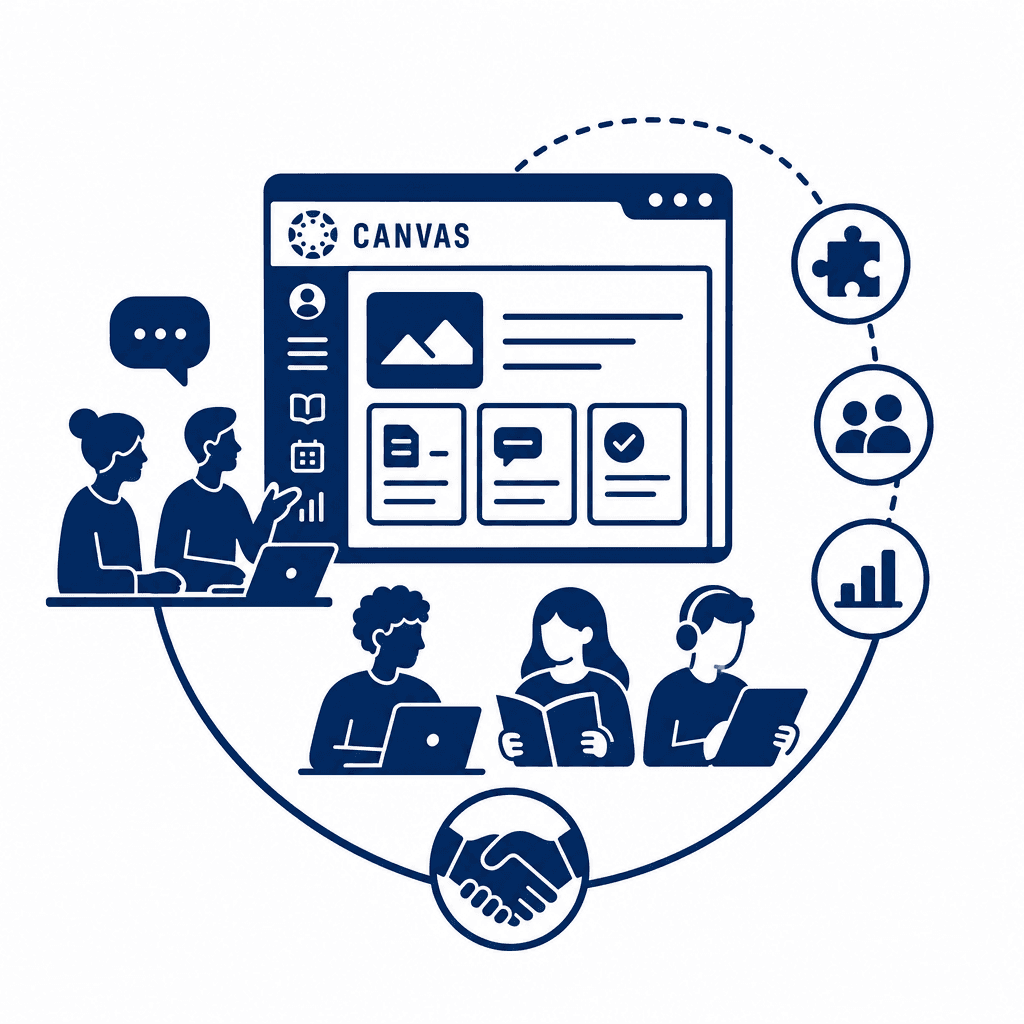
In today's rapidly evolving educational landscape, the integration of new technologies has become paramount for enhancing student learning experiences. This article explores how instructional designers and LMS administrators can strategically evaluate Canvas LMS integrations and partnerships, ensuring they effectively support pedagogical objectives and improve overall instructional quality.
Understanding Canvas LMS and Its Ecosystem
Understanding the Canvas LMS and Its Ecosystem Canvas LMS stands out in the realm of educational technology, providing a robust framework for managing teaching and learning. Its user-friendly design and diverse functionalities enable educators to create, distribute, and assess educational content effectively. Key features such as customizable course layouts, integrated communication tools, and analytics capabilities facilitate a richer learning experience for both instructors and students. Within the broader EdTech landscape, Canvas operates within a dynamic ecosystem characterized by diverse integrations and partnerships that enhance its usability. Integrations play a crucial role in augmenting Canvas's functionality. By connecting with third-party applications, educators can access additional resources, tools, and methods that facilitate various instructional strategies. For instance, integrations may include tools for multimedia content creation, assessments, and student engagement, allowing educators to tailor their courses to meet specific pedagogical needs and preferences. Additionally, partnerships with other EdTech providers offer vital support in terms of training, resources, and ongoing collaboration, ensuring that educators have the tools necessary to thrive in an increasingly digital educational environment. This interconnected approach is essential for fostering innovation and improving learning outcomes within the Canvas ecosystem.
Importance of Evaluating Integrations
Evaluating new integrations for Canvas is paramount to maximizing its potential as an educational platform. The risks of incorporating third-party tools can include system incompatibilities, unexpected learning curve implications for users, and the possibility of detracting from pedagogical objectives. When not assessed thoroughly, integrations can lead to a fragmented user experience, overwhelming users with too many disconnected tools, thereby complicating rather than enhancing teaching and learning workflows. Conversely, the rewards of strategic integration can be substantial. They can foster innovation in instructional design, facilitate personalized learning experiences, and support diverse learner needs. By creating pathways for seamless access to resources, well-evaluated tools can enrich the curriculum while supporting educators in achieving their pedagogical goals. A structured evaluation process becomes essential in navigating these complexities. Instructional designers and LMS administrators must develop a framework to systematically assess potential integrations based on their technical compatibility, relevance to the curriculum, and alignment with desired educational outcomes. This ensures that technology enhances classroom experiences and maintains system stability, ultimately driving educational improvement in the Canvas ecosystem.
Criteria for Selection
When evaluating potential Canvas integrations and partners, it is essential to consider a variety of criteria that align with institutional goals and educational outcomes. First, relevance to curriculum is crucial; the integration should directly support specific learning objectives and enhance the educational experience. By mapping the tool's features to curriculum needs, instructional designers can ensure its effectiveness in enhancing learner engagement. User experience is another key factor. Tools should offer an intuitive interface, minimizing barriers to adoption for both students and faculty. This ensures a seamless integration into existing workflows, thus promoting regular use and enhancing pedagogical impact. Technical compatibility must also be assessed. The new integration should easily connect with the Canvas LMS and existing systems, with reliable performance across various devices and browsers. Consideration of support and maintenance is vital as well; robust vendor support can mitigate implementation issues, ensuring the integration operates effectively. Moreover, alignment with accessibility standards is non-negotiable. Adhering to accessibility guidelines ensures that all learners, regardless of ability, can benefit from the integration, fostering an inclusive learning environment. By systematically evaluating these criteria, institutions can make informed decisions that effectively leverage the Canvas ecosystem.
Developing a Pilot Strategy
Implementing a pilot strategy for newly evaluated Canvas integrations is crucial to ensure impactful and effective use in the educational environment. Start by identifying a diverse group of pilot participants that represent various stakeholders, such as instructional designers, faculty members, and even students. This diversity ensures multiple perspectives, enhancing the evaluation process. Develop clear guidelines outlining participants' roles and expectations during the pilot. Encourage participants to incorporate the new integration into their courses, allowing for real-world application and understanding of the tool's capabilities. As the pilot progresses, establish structured channels for gathering feedback through surveys, focus groups, or regular check-in meetings. Ask participants to evaluate user experience, alignment with instructional goals, and any specific technical challenges encountered. To assess the impact on learning outcomes, track performance metrics such as student engagement and assignment completion rates. Evaluate how the integration affects instructional design, whether it fosters collaboration, or enhances content delivery. Following the pilot, compile findings to make informed decisions about broader adoption, ensuring that the integration aligns with pedagogical goals and enhances overall system performance without compromising stability.
Best Practices for Successful Adoption
The successful adoption of new technology integrations in Canvas necessitates a set of best practices that can enhance user experience and promote pedagogical effectiveness. Training for instructional staff is paramount; it should be tailored to the specific integration, focusing not only on technical skills but also on pedagogical applications. Workshops, webinars, and hands-on session should be implemented to familiarize educators with the features and benefits of new tools. Ongoing support for users is equally critical. Establishing a dedicated support team or point of contact can help educators troubleshoot issues and answer questions in real-time. Creating a library of resources, including FAQs, video tutorials, and user forums, empowers users to seek help independently and fosters a community of shared learning. Monitoring and continuous improvement are vital post-implementation. Setting up mechanisms for regular feedback collection from users allows for the identification of challenges and successes. This feedback loop enables instructional designers and LMS administrators to make necessary adjustments, ensuring that the integration remains relevant and effective long after its initial launch. A commitment to adaptive learning environments will significantly enhance the long-term impacts of Canvas integrations on teaching and learning.
Future Trends in Canvas Integrations
As educational technology continues to evolve, Canvas integrations will increasingly reflect broader trends that significantly impact LMS administration and instructional design. The rise of artificial intelligence (AI) is a key trend likely to reshape how educational tools integrate with Canvas. AI-powered analytics can provide educators with real-time insights into student performance, enabling more responsive and personalized learning experiences. This capability allows instructional designers to create adaptive course materials that cater to individual learning needs, making the integration of AI functionalities a priority for future partners. Data analytics will also play a pivotal role in refining instructional strategies within Canvas. Utilizing large datasets, LMS administrators can uncover patterns that inform curriculum development and instructional practices. Integrations that offer advanced analytics tools will support data-driven decision-making, ensuring that educators can continually enhance teaching methods and improve student outcomes. Moreover, personalized learning is gaining traction as a central theme in education. Platforms that allow for customization will facilitate individualized learning pathways, promoting learner engagement and success. Selecting integrations that prioritize adaptive learning technologies will align with pedagogical goals and meet the diverse needs of today’s learners. As these trends unfold, careful evaluation of emerging integrations will become essential for maximizing the potential of the Canvas ecosystem.
Conclusions
In conclusion, a strategic approach to evaluating Canvas LMS integrations and partners is essential for fostering effective teaching and learning environments. By following the outlined criteria and best practices, educators can ensure that their technology implementations align with educational goals and ultimately lead to improved student outcomes.
Understanding Canvas LMS and Its Ecosystem
Understanding the Canvas LMS and Its Ecosystem Canvas LMS stands out in the realm of educational technology, providing a robust framework for managing teaching and learning. Its user-friendly design and diverse functionalities enable educators to create, distribute, and assess educational content effectively. Key features such as customizable course layouts, integrated communication tools, and analytics capabilities facilitate a richer learning experience for both instructors and students. Within the broader EdTech landscape, Canvas operates within a dynamic ecosystem characterized by diverse integrations and partnerships that enhance its usability. Integrations play a crucial role in augmenting Canvas's functionality. By connecting with third-party applications, educators can access additional resources, tools, and methods that facilitate various instructional strategies. For instance, integrations may include tools for multimedia content creation, assessments, and student engagement, allowing educators to tailor their courses to meet specific pedagogical needs and preferences. Additionally, partnerships with other EdTech providers offer vital support in terms of training, resources, and ongoing collaboration, ensuring that educators have the tools necessary to thrive in an increasingly digital educational environment. This interconnected approach is essential for fostering innovation and improving learning outcomes within the Canvas ecosystem.
Importance of Evaluating Integrations
Evaluating new integrations for Canvas is paramount to maximizing its potential as an educational platform. The risks of incorporating third-party tools can include system incompatibilities, unexpected learning curve implications for users, and the possibility of detracting from pedagogical objectives. When not assessed thoroughly, integrations can lead to a fragmented user experience, overwhelming users with too many disconnected tools, thereby complicating rather than enhancing teaching and learning workflows. Conversely, the rewards of strategic integration can be substantial. They can foster innovation in instructional design, facilitate personalized learning experiences, and support diverse learner needs. By creating pathways for seamless access to resources, well-evaluated tools can enrich the curriculum while supporting educators in achieving their pedagogical goals. A structured evaluation process becomes essential in navigating these complexities. Instructional designers and LMS administrators must develop a framework to systematically assess potential integrations based on their technical compatibility, relevance to the curriculum, and alignment with desired educational outcomes. This ensures that technology enhances classroom experiences and maintains system stability, ultimately driving educational improvement in the Canvas ecosystem.
Criteria for Selection
When evaluating potential Canvas integrations and partners, it is essential to consider a variety of criteria that align with institutional goals and educational outcomes. First, relevance to curriculum is crucial; the integration should directly support specific learning objectives and enhance the educational experience. By mapping the tool's features to curriculum needs, instructional designers can ensure its effectiveness in enhancing learner engagement. User experience is another key factor. Tools should offer an intuitive interface, minimizing barriers to adoption for both students and faculty. This ensures a seamless integration into existing workflows, thus promoting regular use and enhancing pedagogical impact. Technical compatibility must also be assessed. The new integration should easily connect with the Canvas LMS and existing systems, with reliable performance across various devices and browsers. Consideration of support and maintenance is vital as well; robust vendor support can mitigate implementation issues, ensuring the integration operates effectively. Moreover, alignment with accessibility standards is non-negotiable. Adhering to accessibility guidelines ensures that all learners, regardless of ability, can benefit from the integration, fostering an inclusive learning environment. By systematically evaluating these criteria, institutions can make informed decisions that effectively leverage the Canvas ecosystem.
Developing a Pilot Strategy
Implementing a pilot strategy for newly evaluated Canvas integrations is crucial to ensure impactful and effective use in the educational environment. Start by identifying a diverse group of pilot participants that represent various stakeholders, such as instructional designers, faculty members, and even students. This diversity ensures multiple perspectives, enhancing the evaluation process. Develop clear guidelines outlining participants' roles and expectations during the pilot. Encourage participants to incorporate the new integration into their courses, allowing for real-world application and understanding of the tool's capabilities. As the pilot progresses, establish structured channels for gathering feedback through surveys, focus groups, or regular check-in meetings. Ask participants to evaluate user experience, alignment with instructional goals, and any specific technical challenges encountered. To assess the impact on learning outcomes, track performance metrics such as student engagement and assignment completion rates. Evaluate how the integration affects instructional design, whether it fosters collaboration, or enhances content delivery. Following the pilot, compile findings to make informed decisions about broader adoption, ensuring that the integration aligns with pedagogical goals and enhances overall system performance without compromising stability.
Best Practices for Successful Adoption
The successful adoption of new technology integrations in Canvas necessitates a set of best practices that can enhance user experience and promote pedagogical effectiveness. Training for instructional staff is paramount; it should be tailored to the specific integration, focusing not only on technical skills but also on pedagogical applications. Workshops, webinars, and hands-on session should be implemented to familiarize educators with the features and benefits of new tools. Ongoing support for users is equally critical. Establishing a dedicated support team or point of contact can help educators troubleshoot issues and answer questions in real-time. Creating a library of resources, including FAQs, video tutorials, and user forums, empowers users to seek help independently and fosters a community of shared learning. Monitoring and continuous improvement are vital post-implementation. Setting up mechanisms for regular feedback collection from users allows for the identification of challenges and successes. This feedback loop enables instructional designers and LMS administrators to make necessary adjustments, ensuring that the integration remains relevant and effective long after its initial launch. A commitment to adaptive learning environments will significantly enhance the long-term impacts of Canvas integrations on teaching and learning.
Future Trends in Canvas Integrations
As educational technology continues to evolve, Canvas integrations will increasingly reflect broader trends that significantly impact LMS administration and instructional design. The rise of artificial intelligence (AI) is a key trend likely to reshape how educational tools integrate with Canvas. AI-powered analytics can provide educators with real-time insights into student performance, enabling more responsive and personalized learning experiences. This capability allows instructional designers to create adaptive course materials that cater to individual learning needs, making the integration of AI functionalities a priority for future partners. Data analytics will also play a pivotal role in refining instructional strategies within Canvas. Utilizing large datasets, LMS administrators can uncover patterns that inform curriculum development and instructional practices. Integrations that offer advanced analytics tools will support data-driven decision-making, ensuring that educators can continually enhance teaching methods and improve student outcomes. Moreover, personalized learning is gaining traction as a central theme in education. Platforms that allow for customization will facilitate individualized learning pathways, promoting learner engagement and success. Selecting integrations that prioritize adaptive learning technologies will align with pedagogical goals and meet the diverse needs of today’s learners. As these trends unfold, careful evaluation of emerging integrations will become essential for maximizing the potential of the Canvas ecosystem.
Conclusions
In conclusion, a strategic approach to evaluating Canvas LMS integrations and partners is essential for fostering effective teaching and learning environments. By following the outlined criteria and best practices, educators can ensure that their technology implementations align with educational goals and ultimately lead to improved student outcomes.