
Troubleshooting Adaptive AI in Canvas When Personalization Stalls and How to Revive It
This article offers Canvas educators and instructional designers practical strategies to diagnose and resolve issues when AI-powered adaptive learning systems in Canvas appear to lose their personalization capabilities. Learn how to identify common pitfalls, implement corrective measures, and ensure adaptive learning paths continue to effectively cater to individual student needs and preferences, maximizing engagement and learning outcomes.
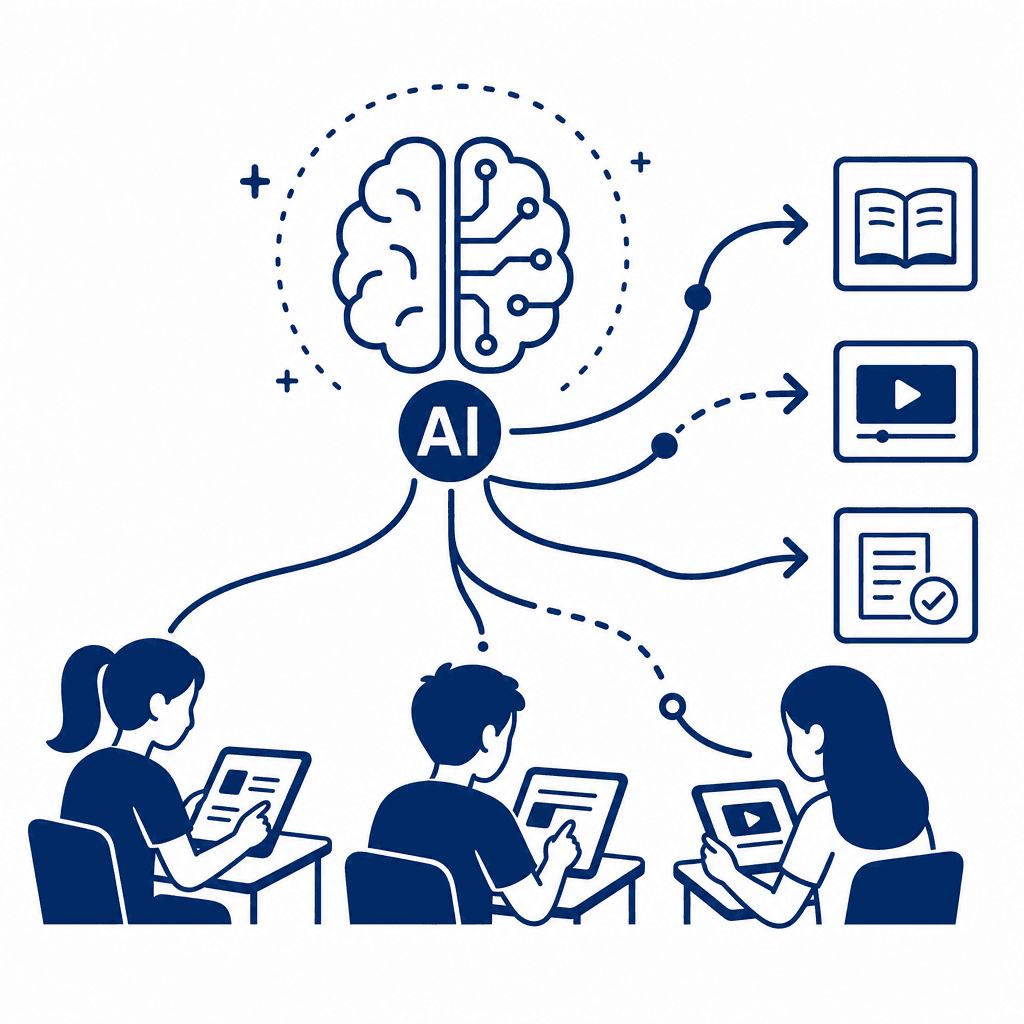
In today's educational landscape, adaptive learning powered by AI has the potential to significantly enhance student engagement and outcomes. However, challenges can arise that disrupt personalized learning experiences. This article delves into practical troubleshooting strategies for Canvas educators and instructional designers facing issues with adaptive AI, ensuring these systems maintain their effectiveness.
Understanding Adaptive Learning and AI
Adaptive learning, fundamentally characterized by its ability to tailor educational experiences to individual learners, relies heavily on the integration of artificial intelligence (AI) technologies. These systems dynamically adjust content, resources, and learning paths based on real-time data, enabling educators to address diverse student needs effectively. At the heart of adaptive learning is the process of continuous assessment. By leveraging performance metrics, engagement levels, and learning patterns, systems can offer a personalized learning journey that enhances both retention and comprehension. Within the Canvas LMS environment, adaptive learning features are prominently facilitated. Canvas integrates powerful AI algorithms that analyze student interactions, allowing for a responsive educational ecosystem. This interplay between adaptability and user input generates a learning experience that actively responds to student progress and preferences. Key concepts in this realm include the significance of data-driven feedback loops and the concept of learning trajectories, where the system guides learners through customized pathways. The benefits of such an approach are multifold, encompassing improved learning outcomes, increased student engagement, and a more inclusive learning environment that acknowledges varied learning styles and paces. As educational paradigms shift towards more personalized experiences, understanding these foundational elements of adaptive learning and AI becomes crucial for educators and instructional designers alike.
Common Challenges in AI-Driven Personalization
In the realm of AI-driven adaptive learning, several common challenges can cause personalization systems within Canvas to stall. One significant factor is **inadequate data**. The effectiveness of adaptive learning hinges on the robustness of the data it processes. If the system lacks sufficient user data—such as learning preferences, performance metrics, or engagement levels—its ability to tailor recommendations becomes severely compromised. For instance, if a student engages in varied study habits but fails to log these practices, the AI may not adapt appropriately, foregoing crucial insights into their learning style. **Poor algorithm performance** is another critical concern. Algorithms are designed to analyze and interpret data, but if they are not optimized or if their parameters are set incorrectly, students may receive generic or misaligned content. Consider a scenario where a specific algorithm does not recognize a student's struggle with advanced mathematics, resulting in continued recommendations for materials that do not address the identified skill gap. User engagement issues also play a vital role. If students do not actively participate in the platform, whether through interactions or timely submissions, the adaptive learning experience can falter. For example, a lack of timely feedback on assessments might demotivate students, leading them to disengage entirely from the personalized recommendations, ultimately hindering their overall learning journey and frustrating educators who rely on these tools to enhance student outcomes.
Diagnosing Personalization Failures
When faced with the challenge of diagnosing why an adaptive learning system in Canvas might not be delivering the expected levels of personalized learning, educators can take several methodical steps. First, analyzing user data is crucial. Review student interaction metrics such as time spent on tasks, quiz scores, and engagement levels. These indicators can reveal patterns or drop-offs in personalization. Next, evaluate the system's performance metrics. Are the algorithms functioning as intended? Utilize diagnostic tools available within Canvas to assess the algorithm’s responsiveness to user inputs. Look for discrepancies between expected outcomes and actual student experiences. Soliciting feedback from students can provide invaluable insight. Consider employing surveys or focus groups to gather opinions on the relevance and effectiveness of the adaptive features. Ask students about their perceived engagement and how well the content aligns with their learning preferences. To streamline the troubleshooting process, use the following checklist: - Review student interaction data for trends - Assess algorithm performance metrics - Collect qualitative feedback from students - Identify discrepancies in expected vs. actual outcomes - Verify that personalization settings are correctly configured Using these strategies, educators can initiate targeted inquiries into personalization failures, setting the stage for effective resolution.
Implementing Corrective Measures
To revive personalization within adaptive learning systems in Canvas, educators and instructional designers should adopt several actionable strategies. A primary focus should be on refining data inputs, as the quality of the data directly affects algorithm performance. This can include ensuring that assessments are aligned with learning objectives and that demographic and engagement data is accurate and comprehensive. Recalibrating algorithms is another vital step. Regularly reviewing and adjusting the parameters that dictate how the AI interprets data can restore its responsiveness to student needs. In practice, a case study from a higher education institution showed that by tweaking the machine learning model’s hyperparameters based on recent student performance data, they improved the accuracy of personalized recommendations by 30%. Enhancing user interface design also plays a critical role in personalization. A redesign that prioritizes intuitive navigation and contextual feedback can lead to improved user engagement. For example, a K-12 institution that simplified its dashboard saw a 20% increase in student interactions, leading to richer data for the adaptive system to work with. By implementing these corrective measures, educators can ensure that adaptive learning paths remain responsive and effective, ultimately enriching the educational experience.
Monitoring and Maintenance of Adaptive AI Systems
Ongoing monitoring and maintenance of AI-powered adaptive learning systems within Canvas is critical for ensuring that the personalization features remain effective and robust. As technologies evolve and learner needs change, consistent oversight is essential for sustaining engagement and optimizing learning outcomes. One of the most effective tools for this purpose is a robust analytics framework. By continuously analyzing learner interaction data, educators can identify patterns that signal when personalization may be faltering. This involves tracking metrics such as student progress, completion rates, and interaction frequency with content. In addition, conducting regular formative assessments that gauge students’ understanding allows for real-time adjustments to the personalized learning paths. Feedback collection mechanisms are invaluable for understanding user experience. Surveys, interviews, and focus groups can provide qualitative data that complements quantitative analytics. Utilizing platforms for real-time feedback, such as discussion boards or embedded surveys within Canvas, ensures that users feel heard and can inform necessary tweaks in instructional design. Regular updates to the AI algorithms based on collected data and user feedback can lead to significant improvements in engagement. By refining these systems and aligning them with best practices, educators can ensure that adaptive learning continues to meet the evolving needs of students, enhancing overall educational efficacy within tailored learning environments.
Future Directions for Adaptive Learning in Canvas
As we look toward the future of adaptive learning technologies within Canvas, the landscape is poised for transformative changes driven by advances in AI and machine learning. The evolution of these technologies will not only enhance personalized learning experiences but also empower educators with sophisticated tools for instructional design. With increased automation, educators may spend less time on administrative tasks, allowing them to focus more on refining their pedagogical approaches and engaging with students. Emerging trends suggest that machine learning algorithms will continue to grow increasingly sophisticated, leveraging vast amounts of data to identify unique learning patterns and preferences. This capacity for deeper analysis will enhance personalization, enabling adaptive learning systems in Canvas to deliver more targeted learning paths that respond dynamically to student interactions. Additionally, the integration of natural language processing may facilitate more intuitive student-teacher interactions, allowing for a more seamless educational journey. Furthermore, as new pedagogical approaches gain traction, such as blended learning and competency-based education, adaptive systems will need to evolve accordingly. The interplay between AI innovations and these methodologies will ensure that personalization remains at the forefront, equipping educators with the insights and flexibility necessary to respond to the diverse needs of their learners and ultimately reshape the educational experience.
Conclusions
In conclusion, navigating the complexities of adaptive AI within Canvas requires a proactive approach. By understanding common pitfalls and implementing effective strategies, educators can ensure that personalized learning paths are preserved, maximizing student engagement and achievement. Continuous monitoring and adaptation will be key to harnessing the full potential of AI in education.
Understanding Adaptive Learning and AI
Adaptive learning, fundamentally characterized by its ability to tailor educational experiences to individual learners, relies heavily on the integration of artificial intelligence (AI) technologies. These systems dynamically adjust content, resources, and learning paths based on real-time data, enabling educators to address diverse student needs effectively. At the heart of adaptive learning is the process of continuous assessment. By leveraging performance metrics, engagement levels, and learning patterns, systems can offer a personalized learning journey that enhances both retention and comprehension. Within the Canvas LMS environment, adaptive learning features are prominently facilitated. Canvas integrates powerful AI algorithms that analyze student interactions, allowing for a responsive educational ecosystem. This interplay between adaptability and user input generates a learning experience that actively responds to student progress and preferences. Key concepts in this realm include the significance of data-driven feedback loops and the concept of learning trajectories, where the system guides learners through customized pathways. The benefits of such an approach are multifold, encompassing improved learning outcomes, increased student engagement, and a more inclusive learning environment that acknowledges varied learning styles and paces. As educational paradigms shift towards more personalized experiences, understanding these foundational elements of adaptive learning and AI becomes crucial for educators and instructional designers alike.
Common Challenges in AI-Driven Personalization
In the realm of AI-driven adaptive learning, several common challenges can cause personalization systems within Canvas to stall. One significant factor is **inadequate data**. The effectiveness of adaptive learning hinges on the robustness of the data it processes. If the system lacks sufficient user data—such as learning preferences, performance metrics, or engagement levels—its ability to tailor recommendations becomes severely compromised. For instance, if a student engages in varied study habits but fails to log these practices, the AI may not adapt appropriately, foregoing crucial insights into their learning style. **Poor algorithm performance** is another critical concern. Algorithms are designed to analyze and interpret data, but if they are not optimized or if their parameters are set incorrectly, students may receive generic or misaligned content. Consider a scenario where a specific algorithm does not recognize a student's struggle with advanced mathematics, resulting in continued recommendations for materials that do not address the identified skill gap. User engagement issues also play a vital role. If students do not actively participate in the platform, whether through interactions or timely submissions, the adaptive learning experience can falter. For example, a lack of timely feedback on assessments might demotivate students, leading them to disengage entirely from the personalized recommendations, ultimately hindering their overall learning journey and frustrating educators who rely on these tools to enhance student outcomes.
Diagnosing Personalization Failures
When faced with the challenge of diagnosing why an adaptive learning system in Canvas might not be delivering the expected levels of personalized learning, educators can take several methodical steps. First, analyzing user data is crucial. Review student interaction metrics such as time spent on tasks, quiz scores, and engagement levels. These indicators can reveal patterns or drop-offs in personalization. Next, evaluate the system's performance metrics. Are the algorithms functioning as intended? Utilize diagnostic tools available within Canvas to assess the algorithm’s responsiveness to user inputs. Look for discrepancies between expected outcomes and actual student experiences. Soliciting feedback from students can provide invaluable insight. Consider employing surveys or focus groups to gather opinions on the relevance and effectiveness of the adaptive features. Ask students about their perceived engagement and how well the content aligns with their learning preferences. To streamline the troubleshooting process, use the following checklist: - Review student interaction data for trends - Assess algorithm performance metrics - Collect qualitative feedback from students - Identify discrepancies in expected vs. actual outcomes - Verify that personalization settings are correctly configured Using these strategies, educators can initiate targeted inquiries into personalization failures, setting the stage for effective resolution.
Implementing Corrective Measures
To revive personalization within adaptive learning systems in Canvas, educators and instructional designers should adopt several actionable strategies. A primary focus should be on refining data inputs, as the quality of the data directly affects algorithm performance. This can include ensuring that assessments are aligned with learning objectives and that demographic and engagement data is accurate and comprehensive. Recalibrating algorithms is another vital step. Regularly reviewing and adjusting the parameters that dictate how the AI interprets data can restore its responsiveness to student needs. In practice, a case study from a higher education institution showed that by tweaking the machine learning model’s hyperparameters based on recent student performance data, they improved the accuracy of personalized recommendations by 30%. Enhancing user interface design also plays a critical role in personalization. A redesign that prioritizes intuitive navigation and contextual feedback can lead to improved user engagement. For example, a K-12 institution that simplified its dashboard saw a 20% increase in student interactions, leading to richer data for the adaptive system to work with. By implementing these corrective measures, educators can ensure that adaptive learning paths remain responsive and effective, ultimately enriching the educational experience.
Monitoring and Maintenance of Adaptive AI Systems
Ongoing monitoring and maintenance of AI-powered adaptive learning systems within Canvas is critical for ensuring that the personalization features remain effective and robust. As technologies evolve and learner needs change, consistent oversight is essential for sustaining engagement and optimizing learning outcomes. One of the most effective tools for this purpose is a robust analytics framework. By continuously analyzing learner interaction data, educators can identify patterns that signal when personalization may be faltering. This involves tracking metrics such as student progress, completion rates, and interaction frequency with content. In addition, conducting regular formative assessments that gauge students’ understanding allows for real-time adjustments to the personalized learning paths. Feedback collection mechanisms are invaluable for understanding user experience. Surveys, interviews, and focus groups can provide qualitative data that complements quantitative analytics. Utilizing platforms for real-time feedback, such as discussion boards or embedded surveys within Canvas, ensures that users feel heard and can inform necessary tweaks in instructional design. Regular updates to the AI algorithms based on collected data and user feedback can lead to significant improvements in engagement. By refining these systems and aligning them with best practices, educators can ensure that adaptive learning continues to meet the evolving needs of students, enhancing overall educational efficacy within tailored learning environments.
Future Directions for Adaptive Learning in Canvas
As we look toward the future of adaptive learning technologies within Canvas, the landscape is poised for transformative changes driven by advances in AI and machine learning. The evolution of these technologies will not only enhance personalized learning experiences but also empower educators with sophisticated tools for instructional design. With increased automation, educators may spend less time on administrative tasks, allowing them to focus more on refining their pedagogical approaches and engaging with students. Emerging trends suggest that machine learning algorithms will continue to grow increasingly sophisticated, leveraging vast amounts of data to identify unique learning patterns and preferences. This capacity for deeper analysis will enhance personalization, enabling adaptive learning systems in Canvas to deliver more targeted learning paths that respond dynamically to student interactions. Additionally, the integration of natural language processing may facilitate more intuitive student-teacher interactions, allowing for a more seamless educational journey. Furthermore, as new pedagogical approaches gain traction, such as blended learning and competency-based education, adaptive systems will need to evolve accordingly. The interplay between AI innovations and these methodologies will ensure that personalization remains at the forefront, equipping educators with the insights and flexibility necessary to respond to the diverse needs of their learners and ultimately reshape the educational experience.
Conclusions
In conclusion, navigating the complexities of adaptive AI within Canvas requires a proactive approach. By understanding common pitfalls and implementing effective strategies, educators can ensure that personalized learning paths are preserved, maximizing student engagement and achievement. Continuous monitoring and adaptation will be key to harnessing the full potential of AI in education.