Unlocking LXP Potential in Canvas - Strategies for Personalized and Engaging Learning Pathways
Discover how to transform your Canvas courses into dynamic learning experiences that rival Learning Experience Platforms (LXPs). This article provides practical strategies for using Canvas features, integrations, and instructional design principles to deliver personalized content, foster learner autonomy, facilitate skill development, and enhance overall engagement, all within the familiar Canvas environment.
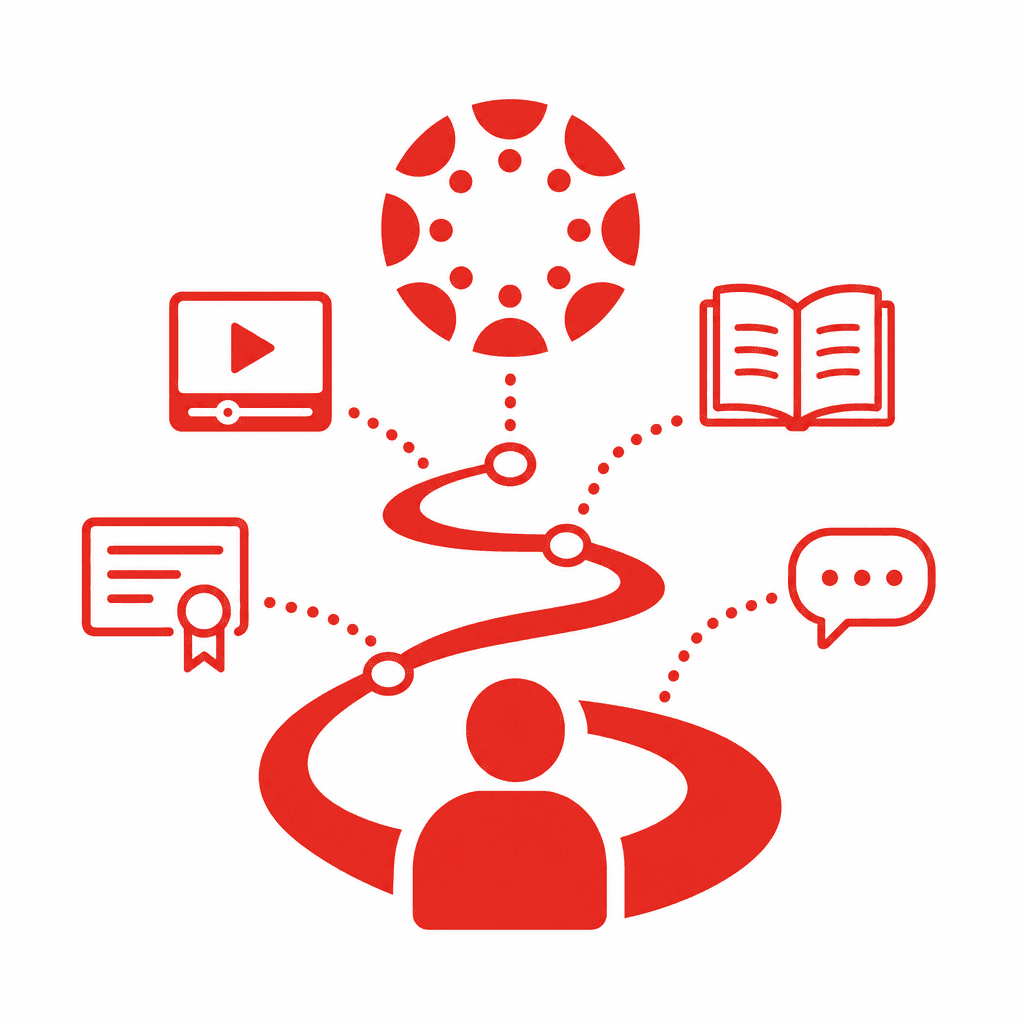
The evolution of learning management systems has brought the capabilities of Learning Experience Platforms (LXPs) within reach of tools like Canvas. This article explores how to leverage Canvas features to create personalized and immersive learning experiences, ensuring student engagement and autonomy while fostering skill development. Join us as we delve into practical strategies that can transform your Canvas courses.
Understanding Canvas and LXP Synergy
Understanding Canvas and LXP Synergy Canvas serves as a robust Learning Management System (LMS), providing educators with the tools to facilitate course content delivery, manage student assessments, and foster communication within a structured environment. While traditional LMS platforms emphasize content management, Learning Experience Platforms (LXPs) prioritize learner engagement through personalized pathways and flexibility that align with individual learner needs. Key features of LXPs include adaptive learning technologies, learner-driven content selection, and a focus on skill development, allowing for a more tailored educational experience. Integrating LXP principles into Canvas can significantly enhance learning outcomes. For instance, leveraging Canvas’s built-in analytics can provide insights into student behavior and preferences, enabling instructors to adjust course materials and activities accordingly. Utilizing tools such as outcome-based assessments can guide students to mastery at their own pace. Additionally, Canvas's API integrations with other educational tools can expand its functionality, further mimicking the adaptable nature of LXPs. By infusing these personalized learning principles into Canvas, educators can create dynamic, engaging learning environments that not only motivate students but also cultivate their autonomy and skill acquisition, thereby leading to more meaningful educational experiences.
Creating Personalized Learning Pathways
Creating personalized learning pathways within Canvas elevates the learner experience by enabling tailored educational journeys. One of the most effective methods to achieve this is through the strategic use of modules, outcomes, and the learning mastery gradebook. In Canvas, modules can be employed to create a structured yet flexible array of content that aligns with different learning preferences and paces. For instance, offering supplemental resources for advanced learners or alternative formats, such as videos versus text, ensures that every student finds materials that resonate with their individual learning style. Outcomes can further personalize the experience by linking assessments to specific skills or competencies. Educators can define mastery criteria and provide varied assessment methods, such as traditional quizzes and project-based evaluations, that cater to different strengths. This ensures that learners engage with material that is not only relevant but also challenging enough to promote growth. Utilizing the learning mastery gradebook, instructors can track student progress toward individual learning objectives instead of a general course average. This allows for timely feedback and targeted interventions, fostering a more customized learning environment. By implementing these strategies within Canvas, educators can effectively facilitate differentiated instruction, ensuring that each learner's journey is both personalized and impactful.
Fostering Learner Autonomy
Fostering learner autonomy is essential for creating engaged and self-directed students within the Canvas environment. Allowing students to take ownership of their learning experience not only enhances motivation but also cultivates important lifelong skills. Canvas provides a range of features that support this autonomy, such as rubrics, feedback mechanisms, and peer assessments, empowering students to navigate their educational journey more effectively. Rubrics serve as clear guides for students, delineating expectations and providing a framework for self-assessment. By allowing learners to utilize these tools, instructors can help them identify their strengths and areas for improvement. Additionally, timely and constructive feedback plays a crucial role in fostering autonomy. When students receive ongoing feedback, they are encouraged to reflect on their work and make adjustments, thereby taking responsibility for their learning. Peer assessments further enhance autonomy by placing students in evaluative roles, promoting collaboration, and encouraging critical thinking. This practice not only enriches the learning experience but also enables students to learn from one another, fostering community and support within the course. By integrating these components into course design, educators can promote a culture of self-directed learning, where students actively make choices and assume responsibilities for their educational outcomes.
Facilitating Skill Development
Incorporating skill development into Canvas courses is vital for preparing learners for real-world applications. Using authentic assessments allows students to engage with content meaningfully. They create projects that mirror professional tasks, enabling them to build practical skills. For instance, rather than traditional quizzes, consider having students create portfolios or case studies that showcase their understanding and application of course material. This approach not only evaluates their knowledge but also encourages critical thinking and creativity. Integrating project-based learning serves a dual purpose: it deepens content comprehension while fostering collaboration among peers. By working in teams, learners can tackle complex problems, learning from each other and developing interpersonal skills essential in today’s workplaces. Various multimedia resources, such as videos, podcasts, and infographics, can be effectively woven into these projects, enhancing engagement and catering to diverse learning styles. Furthermore, formative assessments play a crucial role in skill development. Regular, low-stakes assessments provide opportunities for feedback and reflection, allowing learners to track their progress and identify areas for improvement. This iterative feedback loop not only builds confidence but also equips students with the ability to demonstrate their skills progressively, preparing them for future challenges and enhancing their overall learning experience.
Enhancing Engagement with Interactive Content
Engagement is a critical factor in maximizing the learning experience, and interactive content within Canvas serves as a powerful conduit for this engagement. By incorporating elements such as gamification, discussion boards, and external tools, educators can foster a more immersive and stimulating learning environment that not only captivates learners but also enhances their learning outcomes. Gamification, with its use of points, badges, and leaderboards, encourages learners to progress at their own pace while adding a fun, competitive element to the learning process. This approach taps into intrinsic motivation, making learning less about compliance and more about personal achievement. In addition to gamification, Canvas provides features like discussion boards that can be harnessed for collaborative learning. These boards promote real-time dialogue among peers, encouraging students to articulate their thoughts, thereby deepening their understanding of course material. Furthermore, the integration of external tools such as interactive quizzes, simulations, and multimedia content permits educators to create a rich tapestry of experiences that cater to various learning styles. These interactive components not only make the content more engaging but also support learners in consolidating their knowledge through active participation. By leveraging these strategies, educators can transform static courses into vibrant learning experiences, ensuring that students remain invested in their educational journey. This engagement serves as the bedrock for deeper learning, setting the stage for effective skill development that was discussed previously.
Assessing and Iterating on Learning Experiences
To ensure the effectiveness of learning experiences created in Canvas, a systematic approach to assessment and iteration is essential. Gathering student feedback is a critical first step. This can be facilitated through anonymity, encouraging honest responses via surveys or feedback forms integrated within the course ecosystem. Consider periodic pulse checks, where short, focused questions assess student satisfaction or barriers to engagement. In addition to explicit feedback, Canvas enables the analysis of engagement metrics, such as completion rates, time spent on modules, and participation in discussions. By examining these data points, instructors can identify trends that signal areas requiring adjustment. For instance, a high dropout rate at a specific module may reveal that the content is too challenging, prompting a reevaluation of instructional materials or support resources. Iterating on course design should be an ongoing process. The insights gathered allow for refinements that make content more relevant and accessible to learners, ultimately enhancing their experience. Promote a culture of continuous improvement, where courses evolve based on data-driven insights, fostering a dynamic learning environment that meets student needs and keeps pace with changing educational landscapes.
Conclusions
In conclusion, harnessing the potential of Canvas through intentional course design, personalized learning strategies, and effective use of features can create engaging and interactive learning pathways reminiscent of LXPs. By implementing these strategies, educators can significantly enhance student experience and achievement, ultimately leading to a rich learning environment conducive to growth and success.
Understanding Canvas and LXP Synergy
Understanding Canvas and LXP Synergy Canvas serves as a robust Learning Management System (LMS), providing educators with the tools to facilitate course content delivery, manage student assessments, and foster communication within a structured environment. While traditional LMS platforms emphasize content management, Learning Experience Platforms (LXPs) prioritize learner engagement through personalized pathways and flexibility that align with individual learner needs. Key features of LXPs include adaptive learning technologies, learner-driven content selection, and a focus on skill development, allowing for a more tailored educational experience. Integrating LXP principles into Canvas can significantly enhance learning outcomes. For instance, leveraging Canvas’s built-in analytics can provide insights into student behavior and preferences, enabling instructors to adjust course materials and activities accordingly. Utilizing tools such as outcome-based assessments can guide students to mastery at their own pace. Additionally, Canvas's API integrations with other educational tools can expand its functionality, further mimicking the adaptable nature of LXPs. By infusing these personalized learning principles into Canvas, educators can create dynamic, engaging learning environments that not only motivate students but also cultivate their autonomy and skill acquisition, thereby leading to more meaningful educational experiences.
Creating Personalized Learning Pathways
Creating personalized learning pathways within Canvas elevates the learner experience by enabling tailored educational journeys. One of the most effective methods to achieve this is through the strategic use of modules, outcomes, and the learning mastery gradebook. In Canvas, modules can be employed to create a structured yet flexible array of content that aligns with different learning preferences and paces. For instance, offering supplemental resources for advanced learners or alternative formats, such as videos versus text, ensures that every student finds materials that resonate with their individual learning style. Outcomes can further personalize the experience by linking assessments to specific skills or competencies. Educators can define mastery criteria and provide varied assessment methods, such as traditional quizzes and project-based evaluations, that cater to different strengths. This ensures that learners engage with material that is not only relevant but also challenging enough to promote growth. Utilizing the learning mastery gradebook, instructors can track student progress toward individual learning objectives instead of a general course average. This allows for timely feedback and targeted interventions, fostering a more customized learning environment. By implementing these strategies within Canvas, educators can effectively facilitate differentiated instruction, ensuring that each learner's journey is both personalized and impactful.
Fostering Learner Autonomy
Fostering learner autonomy is essential for creating engaged and self-directed students within the Canvas environment. Allowing students to take ownership of their learning experience not only enhances motivation but also cultivates important lifelong skills. Canvas provides a range of features that support this autonomy, such as rubrics, feedback mechanisms, and peer assessments, empowering students to navigate their educational journey more effectively. Rubrics serve as clear guides for students, delineating expectations and providing a framework for self-assessment. By allowing learners to utilize these tools, instructors can help them identify their strengths and areas for improvement. Additionally, timely and constructive feedback plays a crucial role in fostering autonomy. When students receive ongoing feedback, they are encouraged to reflect on their work and make adjustments, thereby taking responsibility for their learning. Peer assessments further enhance autonomy by placing students in evaluative roles, promoting collaboration, and encouraging critical thinking. This practice not only enriches the learning experience but also enables students to learn from one another, fostering community and support within the course. By integrating these components into course design, educators can promote a culture of self-directed learning, where students actively make choices and assume responsibilities for their educational outcomes.
Facilitating Skill Development
Incorporating skill development into Canvas courses is vital for preparing learners for real-world applications. Using authentic assessments allows students to engage with content meaningfully. They create projects that mirror professional tasks, enabling them to build practical skills. For instance, rather than traditional quizzes, consider having students create portfolios or case studies that showcase their understanding and application of course material. This approach not only evaluates their knowledge but also encourages critical thinking and creativity. Integrating project-based learning serves a dual purpose: it deepens content comprehension while fostering collaboration among peers. By working in teams, learners can tackle complex problems, learning from each other and developing interpersonal skills essential in today’s workplaces. Various multimedia resources, such as videos, podcasts, and infographics, can be effectively woven into these projects, enhancing engagement and catering to diverse learning styles. Furthermore, formative assessments play a crucial role in skill development. Regular, low-stakes assessments provide opportunities for feedback and reflection, allowing learners to track their progress and identify areas for improvement. This iterative feedback loop not only builds confidence but also equips students with the ability to demonstrate their skills progressively, preparing them for future challenges and enhancing their overall learning experience.
Enhancing Engagement with Interactive Content
Engagement is a critical factor in maximizing the learning experience, and interactive content within Canvas serves as a powerful conduit for this engagement. By incorporating elements such as gamification, discussion boards, and external tools, educators can foster a more immersive and stimulating learning environment that not only captivates learners but also enhances their learning outcomes. Gamification, with its use of points, badges, and leaderboards, encourages learners to progress at their own pace while adding a fun, competitive element to the learning process. This approach taps into intrinsic motivation, making learning less about compliance and more about personal achievement. In addition to gamification, Canvas provides features like discussion boards that can be harnessed for collaborative learning. These boards promote real-time dialogue among peers, encouraging students to articulate their thoughts, thereby deepening their understanding of course material. Furthermore, the integration of external tools such as interactive quizzes, simulations, and multimedia content permits educators to create a rich tapestry of experiences that cater to various learning styles. These interactive components not only make the content more engaging but also support learners in consolidating their knowledge through active participation. By leveraging these strategies, educators can transform static courses into vibrant learning experiences, ensuring that students remain invested in their educational journey. This engagement serves as the bedrock for deeper learning, setting the stage for effective skill development that was discussed previously.
Assessing and Iterating on Learning Experiences
To ensure the effectiveness of learning experiences created in Canvas, a systematic approach to assessment and iteration is essential. Gathering student feedback is a critical first step. This can be facilitated through anonymity, encouraging honest responses via surveys or feedback forms integrated within the course ecosystem. Consider periodic pulse checks, where short, focused questions assess student satisfaction or barriers to engagement. In addition to explicit feedback, Canvas enables the analysis of engagement metrics, such as completion rates, time spent on modules, and participation in discussions. By examining these data points, instructors can identify trends that signal areas requiring adjustment. For instance, a high dropout rate at a specific module may reveal that the content is too challenging, prompting a reevaluation of instructional materials or support resources. Iterating on course design should be an ongoing process. The insights gathered allow for refinements that make content more relevant and accessible to learners, ultimately enhancing their experience. Promote a culture of continuous improvement, where courses evolve based on data-driven insights, fostering a dynamic learning environment that meets student needs and keeps pace with changing educational landscapes.
Conclusions
In conclusion, harnessing the potential of Canvas through intentional course design, personalized learning strategies, and effective use of features can create engaging and interactive learning pathways reminiscent of LXPs. By implementing these strategies, educators can significantly enhance student experience and achievement, ultimately leading to a rich learning environment conducive to growth and success.